17 Dog Breeds With Strong Longevity or Health Profiles
There is no scientifically clean ranking of the “healthiest dog breed.” Every breed can develop disease, and a long-lived breed may still carry an important inherited disorder.
A 2024 Scientific Reports study analyzed 584,734 dogs in the UK, including 284,734 deaths. Median life expectancy across the dataset was about 12.5 years, with clear differences by body size, head shape, sex and breed. The longest-lived breeds in that dataset included the Lancashire Heeler and Tibetan Spaniel.
This article uses longevity as one signal, then adds functional build and the availability of breed-specific screening. It is not a promise that any individual dog will be healthy.
At a glance
| Breed | Longevity signal from 2024 UK study | Key health caveat |
|---|---|---|
| Lancashire Heeler | 15.4 years | Eye/patella issues still screened |
| Tibetan Spaniel | 15.2 | Eye risks |
| Bolognese | 14.9 | Breed-specific screening |
| Shiba Inu | 14.6 | Hips/eyes/patellas |
| Papillon | 14.5 | Patella/eye/cardiac |
| Havanese | 14.5 | Breed-specific screening |
| Coton de Tulear | 14.2 | Patella/eye |
| Border Terrier | 14.2 | Breed-specific disorders |
| Schipperke | 14.2 | Genetic/eye screening |
| Australian Cattle Dog | 14.0 | Hearing/eyes/hips |
| Poodle | about 14 in dataset | Variety-specific disorders |
| Miniature Dachshund | 14.0 | IVDD is major caveat |
| Swedish Vallhund | 14.0 | Eye/hip guidance |
| Finnish Lapphund | 13.8 | Eye/hip/genetic tests |
| Parson Russell Terrier | 13.8 | Eye/patella |
| Australian Shepherd | 13.7 | Hips/eyes/genetics |
| Border Collie | strong functional profile | Eyes/hips/genetics |
1. Lancashire Heeler
The Lancashire Heeler had a median life expectancy of 15.4 years in the large UK study, the highest figure highlighted by the researchers.
That is impressive population data, not immunity from disease. Eye conditions and patellar issues still require attention in responsible breeding.
2. Tibetan Spaniel
Tibetan Spaniels followed closely at 15.2 years. Their small, relatively functional build aligns with the population trend toward longer life in smaller dogs.
Prospective owners should still investigate breed-specific eye and other health recommendations.
3. Bolognese
The Bolognese appeared among the longest-lived breeds in the dataset. Small size is an advantage at the population level, while breeder health testing remains important.
4. Shiba Inu
Shiba Inu combine a functional body shape with strong longevity in the UK data. Their main ownership challenges often involve independence and handling rather than structural fragility.
Responsible breeders still screen for breed-specific conditions.
5. Papillon
Papillons are tiny but athletic, demonstrating that small does not have to mean structurally compromised. Their longevity is strong, but patellar, eye and other risks still require responsible selection.
6. Havanese
Havanese performed well in the longevity data. Their everyday workload centers on coat care and companionship. Buyers should still verify parent-club recommended tests.
7. Coton de Tulear
Cotons combine small size and generally functional movement with a long-life profile in the study. Health screening and avoiding poor-quality high-volume breeding remain important.
8. Border Terrier
Border Terriers were developed to work, and their relatively moderate build pairs with strong longevity. They remain terriers: prey drive and energy can be substantial.
9. Schipperke
Schipperkes are small, alert dogs that appeared among long-lived breeds. Their energy and watchdog behavior can surprise people who select only for size.
10. Australian Cattle Dog
Australian Cattle Dogs had strong longevity in the 2024 dataset. They are physically capable working dogs, not low-maintenance pets.
Hearing, eyes, hips and current breed recommendations should be checked.
11. Poodle
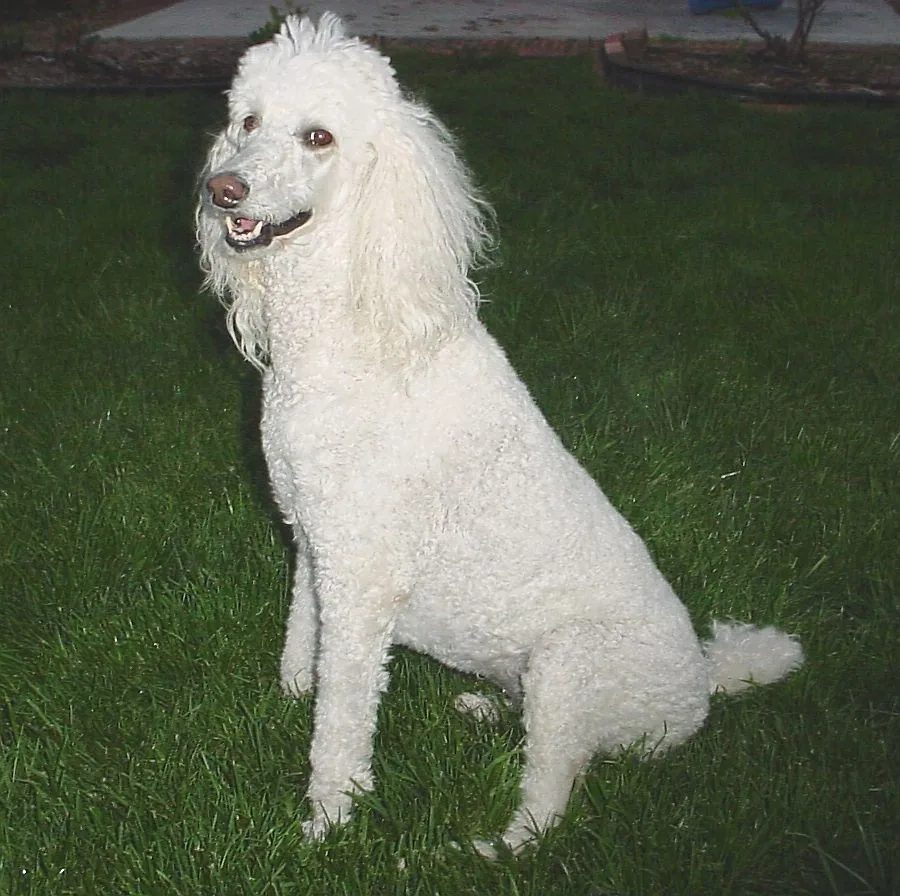
Poodles benefit from functional athletic structure and well-established health-testing culture. Exact risks differ among Standard, Miniature and Toy varieties.
Coat maintenance is significant even when physical health is strong.
12. Miniature Dachshund — why lifespan is not the same as health

Miniature Dachshunds had a 14.0-year median in the study, yet Dachshunds have an important predisposition to intervertebral disc disease.
This is why a “healthiest breeds” article cannot simply sort a lifespan column. Long life and disease burden are different measures.
13. Swedish Vallhund
Swedish Vallhunds are compact herding dogs with strong longevity in the UK data. Evaluate eye and orthopedic health according to current breed recommendations.
14. Finnish Lapphund
Finnish Lapphunds pair a moderate, functional build with good longevity. Coat, exercise and breed-specific eye/genetic issues still belong in the decision.
15. Parson Russell Terrier
Parson Russell Terriers are athletic small working terriers that commonly remain active into later life. Their intensity makes them a lifestyle choice, not simply a health choice.
16. Australian Shepherd
Australian Shepherds showed good longevity but can carry important inherited eye and genetic conditions. A breeder who performs and publishes screening is more important than the breed average alone.
17. Border Collie
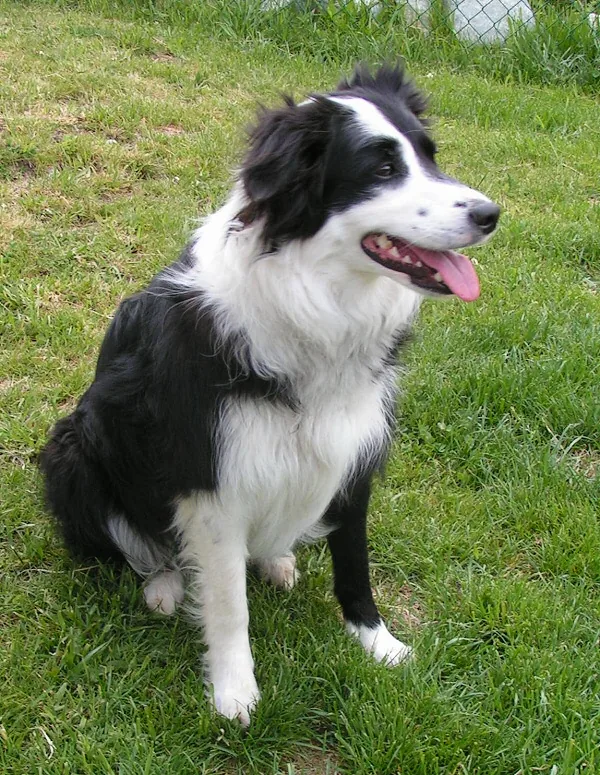
Border Collies are functionally built endurance workers. Population research also illustrates the broader advantage often seen in dogs with functional, non-flat-faced anatomy.
Their extraordinary mental and physical needs still have to fit the household.
What “healthy breed” should actually mean
Use several dimensions together:
- Longevity: how long dogs in the population tend to live.
- Disease burden: whether common inherited disorders cause pain, disability or expensive treatment.
- Functional anatomy: whether the dog can breathe, move and regulate temperature normally.
- Screening availability: whether responsible breeders have established tests and actually perform them.
- Family history: how parents, grandparents and siblings aged and what they died from.
A breed can score well in one dimension and poorly in another.
How to use OFA/CHIC correctly
The Orthopedic Foundation for Animals partners with participating parent clubs through the CHIC program to define breed-specific screening protocols.
A CHIC number means the required tests were completed and results made public; it does not automatically mean every result was normal. Read the actual record.
Why body size and face shape matter
The 2024 research found population-level associations between smaller body size, longer facial structure and longer life. Dogs with very flat faces as a group had shorter longevity.
That does not determine an individual's outcome, but it is a reason to value functional breathing and moderate anatomy rather than exaggerated appearance.
FAQ
What is the healthiest dog breed?
There is no scientifically valid single winner. Lancashire Heelers and Tibetan Spaniels had the highest median life expectancies in a large 2024 UK study, but each still has breed-specific health risks.
Are mixed-breed dogs always healthier?
No. Genetic diversity can be beneficial, but mixed ancestry does not guarantee freedom from inherited or common disease.
Does a CHIC number mean a dog passed every health test?
No. It means the required tests for that breed were completed and results were made public. Read the individual results.
Sources & further reading
- Scientific Reports — Longevity of Companion Dog Breeds
- Dogs Trust — Longevity of UK Dog Breeds
- OFA — CHIC Program
- OFA — Browse by Breed
This article provides general dog-health information and is not a veterinary diagnosis. Contact a veterinarian for advice about an individual dog.