Dachshund: Temperament, Exercise, Back Care & Grooming
Quick facts
| Trait | Typical breed information |
|---|---|
| AKC group | Hound |
| Standard height | 8–9 inches |
| Standard weight | 16–32 pounds |
| Miniature | 11 pounds and under at 12 months and older |
| Life expectancy | 12–16 years |
| Exercise | Moderate |
| Grooming | Depends on smooth, longhaired or wirehaired coat |
| Best fit | People who appreciate a bold small hound and can manage its long-backed structure thoughtfully |
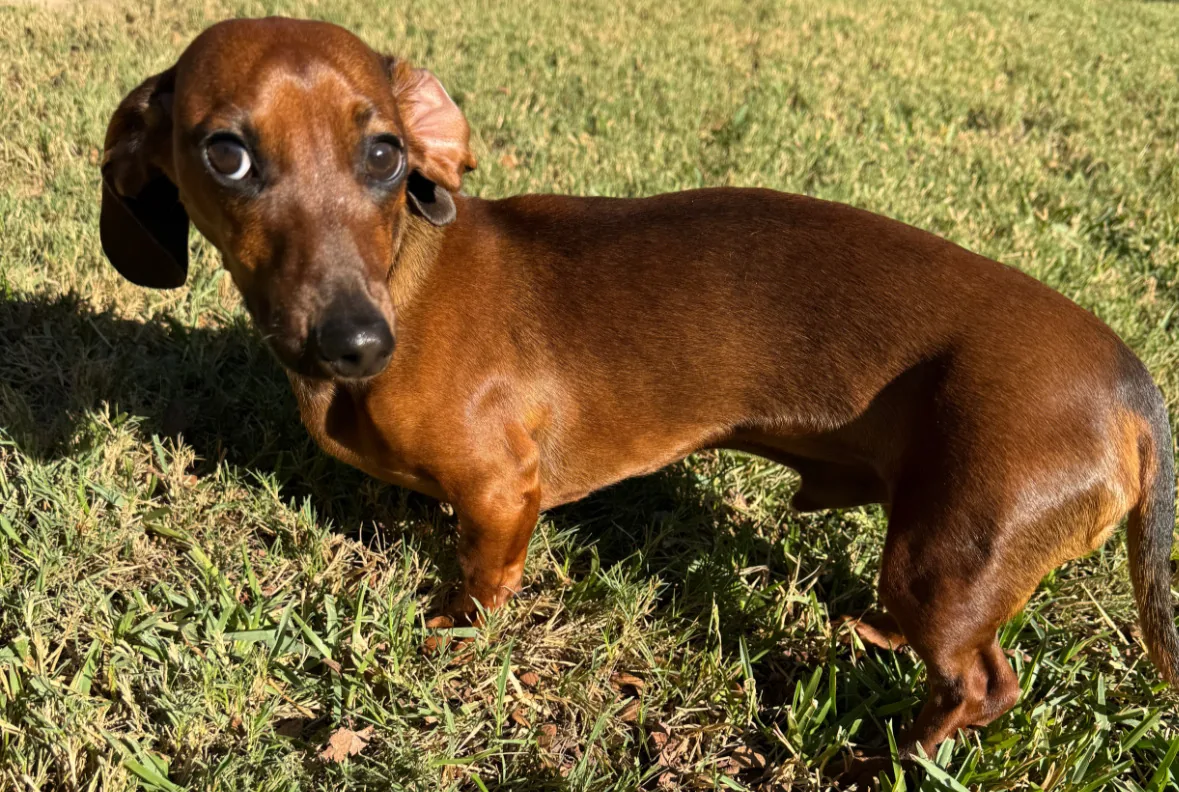
A Dachshund is small in height but not in attitude. The breed was developed for hunting work close to the ground, and many retain persistence, scent interest and a surprisingly assertive personality.
Temperament
Dachshunds can be affectionate with their household while remaining alert and opinionated. Their hunting background can make scent and movement highly interesting, so recall should never be assumed simply because the dog is small.
Training
Keep sessions short and rewarding. Build house-training routines carefully and avoid turning stubbornness into a battle of wills.
Important skills include:
- recall;
- waiting at doors;
- calm handling;
- leash walking;
- quiet/settle behavior;
- safe use of ramps or household management where appropriate.
Exercise
Dachshunds still need daily exercise. Regular walking and play help maintain muscle and body condition. The goal is not to make a long-backed dog sedentary; it is to provide sensible, controlled activity and avoid unnecessary high-impact repetition.
Back and body-condition considerations
The breed's long spine and short legs make body condition especially important. Keep the dog lean, maintain appropriate fitness and discuss individual activity restrictions with a veterinarian, especially after pain, weakness or a previous spinal problem.
Do not rely on internet advice to diagnose sudden back pain or neurological signs.
Coat varieties
Smooth Dachshunds have the simplest coat. Longhaired dogs need more brushing around feathering, while wirehaired dogs need additional coat maintenance.
Household fit
Small size makes the breed physically easier to house than a large dog, but barking, prey interest, house-training and independence can be more important than square footage.
Best for
- people who want a small but active hound;
- households willing to train consistently;
- owners who will manage weight and physical strain thoughtfully.
Think twice if
- you expect a tiny lapdog with no hunting instincts;
- frequent stairs/jumping cannot be managed when needed;
- patient house-training is not acceptable.