How to Choose Dog Food: What Matters More Than Marketing
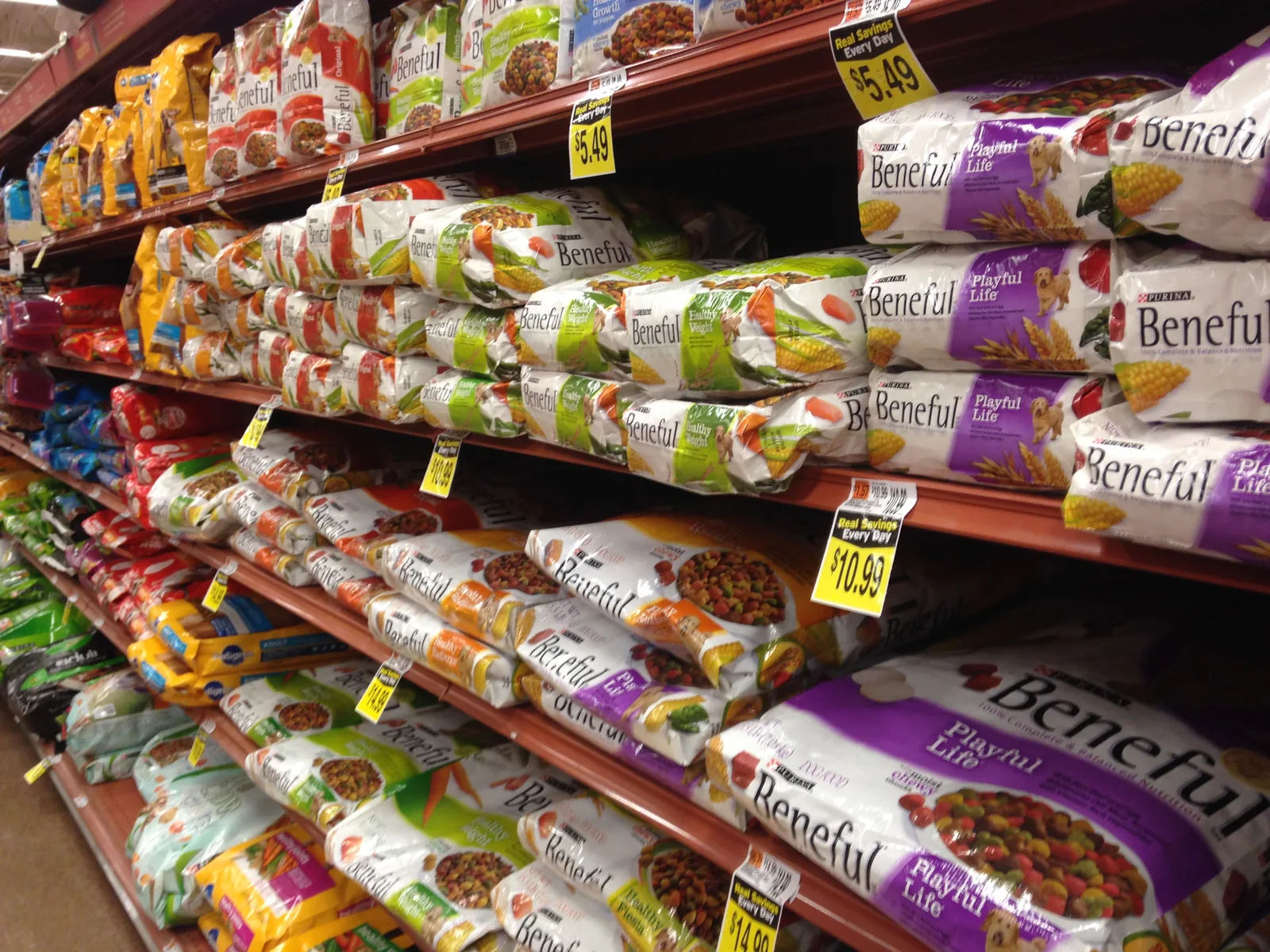
Dog-food packaging is designed to persuade humans.
Words such as:
- premium;
- natural;
- ancestral;
- holistic;
- superfood;
- high-meat;
- human-grade;
can influence buying decisions without answering the most important question:
Is this diet nutritionally appropriate, safe, consistent and suitable for this dog?
WSAVA's nutrition guidance emphasizes evaluating the overall diet and the company behind it rather than judging quality from a fashionable ingredient list alone.
Step 1: choose the right life stage
A puppy, adult and reproducing dog do not have identical nutritional requirements.
Check whether the food is intended for the dog's:
- growth stage;
- adult maintenance;
- reproduction;
- all life stages where appropriate.
Large-breed puppies deserve particular attention because excessive or imbalanced mineral/energy intake can affect skeletal development.
Step 2: look for nutritional adequacy information
In the U.S., pet-food labels commonly include an AAFCO nutritional-adequacy statement.
Read what the statement actually says.
It may indicate the product is:
- formulated to meet nutrient profiles; or
- substantiated by feeding tests;
for a specified life stage.
An adequacy statement is useful, but it is not a complete measure of manufacturer quality.
Step 3: assess the manufacturer, not just the front label
Useful questions include:
- Who formulates the food?
- What are their qualifications?
- Does the company employ or consult appropriately qualified nutrition experts?
- Where is the food manufactured?
- What quality-control procedures are used?
- Is the finished product tested?
- Can the company provide detailed nutrient analysis beyond the label minimums?
- How are recalls and safety issues handled?
- Is there a reachable consumer-contact department?
A company should be able to answer technical questions.
Step 4: stop ranking food by the first five ingredients
Ingredient lists are useful for identifying what is present, but they are difficult to use as a quality score.
Ingredients are listed by weight before processing, and water content affects position.
A meat ingredient may appear first because it contains a lot of water. A dry ingredient may contribute substantial nutrients despite appearing lower.
WSAVA specifically warns that an ingredient list alone can be misleading about overall food quality.
What about "meat meal"?
"Meal" is not automatically low quality.
It is a concentrated processed ingredient with much of the water removed.
The nutrition of the finished diet matters more than whether a marketing photo shows fresh steak.
Grain-free: is it automatically better?
No.
Dogs without a specific medical reason do not universally need grain-free food.
Do not choose or avoid a diet based solely on grain status. Discuss dietary concerns with a veterinarian, especially if the dog has heart disease or a history that raises nutrition questions.
"Human grade"
This term may relate to ingredient/processing regulatory definitions, but it does not automatically mean a food is nutritionally superior for dogs.
A perfectly human-edible meal can still be unbalanced for long-term canine feeding.
Protein percentage is not the whole story
More protein is not automatically better.
Consider:
- calorie density;
- amino-acid balance;
- digestibility;
- medical needs;
- life stage;
- total nutrient profile.
A working dog and a sedentary senior may need different feeding strategies.
Wet vs dry
Both can be appropriate when complete and balanced.
Dry-food advantages
- convenient;
- usually lower cost per calorie;
- easy to portion/store;
- works in many training toys.
Wet-food advantages
- higher water content;
- often palatable;
- useful for some dogs needing softer texture.
Neither format is inherently "cleaner" or healthier.
Fresh/cooked commercial diets
These can be nutritionally appropriate if properly formulated and handled.
Evaluate them with the same questions:
- nutritional adequacy;
- expert formulation;
- quality control;
- calorie density;
- storage;
- cost;
- safety.
"Fresh" is a processing/storage description, not proof of superiority.
Raw diets
Raw diets deserve a separate risk discussion. AVMA and WSAVA caution about pathogens and nutritional issues.
See TopDogSite's dedicated comparison before choosing raw feeding.
Homemade diets
A bowl containing meat, vegetables and rice can look healthy while being deficient or excessive in important nutrients.
For long-term home cooking, use a formulation from a board-certified veterinary nutritionist or equivalent qualified professional.
Do not rely on random social-media recipes.
Your dog is part of the evaluation
Even an expertly formulated food needs to work for the individual dog.
Monitor:
- body condition;
- muscle condition;
- stool;
- appetite;
- skin/coat;
- energy;
- weight trend;
- gastrointestinal signs.
A dog can gain too much weight on a high-quality food if portions exceed calorie needs.
Portion size: start with the label, then adjust
Feeding charts are starting estimates.
Actual calorie needs vary with:
- neuter status;
- activity;
- age;
- climate;
- body composition;
- metabolism.
Use body-condition scoring and regular weighing.
Treat calories matter
Treats, chews and table scraps can quietly become a large part of daily calorie intake.
WSAVA nutritional-assessment tools flag treats/table food above roughly 10% of calories as something that deserves attention.
For many healthy dogs, keep extras modest and preserve most calories for a complete diet.
Food allergies
True food allergy exists, but random diet switching is not a reliable diagnostic method.
If a veterinarian suspects food allergy, a structured elimination diet may be recommended.
Do not choose a rare protein "just in case" and then remove future diagnostic options.
How to change food
For most stable dogs, transition gradually over several days.
WSAVA wellness guidance suggests that a roughly 7–10 day transition can help monitor tolerance.
Some medical situations require a different plan from a veterinarian.
Red flags on pet-food marketing
Be cautious when a company:
- attacks all mainstream nutrition without evidence;
- refuses technical questions;
- uses "detox" language;
- claims one food prevents nearly every disease;
- says veterinary advice is corrupted;
- relies entirely on ingredient-list fear;
- implies nutritional adequacy does not matter.
A practical decision checklist
Before buying, answer:
- Is it appropriate for life stage?
- Is there a clear adequacy statement where relevant?
- Who formulates it?
- Does the manufacturer perform meaningful quality control?
- Can they provide detailed nutrition information?
- Is the calorie density appropriate?
- Can I store/handle it safely?
- Does my dog maintain healthy body and muscle condition on it?
- Is there a medical reason to choose something different?
When to ask a veterinary nutrition specialist
Specialist input is particularly valuable for:
- significant chronic disease;
- complex allergies;
- homemade diets;
- unusual growth needs;
- recurrent pancreatitis;
- multiple diet intolerances;
- performance dogs with unusual energy demands.
Bottom line
The best dog food is not the bag with the most persuasive ingredient story.
Choose food based on:
nutritional adequacy + expertise + quality control + your dog's actual response
and reassess as the dog ages or health changes.
Related TopDogSite guides
Sources & further reading
- https://wsava.org/global-guidelines/global-nutrition-guidelines/
- https://wsava.org/wp-content/uploads/2022/11/WSAVA-Global-Nutrition-Toolkit-English.pdf
- https://wsava.org/wp-content/uploads/2021/04/Selecting-a-pet-food-for-your-pet-updated-2021_WSAVA-Global-Nutrition-Toolkit.pdf
- https://www.aaha.org/resources/life-stage-canine-2019/life-stage-checklist/
This article provides general dog-health information and is not a veterinary diagnosis. Contact a veterinarian for advice about an individual dog.