Why Do Dogs Eat Grass? When It Is Normal & When to Call the Vet
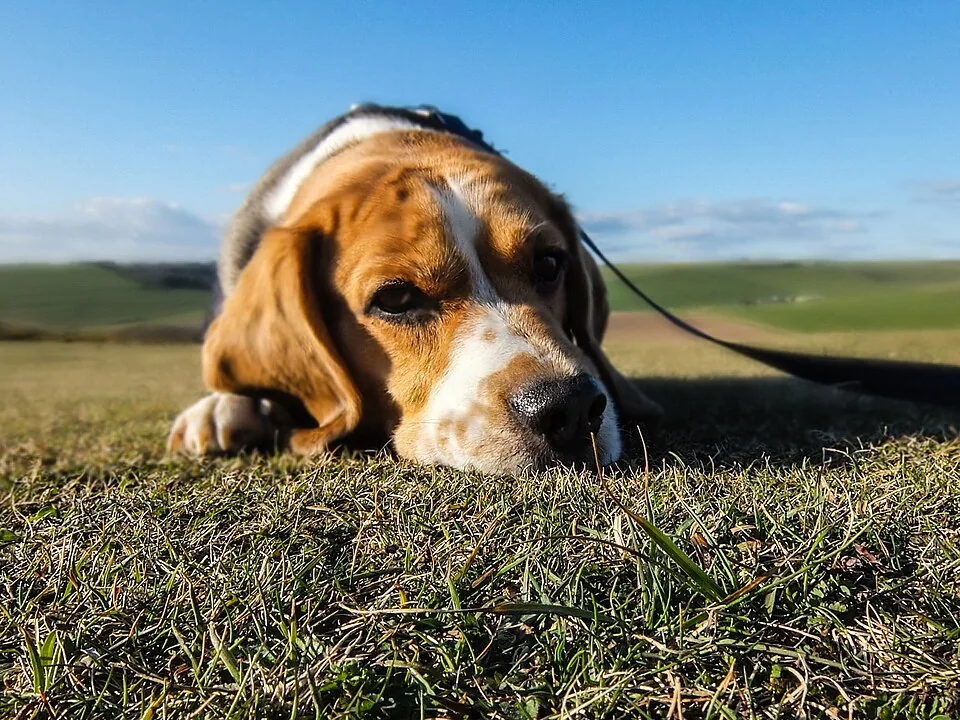
Dogs eating grass is so common that owners often assume one of two things:
- the dog has an upset stomach; or
- the dog is missing a nutrient.
Neither explanation fits every dog.
Many healthy dogs occasionally graze on grass and show no sign of illness. Current veterinary guidance treats grass eating as a common behavior that can have several possible explanations.
Does grass mean a dog is sick?
Not usually by itself.
AKC's current veterinary guidance notes that dogs may eat grass because of:
- instinctive foraging;
- taste or texture;
- boredom;
- dietary/fiber factors;
- gastrointestinal sensations;
- learned habit.
A dog that takes a few mouthfuls on a walk and continues behaving normally is very different from a dog urgently swallowing grass while repeatedly vomiting.
Do dogs eat grass to make themselves vomit?
That popular explanation is too simple.
Veterinary sources cited by AKC note that only a minority of dogs routinely vomit after eating grass, and relatively few show signs of illness before eating it.
Some dogs with nausea may indeed seek grass. But grass eating itself does not prove the dog deliberately chose an emetic.
The useful question is not "Does grass cause vomiting?" It is:
What else is happening with this dog?
When grass eating is probably low concern
Occasional grazing is generally less concerning when the dog:
- has normal appetite;
- has normal energy;
- drinks normally;
- has normal stool;
- is not repeatedly vomiting;
- maintains weight;
- is not urgently eating large quantities;
- is not swallowing foreign material with the grass.
Monitor the overall pattern.
When to contact a veterinarian
Arrange veterinary advice if grass eating is paired with:
- repeated vomiting;
- persistent diarrhea;
- blood in vomit or stool;
- significant lethargy;
- painful abdomen;
- bloating/distension;
- loss of appetite;
- weight loss;
- excessive drooling;
- repeated retching;
- sudden major increase in grass consumption;
- suspected toxin/chemical exposure;
- signs of intestinal obstruction.
A dog with severe distress, collapse, marked abdominal swelling or repeated unproductive retching needs urgent assessment.
Could the dog need more fiber?
Possibly, but do not diagnose a dietary deficiency from grass eating alone.
If the dog is eating a complete and balanced diet and is otherwise healthy, occasional grass eating does not automatically mean the food is inadequate.
Before adding fiber supplements or changing diets, consider:
- current diet;
- stool quality;
- calorie intake;
- treats;
- body condition;
- medical history.
A veterinarian can advise whether fiber is appropriate for a specific dog.
Grass itself is not always the biggest risk
The environment can matter more than the plant.
Pesticides and herbicides
Do not let a dog graze on recently treated lawns or areas where chemical use is unknown.
Parasites and fecal contamination
Grass in high-traffic dog areas may be contaminated by feces and parasites.
Toxic plants
A dog that "eats grass" may also swallow other vegetation.
Learn which plants in your home and garden are toxic.
Foreign objects
Long grass can hide:
- hooks;
- glass;
- sharp plant material;
- trash;
- foxtails/grass awns in relevant regions.
Excessive plant material
Large amounts of indigestible plant matter can irritate the gastrointestinal tract.
Why does my dog eat grass first thing in the morning?
Some owners notice grazing before breakfast.
Possible explanations include:
- opportunity/habit;
- hunger;
- gastrointestinal discomfort;
- bile/nausea in some individuals.
If morning grass eating is accompanied by recurring bile vomiting or repeated nausea, discuss the pattern with a veterinarian rather than assuming the grass is the cause.
What if the dog vomits yellow liquid after eating grass?
Yellow fluid is often bile, but vomiting has many possible causes.
One isolated episode in an otherwise normal dog may not be serious. Recurrent vomiting deserves assessment, especially if it becomes more frequent, the dog loses weight or other symptoms appear.
Should I stop my dog from eating grass?
You do not necessarily need to panic over a few bites of clean, untreated grass.
Intervene when:
- the lawn may be chemically treated;
- the dog is eating obsessively;
- unsafe plants are mixed in;
- vomiting/diarrhea accompanies the behavior;
- there is a risk of grass awns or foreign objects.
A cue such as "leave it" can be useful without punishing the dog.
Could boredom cause grass eating?
Yes, for some dogs.
If grazing seems habitual during under-stimulating periods, add:
- sniff walks;
- food searches;
- training;
- appropriate chewing;
- play;
- environmental enrichment.
But do not use "boredom" to explain away physical symptoms.
A simple observation checklist
If the behavior is new, record:
| Question | What to note |
|---|---|
| Frequency | once/month, daily, every walk? |
| Timing | before meals, after meals, morning? |
| Amount | a few blades or frantic large intake? |
| Vomiting | none, occasional, repeated? |
| Stool | normal, soft, diarrhea, blood? |
| Appetite | normal or reduced? |
| Weight | stable or changing? |
| Lawn | treated with chemicals? |
| Other symptoms | pain, lethargy, drooling, bloating? |
This information is more useful to a veterinarian than simply saying, "My dog eats grass."
Bottom line
Grass eating is common and often benign.
It is not reliable proof of:
- stomach disease;
- nutritional deficiency;
- a deliberate attempt to vomit.
Watch the whole dog. Occasional grazing in a healthy dog is very different from urgent plant eating with repeated gastrointestinal symptoms.
Related TopDogSite guides
Sources & further reading
- https://www.akc.org/expert-advice/advice/why-does-my-dog-eat-grass/
- https://www.akc.org/expert-advice/health/why-does-my-dog-eat-grass/
This article provides general dog-health information and is not a veterinary diagnosis. Contact a veterinarian for advice about an individual dog.