13 Dog Breeds That Can Be Good for First-Time Owners
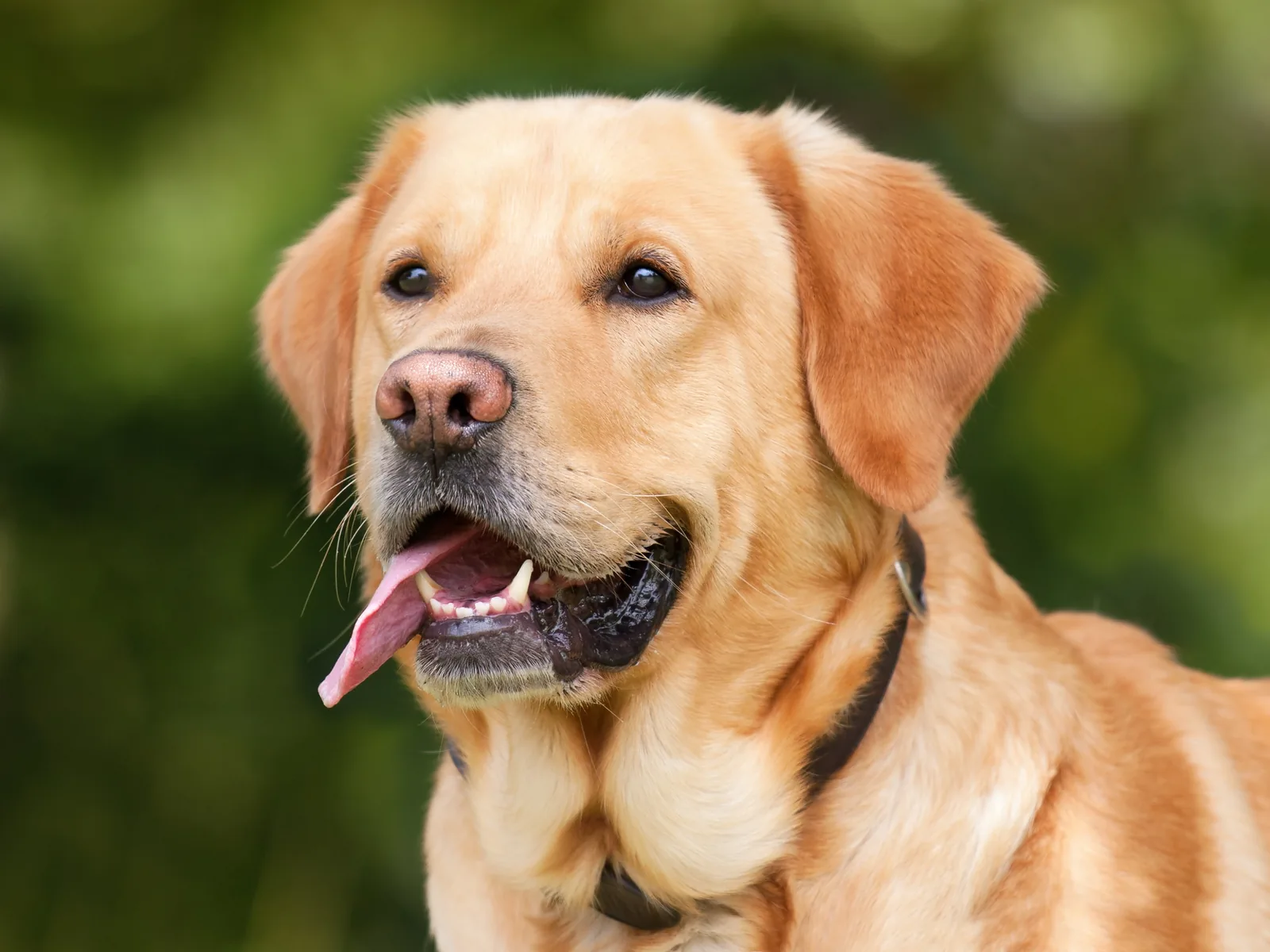
There is no universally “easy” first dog. A good match depends on the owner's schedule, activity level, housing, grooming budget and willingness to train. For many beginners, the best candidates are dogs that are generally sociable, trainable and manageable in the owner's real-life environment.
Thirteen breeds worth researching are the Labrador Retriever, Golden Retriever, Poodle, Cavalier King Charles Spaniel, Papillon, Bichon Frise, Havanese, Shih Tzu, Whippet, English Springer Spaniel, Boxer, Pug and Greyhound.
The list is a starting point, not a guarantee. Individual temperament, breeding, health, early socialization and training matter enormously.
Quick comparison
| Breed | Typical activity | Grooming | Training | Size | Main beginner caveat |
|---|---|---|---|---|---|
| Labrador Retriever | High | Low-moderate | Usually responsive | Large | Adolescent energy |
| Golden Retriever | High | Moderate-high | Usually responsive | Large | Shedding, exercise |
| Poodle | Moderate-high | High | Highly trainable | Multiple sizes | Professional grooming |
| Cavalier King Charles Spaniel | Moderate | Moderate | Companion-oriented | Small | Significant health screening |
| Papillon | Moderate-high | Moderate | Very trainable | Toy | Small, active and clever—not a lap ornament |
| Bichon Frise | Moderate | High | Generally responsive | Small | Coat maintenance |
| Havanese | Moderate | High | Companion-oriented | Small | Coat and alone-time tolerance |
| Shih Tzu | Low-moderate | High | Moderate | Small | Coat, eyes, airway/heat considerations |
| Whippet | Moderate | Low | Moderate | Medium | Chase instinct |
| English Springer Spaniel | High | Moderate | Responsive | Medium | Needs activity and engagement |
| Boxer | High | Low | Moderate-high | Large | Exuberant, strong, heat-sensitive |
| Pug | Low-moderate | Low-moderate | Moderate | Small | Brachycephalic health risk |
| Greyhound | Moderate | Low | Moderate | Large | Prey drive; adoption history varies |
1. Labrador Retriever
Labradors are popular partly because they tend to be social, food-motivated and willing to work with people. Those qualities can make training approachable for a committed beginner.
The catch is energy. A young Labrador can be large, powerful and extremely enthusiastic. Owners should plan for daily exercise, training and management of jumping, chewing and pulling during adolescence.
Good fit: active owner who wants a larger, social dog.
Think twice if: daily exercise and structured training will be difficult.
2. Golden Retriever
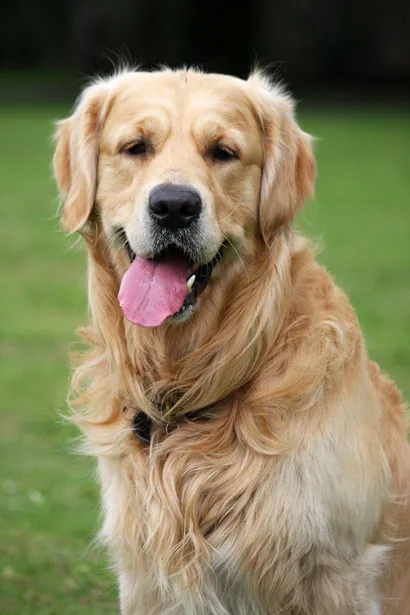
Goldens are often responsive, people-oriented and versatile. They can be forgiving learners, but “beginner friendly” does not mean low-maintenance.
They need exercise, shed heavily and benefit from thoughtful health screening by responsible breeders.
Good fit: households that want an active, trainable companion.
Think twice if: shedding and coat maintenance are deal-breakers.
3. Poodle
Poodles combine high trainability with multiple size varieties. They can suit beginners who enjoy teaching their dog and can meet mental and physical exercise needs.
The major practical cost is grooming. A low-shedding coat is not a no-maintenance coat: clipping, brushing and professional grooming can be substantial.
4. Cavalier King Charles Spaniel
Cavaliers are affectionate companion dogs and can be manageable in smaller homes. Their temperament is often appealing to novice owners.
Health deserves special weight. Prospective owners should investigate breed-specific cardiac and other screening, not choose solely because the breed appears gentle and convenient.
5. Papillon
Papillons are tiny but athletic and intelligent. They can be excellent training partners and are easier to transport and house than a large sporting breed.
Their intelligence also means they need engagement. They are not simply decorative lap dogs.
6. Bichon Frise
Bichons are compact, social companions. They can work well for people who want a smaller dog and are prepared for regular coat care.
House-training consistency and grooming are common beginner challenges.
7. Havanese
Havanese are people-oriented companion dogs and can adapt well to urban life. They tend to value close contact with their household.
Owners who are away for very long periods should think carefully about any companion breed's alone-time needs.
8. Shih Tzu
Shih Tzu were developed as companions and can fit less-athletic households. Their smaller size is convenient, but grooming can be intensive unless the coat is kept short.
Prospective owners should also understand the health implications associated with a short muzzle and prominent eyes.
9. Whippet
Whippets offer an interesting combination: they enjoy running but are often calm in the house after appropriate exercise. Their short coat is simple to maintain.
The main management issue is prey drive. Secure exercise areas and careful recall expectations are important.
10. English Springer Spaniel
Springers can be engaging and trainable for first-time owners who genuinely want an active dog. They tend to thrive on shared activities and training.
They are a poor choice for someone whose definition of “easy” means little exercise.
11. Boxer
Boxers are playful, expressive and people-oriented. A committed beginner can succeed with one, but their strength and exuberance make early manners essential.
They can also be sensitive to heat and may have important breed-specific health concerns.
12. Pug
Pugs are compact companion dogs that generally require less vigorous exercise than sporting breeds. Their humorous, social personality appeals to many beginners.
The trade-off is substantial: flat-faced anatomy can contribute to breathing, heat and eye problems. A small dog is not automatically a low-cost or low-risk dog.
13. Greyhound
Adult Greyhounds—especially well-matched retired racing or rescue dogs—can be surprisingly relaxed indoors. They usually have a simple coat and don't need marathon exercise.
Individual prey drive, prior experience with homes, stairs, cats and small dogs should be assessed carefully through the adoption organization.
What matters more than breed name
Before choosing any dog, ask:
- How many hours will the dog routinely be alone?
- How much exercise can I provide every day, not just on weekends?
- Can I afford grooming if the coat requires it?
- Can I handle the adult size and strength?
- Are there children, cats or other dogs in the home?
- Can I afford veterinary care and insurance/savings for emergencies?
- Am I willing to attend training classes and practice consistently?
Puppy versus adult dog for a beginner
An adult dog with a known temperament can sometimes be easier than a puppy. Puppies require toilet training, bite inhibition work, socialization, frequent supervision and gradual alone-time training. A reputable rescue or breeder should help match the individual dog rather than simply sell the breed.
How to find a responsible source
A responsible breeder should be willing to discuss health screening, temperament, living conditions and the suitability of the match. Avoid marketing that relies on “rare” colors, extreme miniaturization or pressure to pay immediately.
Rescue organizations can also be excellent sources, particularly when foster homes can describe the dog's actual behavior in a household.
Bottom line
For an active first-time owner, Labradors, Golden Retrievers, Poodles and Springers are strong candidates. For smaller-household needs, Bichons, Havanese, Papillons and Shih Tzu may fit better. Whippets and adult Greyhounds can suit people who want a calmer indoor dog but understand sighthound prey drive.
The best first dog is the dog whose daily needs fit the owner's real daily life.
Sources & further reading
A seven-day reality check for 13 Dog Breeds That Can Be Good for First-Time Owners
For one week, record the time, cost and effort the proposed choice would require even before committing. In 13 Dog Breeds That Can Be Good for First-Time Owners, simulate travel time, care appointments, exercise, cleaning, supervision or study as relevant. Note the days when the plan competes with work, sleep or other household responsibilities.
Review the record for bottlenecks rather than aiming for perfection. If one person absorbs every difficult task, identify a real backup. If the week already feels unsustainable, choose a simpler route. The purpose of the 13 Dog Breeds That Can Be Good for First-Time Owners reality check is to expose friction while it is still inexpensive to change course.
Decision record for 13 Dog Breeds That Can Be Good for First-Time Owners
Summarize the choice in four lines: the need, the selected option, the accepted limitation and the review date. For 13 Dog Breeds That Can Be Good for First-Time Owners, include the strongest alternative and the fact that would make it preferable. This prevents a decision from quietly becoming a permanent rule when circumstances change.
At review, compare outcomes with the original need rather than with marketing or expectations. Keep what works, adjust what does not and seek appropriate help when the consequence involves health, safety or serious behavior. A good 13 Dog Breeds That Can Be Good for First-Time Owners decision is not irreversible; it is observable and responsibly maintained.
Related reading
- 7 Quiet Small Dog Breeds for Calmer Homes
- 11 Dog Breeds That Can Be Good With Cats
- 7 Dog Breeds That May Handle Alone Time Better
- 15 Friendly Dog Breeds Known for Social Personalities