Great Pyrenees vs Anatolian Shepherd: Which Livestock Guardian Fits Your Property?
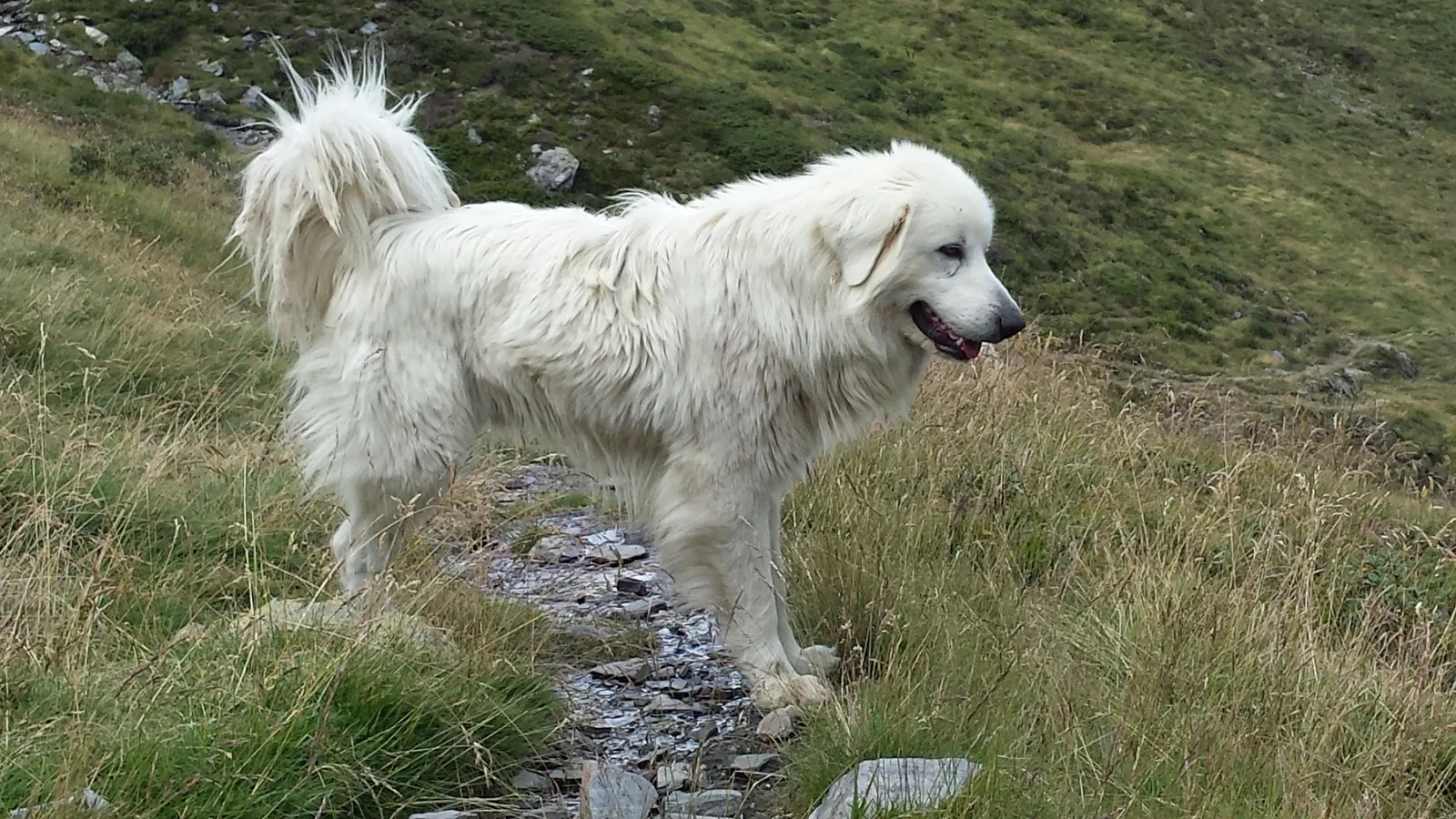
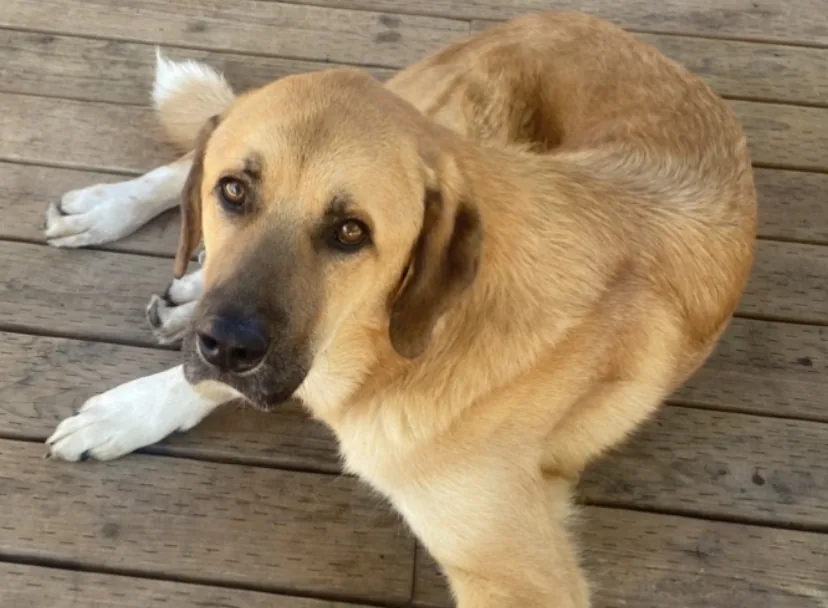
Great Pyrenees and Anatolian Shepherd Dogs are livestock guardian breeds, not oversized versions of obedience-focused herding dogs. Their traditional job required them to assess threats and protect animals with limited human direction. That independence remains one of the most important ownership traits today.
A Great Pyrenees often presents a softer, more visibly mellow household style, although it can be highly territorial and vocal at night. An Anatolian Shepherd is typically a more austere, powerful and highly territorial guardian, making it especially important that the owner understands fencing, visitors and independent decision-making.
Neither is a good choice for someone who wants instant off-leash reliability or constant eagerness to obey.
Quick comparison
| Trait | Great Pyrenees | Anatolian Shepherd Dog |
|---|---|---|
| Traditional role | Flock guardian | Flock guardian |
| Coat | Long, dense, weather-resistant | Shorter to moderately short, dense |
| Independence | High | Very high |
| Territorial tendency | High | High |
| Barking | Often frequent, especially as alert behavior | Can be strongly alert/territorial |
| Grooming | High | Moderate |
| Climate advantage | Strong cold-weather coat | More practical coat in many warmer conditions, but all dogs need heat management |
| Beginner suitability | Low–moderate only with serious preparation | Low |
Livestock guardian behavior is different from herding
A Border Collie controls livestock movement. A livestock guardian lives with animals and deters predators or intruders. That difference explains why these dogs often make decisions without waiting for commands.
Owners who expect retriever-like recall or repeated obedience drills may find the independence frustrating.
Temperament
Great Pyrenees are often described as patient and composed. That can make them appealing as family companions, but owners should not forget what the breed was designed to do: notice activity at a distance and decide whether it matters.
Anatolian Shepherds are also intelligent and patient but can be intensely territorial and serious. They require thoughtful socialization and secure containment.
Barking and nighttime behavior
Livestock guardians traditionally work when predators may be active. Alert barking is not an accidental defect; it can be part of the job.
This matters enormously in suburban neighborhoods. A dog that barks repeatedly at night may create conflict even if the behavior is perfectly logical from the dog's perspective.
Before choosing either breed, evaluate neighbors, property size and local noise expectations.
Fencing
Strong secure fencing is essential.
Do not assume a large guardian will stay home simply because it likes the property. Roaming can create serious safety and legal risks.
Invisible/electronic containment is not an adequate substitute for secure physical fencing for many guardian-dog situations.
Family and visitors
Both breeds can be deeply bonded with their households. Their guarding instincts make visitor management important.
A dog should learn that invited guests are normal and that the owner controls access. Use gates, leashes and designated resting areas rather than forcing the dog to greet everyone.
Grooming
The Great Pyrenees has the heavier grooming burden. The long double coat sheds substantially and requires routine maintenance.
The Anatolian Shepherd's coat is generally easier, though seasonal shedding can still be significant.
Grooming advantage: Anatolian Shepherd.
Which is better with livestock?
Breed alone cannot answer this. Successful livestock guarding depends on:
- genetics;
- early rearing;
- livestock species;
- predator pressure;
- acreage;
- fencing;
- number of guardian dogs;
- owner management.
A dog bred and raised specifically around livestock may be a better working candidate than a pet-line dog of the theoretically “better” breed.
Which is better as a pet?
For a household that is not actually managing livestock, the Great Pyrenees is often the more familiar companion choice. That does not make it easy: barking, shedding, independence and size remain major commitments.
The Anatolian Shepherd is best approached as a serious guardian breed for experienced owners with appropriate space and containment.
Bottom line
Choose a Great Pyrenees if you can accept heavy shedding, barking and independence in exchange for a comparatively mellow guardian style. Consider an Anatolian Shepherd if you have experience with territorial livestock guardians and need a more austere, highly independent working dog. For actual farm work, prioritize proven working genetics and management over online breed rankings.