7 Best Guard Dog Breeds for Personal Protection and Security
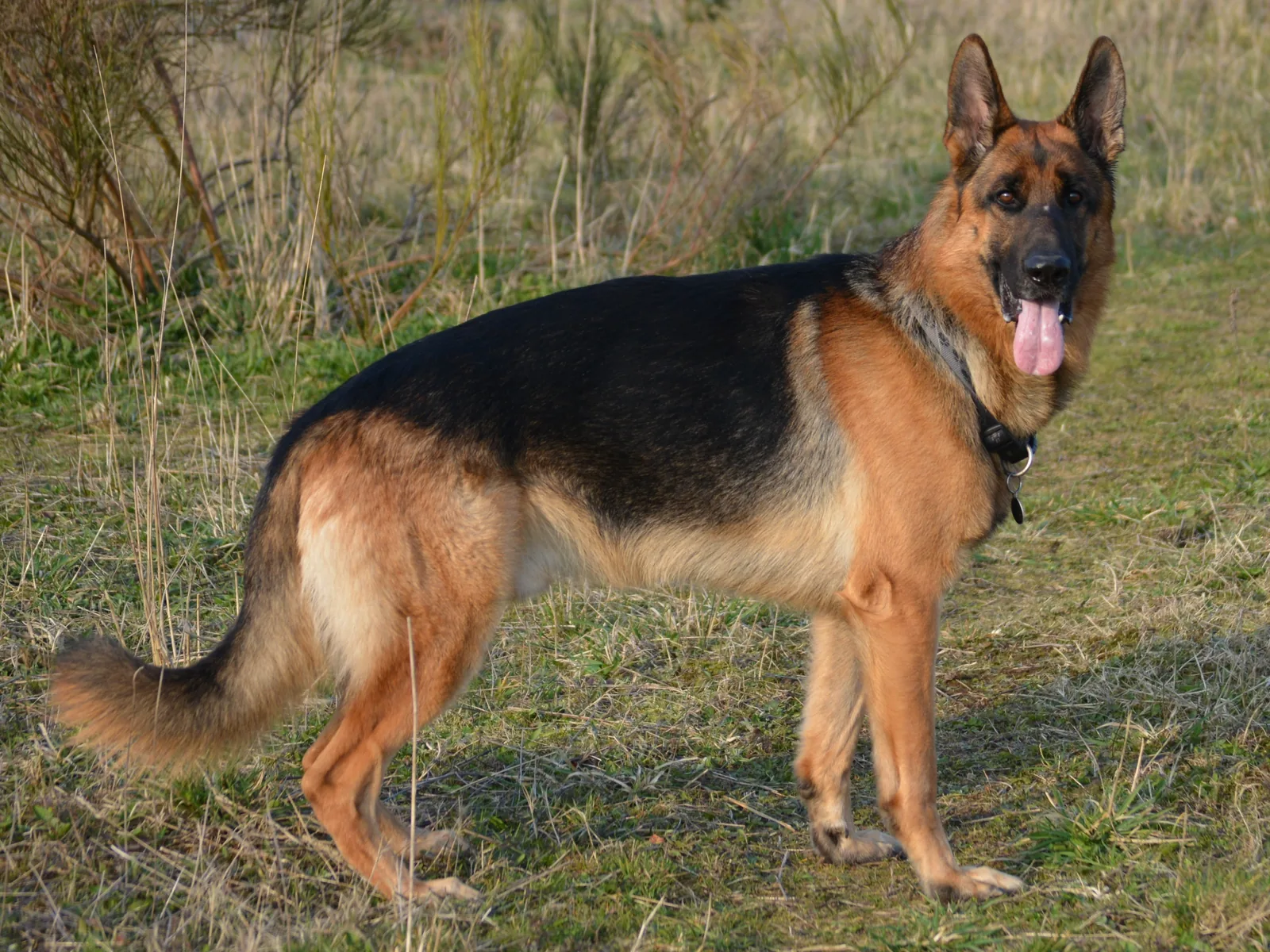
A capable guard dog is not simply a large dog that barks at strangers. The qualities that matter most are stable temperament, trainability, confidence, physical capability and control. For most households, a dog that can recognize something unusual, alert reliably and remain responsive to its handler is safer and more useful than a dog encouraged to react aggressively to anything unfamiliar.
For experienced owners looking at breeds with strong guarding or protection backgrounds, seven worth researching are the German Shepherd Dog, Doberman Pinscher, Rottweiler, Belgian Malinois, Bullmastiff, Cane Corso and Giant Schnauzer. They are not interchangeable. Some demand far more exercise and training than others, and several are poor choices for a first-time dog owner.
At a glance
| Breed | Energy | Trainability | Natural guarding tendency | Beginner fit | Best suited to |
|---|---|---|---|---|---|
| German Shepherd Dog | High | High | High | Low–moderate | Active owners wanting a versatile working companion |
| Doberman Pinscher | High | High | High | Low–moderate | Owners wanting an athletic, close-working guardian |
| Rottweiler | Moderate–high | High with consistent handling | High | Low | Experienced households wanting a powerful, steady guardian |
| Belgian Malinois | Very high | Very high | High | Very low | Serious working/sport homes with substantial daily training time |
| Bullmastiff | Moderate | Moderate | High | Low–moderate | Owners wanting a less frantic but very powerful guardian type |
| Cane Corso | Moderate–high | High with experienced handling | High | Low | Experienced owners prepared for socialization and management |
| Giant Schnauzer | High | High | High | Low | Active experienced owners who enjoy structured training |
These are breed-level tendencies, not guarantees about an individual dog.
Guard dog, watchdog and protection dog are not the same thing
A watchdog primarily notices something unusual and alerts. Small breeds can be excellent watchdogs because size is not necessary for alarm behavior.
A guard dog generally has the size, temperament and natural confidence to deter or confront a threat, but responsible ownership still depends on control and socialization.
A personal-protection dog is a much narrower category. Reliable protection work requires professional selection and training. It should not be confused with encouraging a pet to become suspicious or aggressive.
If you genuinely need a trained protection dog, work with a qualified professional who emphasizes temperament, obedience, control and legal responsibility—not indiscriminate aggression.
Learn how guard dogs, watchdogs and trained protection dogs differ before comparing the breeds below.
1. German Shepherd Dog — the versatile all-rounder
The German Shepherd Dog has a long history as an all-purpose working breed. Its combination of trainability, athleticism, confidence and willingness to work closely with a handler explains its continuing use in police, military, search and service roles.
For a private owner, the GSD's advantage is versatility. A well-bred, well-socialized shepherd can be an alert household guardian while also participating in obedience, scent work, tracking or other dog sports.
Best for: active owners who enjoy daily training and want a dog involved in family life.
Think twice if: you want a low-maintenance dog or have little time for structured exercise, socialization and mental work.
Health screening matters. Prospective owners should investigate hip and elbow evaluation and other tests recommended by the breed's parent club rather than choosing on appearance alone.
2. Doberman Pinscher — athletic and people-oriented
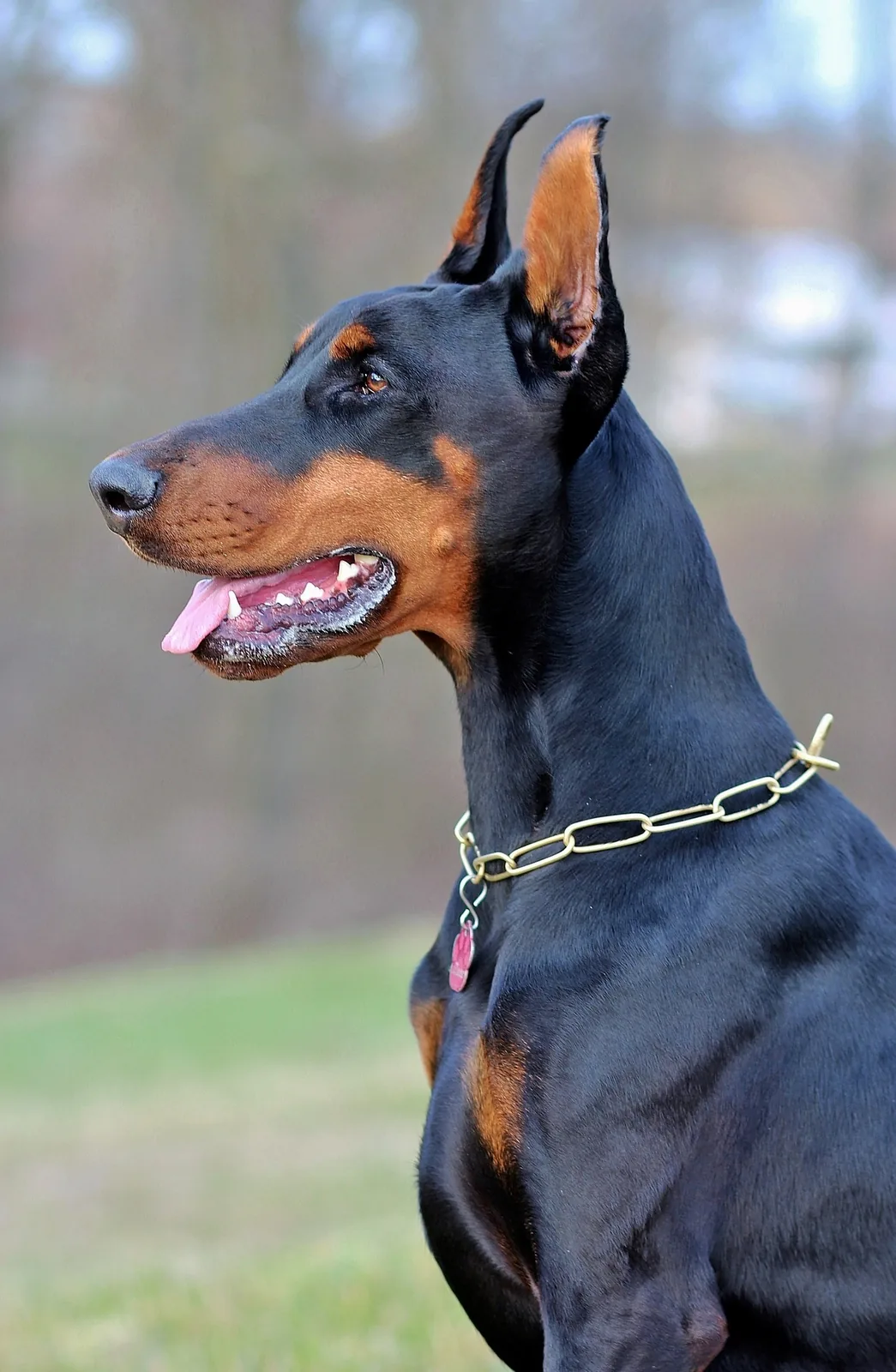
The Doberman was developed specifically as a protective working dog, and modern Dobermans remain known for vigilance, intelligence and close attachment to their people.
Compared with heavier guardian breeds, the Doberman is comparatively athletic and quick. Many are highly responsive to training, but their energy and sensitivity mean they do best with owners who are consistent without relying on harsh handling.
Best for: an active household that wants a close-working guardian and can provide substantial interaction.
Think twice if: the dog will spend long periods isolated from people or you are unwilling to research breed-specific cardiac and other health screening.
3. Rottweiler — powerful, confident and substantial
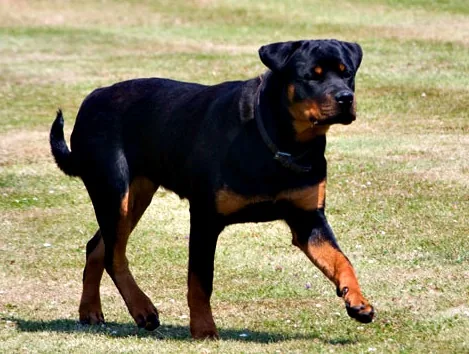
Rottweilers combine physical presence with a working background that includes driving cattle and guarding. A stable Rottweiler should not need to behave chaotically to be imposing.
Their strength raises the cost of training mistakes. Early socialization, reliable manners and controlled exposure to people, dogs and new environments are essential. An owner must be able to manage the dog physically as well as behaviorally.
Best for: experienced owners who appreciate a substantial, confident dog and will train consistently from puppyhood.
Think twice if: you are uncomfortable managing a very strong dog or local housing/insurance rules restrict the breed.
4. Belgian Malinois — exceptional worker, demanding household companion
The Belgian Malinois deserves special caution because online videos can make an elite working dog look universally desirable. The breed is highly trainable and widely used for demanding military and police work, but the same intensity can overwhelm an ordinary household.
A Malinois commonly needs much more than a daily walk. Productive outlets can include advanced obedience, scent work, sport, structured play and other mentally demanding work.
Best for: experienced working-dog or sport homes that genuinely want training to be a major daily activity.
Think twice if: you mainly want a visually impressive family guard dog. There are easier breeds for most homes.
5. Bullmastiff — lower-speed, high-power deterrence
The Bullmastiff was developed to help gamekeepers confront poachers. It offers a different ownership experience from high-drive shepherds and Malinois: generally less frantic, but extremely powerful.
A calmer activity profile does not make a Bullmastiff effortless. Size, strength, socialization, heat tolerance and household manners all matter. A poorly trained giant dog can create serious problems without ever being intentionally aggressive.
Best for: owners wanting a physically imposing guardian type without the relentless working intensity of a Malinois.
Think twice if: you cannot comfortably manage a very large, strong dog or dislike drool and large-dog logistics.
6. Cane Corso — serious guardian for experienced owners
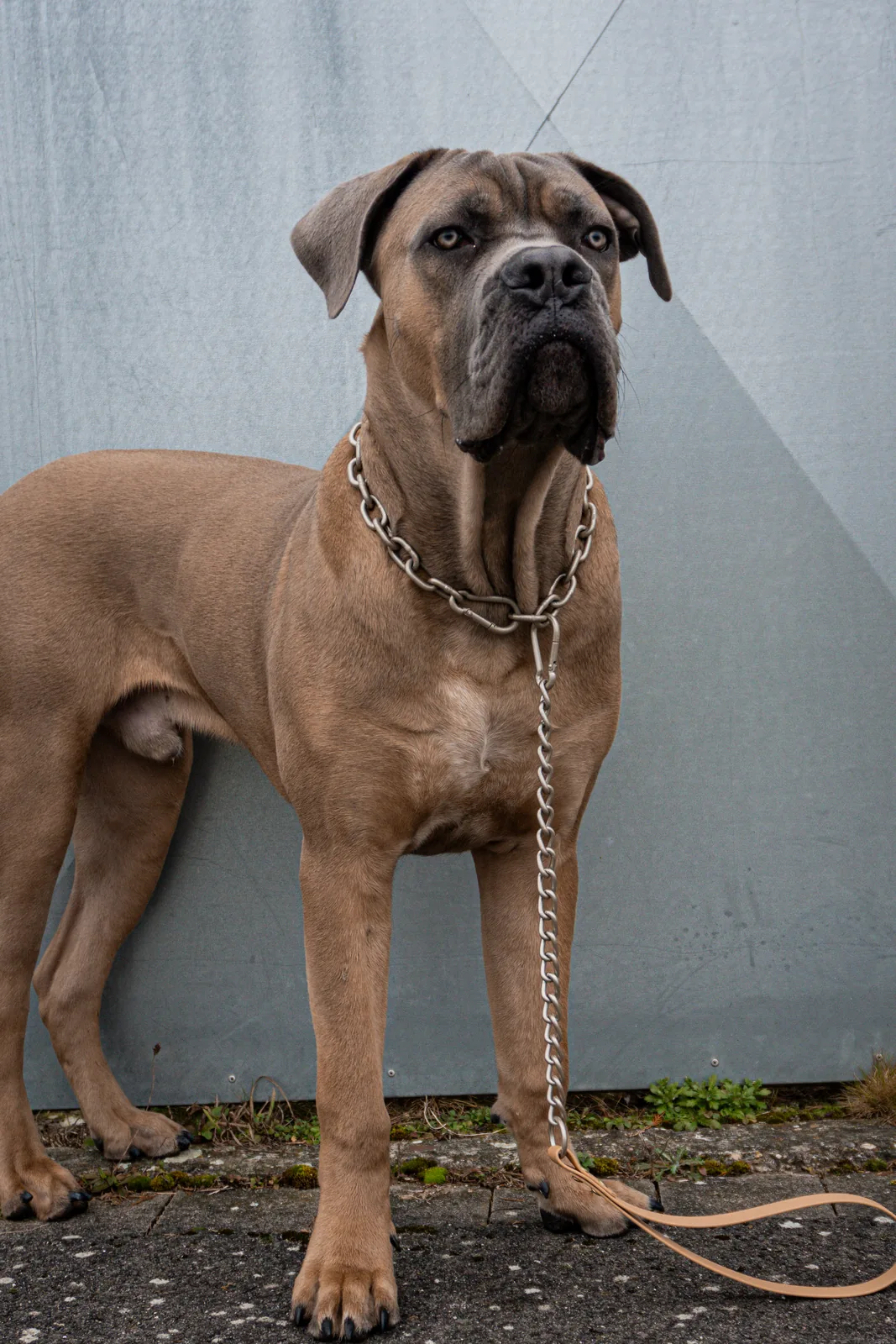
The Cane Corso is a large Italian mastiff-type working dog with strong guarding potential. The breed's confidence and physical strength make early socialization and clear training especially important.
A responsible Corso owner should be prepared to manage visitors, public behavior, adolescence and interactions with other animals thoughtfully. “Protective” should never become an excuse for an out-of-control dog.
Best for: experienced large-breed owners who want an involved guardian and understand management.
Think twice if: this is your first dog or you want a dog that is automatically sociable with everyone.
7. Giant Schnauzer — trainable working guardian with high activity needs
The Giant Schnauzer combines size, intelligence and working drive. It is a strong candidate for owners who enjoy obedience and active training but want an alternative to shepherd-type breeds.
Its coat needs regular maintenance, and its energy level is much closer to “working dog” than “large couch dog.”
Best for: active experienced owners who enjoy training and do not mind coat maintenance.
Think twice if: grooming or sustained daily activity is likely to be neglected.
Which guard dog is best for a family?
There is no universally best family guardian. A household with experienced adult handlers and older children may comfortably manage a dog that would be inappropriate for a first-time owner with toddlers, frequent guests and limited training time.
Before choosing, ask:
- How much structured exercise can we provide every day?
- Will we train beyond basic puppy class?
- Are there children, cats or other dogs in the home?
- How often do unfamiliar people visit?
- Can every responsible adult manage the dog safely?
- Are there landlord, insurer or local legal restrictions?
- Are we choosing a responsible breeder that performs breed-appropriate health testing—or an appropriate rescue that can assess temperament?
What matters more than “aggression”
A useful guardian needs control. Stable dogs that can notice a threat and still respond to their handler are safer than dogs that react indiscriminately. Early socialization should teach a young dog that normal life includes visitors, delivery workers, veterinary handling, other dogs, traffic and unfamiliar environments.
If your aim is personal-protection work, use a reputable professional. Deliberately making a family pet fearful or hostile is not a substitute for real protection training.
Bottom line
For many experienced homes, the German Shepherd Dog and Doberman Pinscher offer the broadest combination of trainability, athleticism and household involvement. A Rottweiler or Cane Corso brings more physical mass and requires very confident management. A Belgian Malinois can be extraordinary in the right working home but is too demanding for many pet households. A Bullmastiff provides imposing guardian presence at a less frantic pace, while the Giant Schnauzer suits owners who want an active, trainable working breed and can manage grooming.
The right choice is the dog you can safely train, exercise, socialize and live with every day—not the breed with the most intimidating reputation.
Sources & further reading
- AKC — German Shepherd
- AKC — Doberman
- AKC — Belgian Malinois
- AKC — Bullmastiff
- AKC — Training Advice
- Orthopedic Foundation for Animals (OFA)
- American Kennel Club
The first-month plan after choosing from 7 Best Guard Dog Breeds for Personal Protection and Security
Keep the first weeks predictable. A dog selected through 7 Best Guard Dog Breeds for Personal Protection and Security needs a quiet sleep area, a consistent toileting and feeding schedule, short reward-based lessons, controlled introductions and enough rest. Delay crowded outings and unrestricted greetings until you understand recovery, handling comfort and responses to the home. Management is not a substitute for training, but it prevents rehearsal of unsafe behavior while learning begins.
Record sleep, appetite, elimination, exercise, triggers and the time needed to settle. Share sudden changes with a veterinarian and emerging behavior risks with an appropriately qualified professional. Revisit the assumptions that led to the 7 Best Guard Dog Breeds for Personal Protection and Security choice after two and four weeks. Adjust the plan to the individual in front of you rather than trying to make the dog match a breed summary.
Related reading
- German Shepherd vs Rottweiler: Which Fits Your Life Better?
- Doberman vs German Shepherd: Which Is Better for You?
- 7 Calm Guard Dog Breeds With a More Composed Style
- Military Working Dog Breeds: The Dogs Behind Detection, Patrol and Search Missions
- 13 Dog Breeds That Can Be Good for First-Time Owners