Guard Dog vs Watchdog vs Protection Dog: What's the Difference?
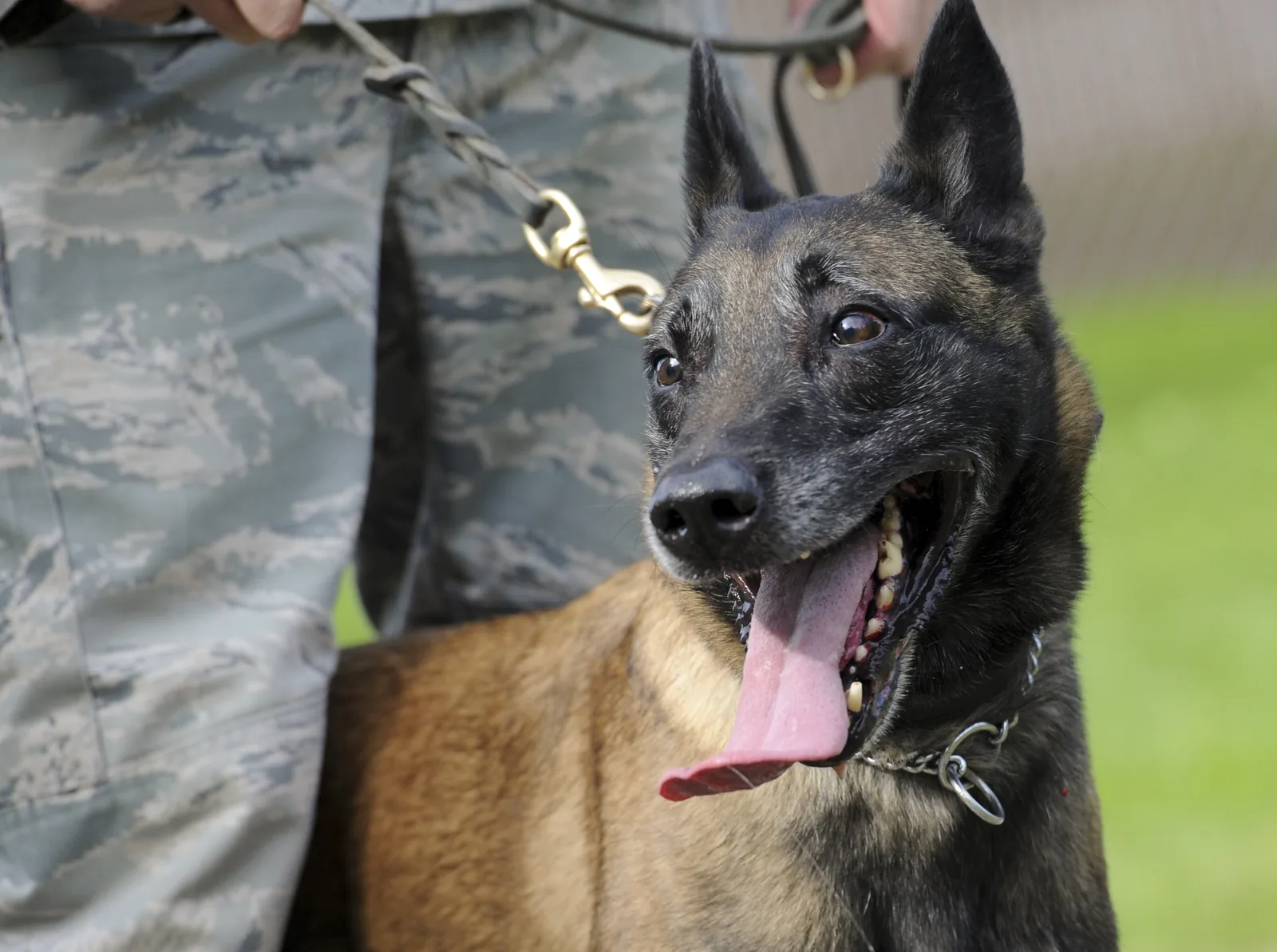
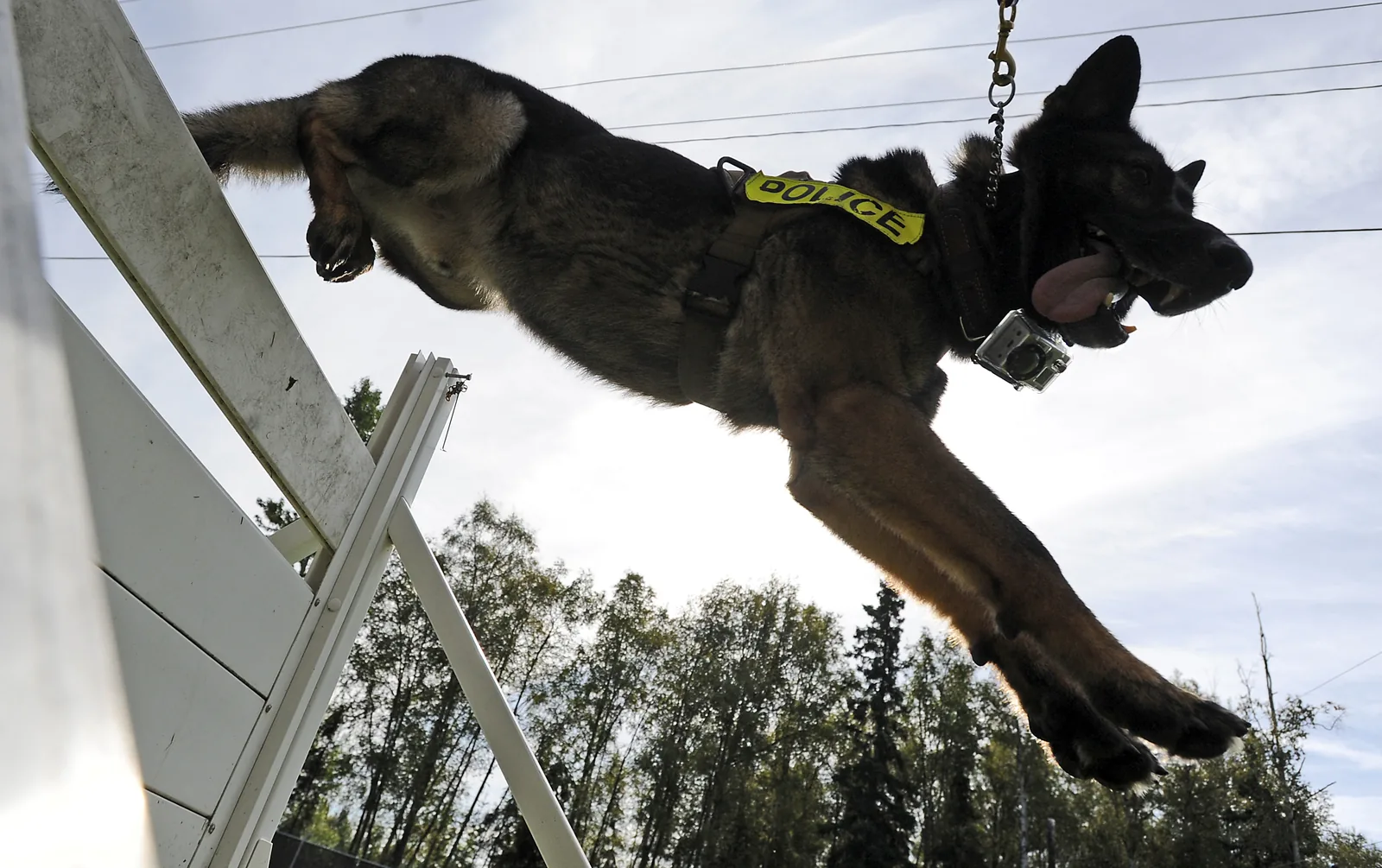
People often use watchdog, guard dog and protection dog as if they mean the same thing. In everyday conversation the terms overlap, but the practical roles are different.
A watchdog primarily alerts. A guard dog is selected or used to deter and protect a territory or property. A personal protection dog is specifically trained to work under a handler's control to protect a person in defined circumstances.
The most important point is that none of these jobs requires a dog to be uncontrolled or indiscriminately aggressive.
At a glance
| Type | Primary purpose | Key behavior | Training level |
|---|---|---|---|
| Watchdog | Alert people to unusual activity | Notice and bark/alert | Can be mostly natural plus household training |
| Guard dog | Deter/protect property or territory | Alert, stand ground, discourage intrusion | Strong obedience and management required |
| Livestock guardian | Protect animals from predators/intruders | Patrol, deter, independently assess threats | Specialized genetics/rearing and management |
| Personal protection dog | Protect a specific handler/person | Controlled response under commands and scenarios | Advanced professional training |
What is a watchdog?
A watchdog's value is awareness. The dog notices a person, sound or unusual event and alerts the household.
Size is not the defining factor. A small alert dog can be an excellent watchdog because the job is to notify people, not physically confront someone.
A useful watchdog should also learn when to stop. Endless barking at routine hallway noise is not automatically good security.
What is a guard dog?
A guard dog provides both alerting and deterrence around a place, property or household. Large size, confidence and natural territorial behavior can contribute to that role.
A good guardian still needs control. The dog must be able to accept ordinary visitors, deliveries, veterinary care and neighborhood activity without making every situation a confrontation.
Breeds frequently associated with guarding include German Shepherd Dogs, Rottweilers, Doberman Pinschers, Cane Corsos and several mastiff or livestock-guardian breeds. Breed alone does not guarantee suitability.
What is a livestock guardian dog?
Livestock guardian dogs deserve their own category because their job is different from personal protection.
Breeds such as Great Pyrenees and Anatolian Shepherd Dogs were developed to live around livestock and deter predators. They are often highly independent because their work historically required decision-making without constant commands.
That independence can make them excellent working guardians and challenging suburban pets.
What is a personal protection dog?
A legitimate personal protection dog is not simply a pet that dislikes strangers.
Protection work involves carefully selected temperament, high obedience, controlled engagement and reliable disengagement. The dog should respond to the handler and remain safe in ordinary life.
Professional protection training is a specialist field. Owners should not try to create defensive aggression through intimidation, teasing or amateur bite work.
What about “attack dogs”?
The phrase is often used sensationally. In responsible professional contexts, the goal is not an uncontrolled dog that attacks people. The goal is a trained working dog whose behavior is governed by task, handler and context.
For household owners, focusing on “attack ability” is a red flag. Stable deterrence, obedience, environmental confidence and safe control are much more important.
Does a family need a protection dog?
Most families do not.
A stable dog that alerts, has a visible presence and is under excellent control may provide all the practical deterrence a household wants. Physical security measures such as locks, lighting, cameras and alarms are also easier to control than animal behavior.
Owning a trained protection dog adds substantial responsibility and may create insurance, legal, housing or management considerations depending on location.
What makes a good guardian temperament?
Useful traits include:
- confidence without panic;
- environmental stability;
- recovery after surprise;
- trainability;
- handler engagement;
- appropriate social behavior;
- ability to settle;
- controlled alertness.
Fearfulness should not be mistaken for protection. A dog that reacts explosively because it is frightened can be less predictable and harder to manage.
Can any breed be a watchdog?
Many breeds and mixed-breed dogs can alert to unusual activity. Some tiny companion dogs are highly effective alarms.
Fewer dogs are appropriate for serious guarding, and fewer still have the temperament and training to perform controlled protection work.
Bottom line
Use the terms according to the job:
- Watchdog: alerts.
- Guard dog: deters/protects territory.
- Livestock guardian: independently protects animals/property from threats.
- Personal protection dog: professionally trained to protect a handler under control.
For an ordinary household, stable temperament and obedience are far more valuable than aggression.
Sources & further reading
Related reading
- 7 Best Guard Dog Breeds for Personal Protection and Security
- 7 Calm Guard Dog Breeds With a More Composed Style
- 7 Loyal Guard Dog Breeds — Strong Bonds Without Romanticizing Aggression
- German Shepherd vs Belgian Malinois: Which Working Dog Fits You?
- Rottweiler vs Cane Corso: Which Guardian Breed Fits You Better?
- Great Pyrenees vs Anatolian Shepherd: Which Livestock Guardian Fits Your Property?