Dog Enrichment Ideas: 25 Ways to Add Sniffing, Problem-Solving & Better Daily Activity
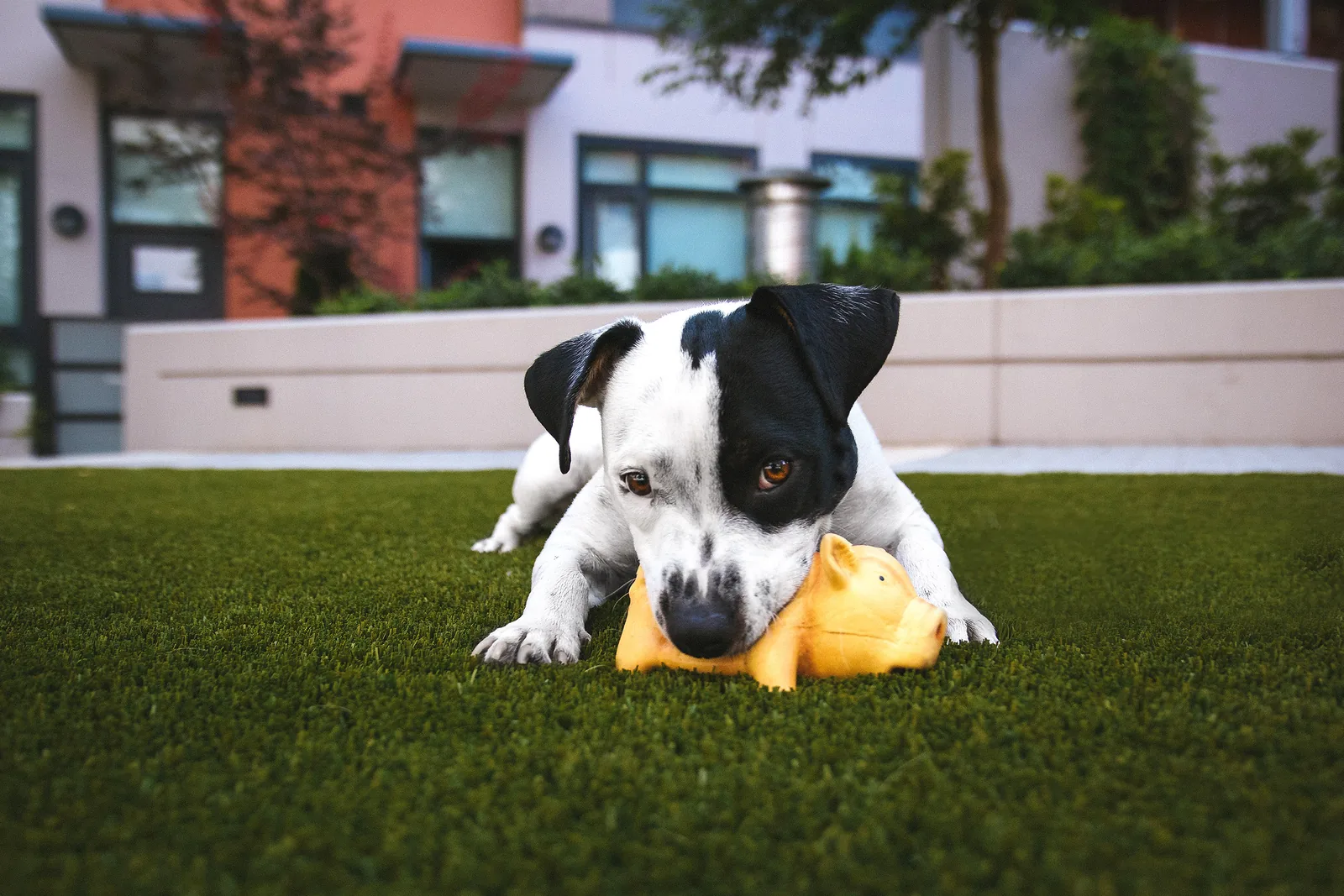
Enrichment is not about buying more toys.
It means giving a dog safe opportunities to use normal behaviors such as:
- sniffing;
- searching;
- chewing;
- licking;
- problem solving;
- training;
- exploring;
- moving;
- choosing;
- social interaction.
The best enrichment fits the dog in front of you.
Why enrichment matters
Physical exercise is only one part of a dog's day.
Mental activity can:
- reduce boredom;
- provide appropriate outlets;
- support training;
- help confidence;
- make ordinary meals more interesting.
It is not a cure for medical disease or serious anxiety, but it can improve daily quality of life.
Safety first
Supervise new activities.
Consider:
- swallowing risk;
- food allergies;
- broken teeth;
- resource guarding;
- slippery floors;
- age;
- orthopedic disease;
- calorie intake.
If the dog destroys and swallows puzzle toys, choose a different form of enrichment.
1. Sniff walk
Let the dog choose a safe route or spend part of the walk sniffing freely.
A slow sniff-heavy walk may be mentally richer than marching the same distance at heel.
2. Scatter feeding
Use part of the dog's normal meal and scatter it across:
- clean grass;
- snuffle mat;
- safe room.
Do not do this where toxic plants, pesticides, foreign objects or unknown dog feces create risk.
3. "Find it"
Start easy:
- show a treat;
- place it nearby;
- say "find it";
- gradually hide it.
Later use several rooms.
4. Cardboard search box
Place kibble or toys in an open cardboard box mixed with crumpled paper.
Only for dogs that do not eat cardboard/paper.
5. Muffin-tin puzzle
Put food in some cups and loosely cover with dog-safe balls.
Supervise.
6. Rolled towel search
Roll pieces of kibble into a towel.
Skip this if the dog tears and swallows fabric.
7. Food-dispensing toy
Use part of the normal ration in an appropriate durable toy.
Count calories.
8. Frozen food toy
A stuffed frozen toy can make food last longer.
Use ingredients appropriate for the dog.
9. Lick mat
Licking can occupy some dogs quietly.
Do not leave silicone mats with dogs that chew and ingest them.
10. Hide a favorite toy
Let the dog search for a known toy around the house.
11. Name toys
Teach the names of two toys, then ask the dog to retrieve a specific one.
This turns play into a discrimination task.
12. Toy rotation
Put most toys away and rotate a few.
Novelty can increase interest without buying anything new.
13. Tug with rules
Tug can include:
- take cue;
- drop cue;
- restart cue.
Keep play appropriate to the dog's physical condition.
14. Retrieve
For dogs that enjoy it, retrieving can combine exercise and cooperation.
Avoid repetitive hard stops on slippery floors.
15. Scent boxes
Place a safe target scent in one of several boxes and reward investigation.
For formal scent work, follow established sport/training protocols.
16. Basic training
Five minutes of:
- sit;
- down;
- place;
- heel;
- recall;
- tricks;
can be enrichment when it is reward-based and engaging.
17. Shape a behavior
Instead of luring every movement, reward small steps toward a goal.
Example: teach a dog to step onto a platform by rewarding interaction with it.
18. Cooperative care
Train:
- chin rest;
- paw handling;
- ear check;
- brushing;
- standing on mat.
This is useful enrichment and practical life skill.
19. New walking route
Novel smells can make an ordinary walk more interesting.
20. Safe natural surface exploration
Let the dog investigate:
- leaves;
- shallow water;
- sand;
- logs;
- gentle slopes;
when physically safe.
21. Dig box
For dogs that love digging, designate:
- sandbox;
- soil area;
- child pool filled with safe digging material.
Hide toys.
22. Shredding box
Some dogs enjoy tearing paper/cardboard.
Only allow this if the dog reliably spits material out rather than swallowing it.
23. Chewing
Provide an appropriate chew matched to the dog's size and chewing style.
No chew is zero-risk. Very hard items can fracture teeth; small pieces can be swallowed.
24. Choice-based walk
At safe junctions, let the dog choose left or right.
Choice itself can be enriching.
25. Rest as enrichment balance
A dog does not need stimulation every minute.
Over-scheduling can create an animal that never learns to settle.
After activity, reinforce calm rest.
Enrichment for puppies
Focus on:
- short training;
- safe surfaces;
- gentle sniffing;
- simple food puzzles;
- socialization;
- rest.
Young joints do not need endless repetitive exercise.
Enrichment for senior dogs
Adjust for:
- vision;
- hearing;
- mobility;
- cognitive change;
- dental condition.
Scent games and simple food searches can remain useful when high-impact exercise becomes difficult.
Enrichment for high-energy dogs
More exercise is not always the whole answer.
Combine:
- endurance;
- sniffing;
- skill training;
- impulse control;
- problem solving;
- rest.
A dog that only learns to run harder can become fitter without becoming easier to live with.
Does enrichment fix behavior problems?
Sometimes boredom contributes to nuisance behavior.
But enrichment alone does not treat:
- separation anxiety;
- severe fear;
- aggression;
- pain;
- compulsive behavior;
- medical causes of restlessness.
Use it as part of a larger plan.
How to know whether enrichment is working
Good signs:
- dog chooses to engage;
- can disengage;
- remains physically comfortable;
- settles afterward;
- no guarding/ingestion problems.
Stop or modify activities that cause frustration, conflict or unsafe behavior.
Bottom line
The best enrichment is not the most expensive.
Use the dog's food, nose, brain, environment and relationship with you.
Build a week with varied opportunities—and enough rest to enjoy them.
Related TopDogSite guides
Sources & further reading
- https://www.akc.org/expert-advice/training/fun-cognitive-training-games-for-dogs/
- https://www.akc.org/expert-advice/lifestyle/how-to-make-your-dog-happy/
- https://www.akc.org/expert-advice/training/training-tips-for-all-dogs/
- https://www.aaha.org/resources/life-stage-canine-2019/life-stage-checklist/