13 Dog Breeds Better Suited to Warm Weather — and the Limits of Heat Tolerance
Some dogs are physically better equipped for warm climates than others, but there is no heat-proof dog. Coat type, muzzle length, body size, body condition, age, health, humidity, direct sun and exercise intensity all affect how safely a dog can handle heat.
Short-coated or hairless breeds from warmer regions often have an advantage over heavy northern breeds. Even so, a fit dog can get heat illness if it works hard enough in hot or humid weather. The goal is not to find a breed that can ignore heat; it is to choose a dog whose normal physiology and activity level fit the climate, then manage the weather responsibly.
At a glance
| Breed | Why it can suit warmer weather | Main caution |
|---|---|---|
| Chihuahua | Small body and short-coated varieties | Small dogs can still overheat quickly |
| Basenji | Short coat; African origins | High prey drive and independence |
| Xoloitzcuintli | Hairless/coated varieties; warm-climate heritage | Sun and skin protection for hairless dogs |
| Chinese Crested | Hairless option and small size | Sunburn and skin care |
| Dalmatian | Short coat and athletic build | High exercise needs |
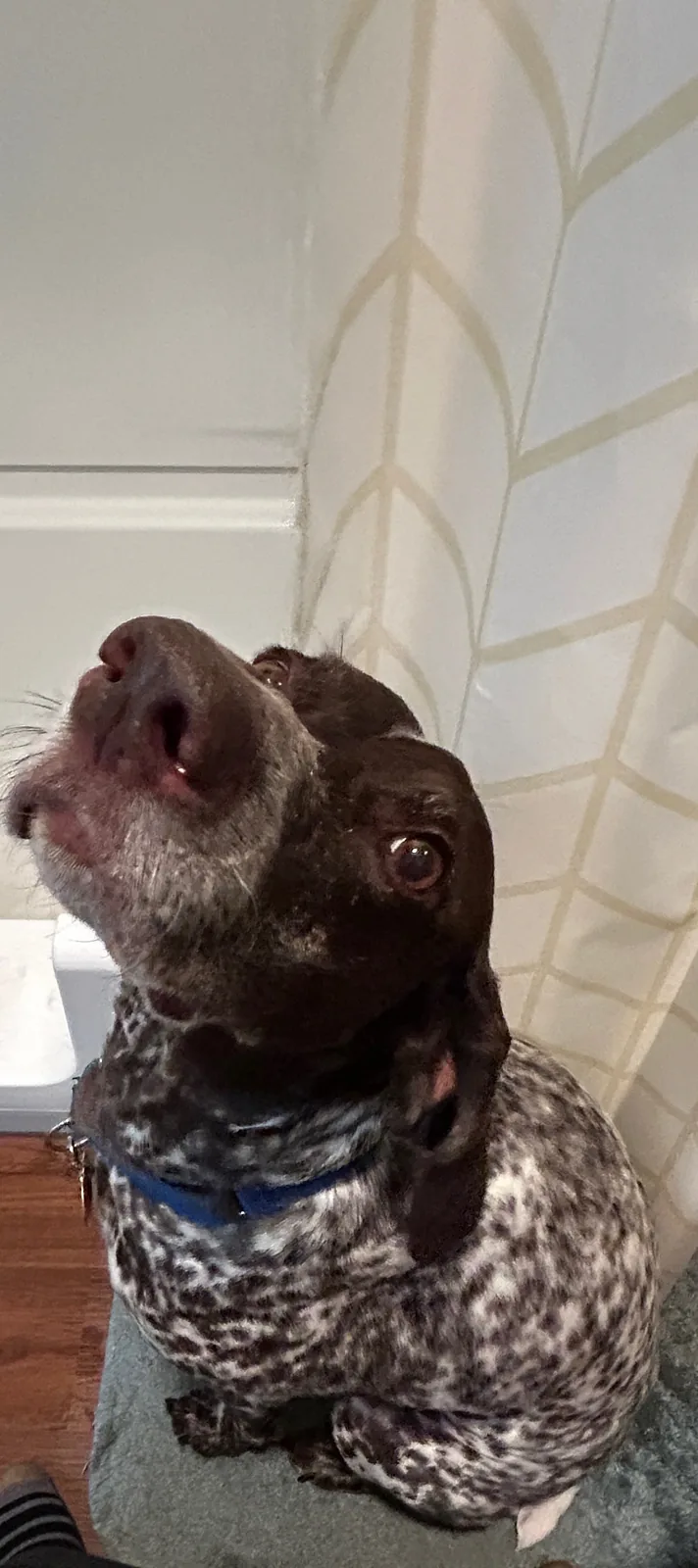
| German Shorthaired Pointer | Short coat and athletic field heritage | Drive can push the dog beyond safe heat limits |
| Greyhound | Short coat and lean build | Not designed for prolonged hard exertion in heat |
| Whippet | Short coat, lean build, compact size | Limited cold protection; still heat-sensitive under exertion |
| Ibizan Hound | Lean, short-coated Mediterranean hound | Prey drive and secure containment |
| Pharaoh Hound | Lean, short-coated Mediterranean-type hound | Exercise timing in extreme heat |
| Italian Greyhound | Very short coat and small body | Fragility and sun exposure |
| Great Dane | Short coat | Large body can still accumulate heat quickly |
| Australian Cattle Dog | Functional working build and short outer coat | Intensity and double-coat management |
1. Chihuahua
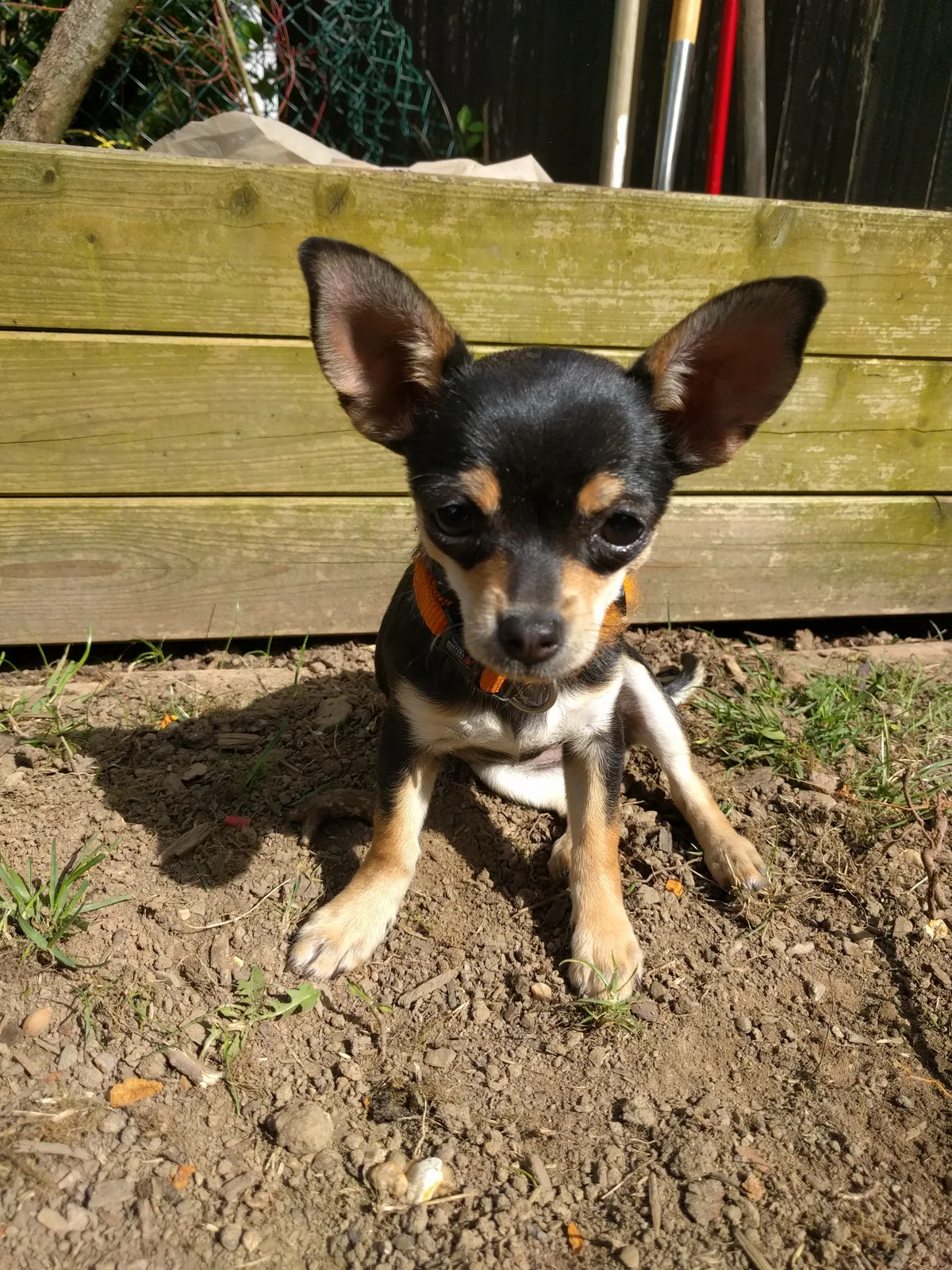
The Chihuahua's small size and the availability of short-coated dogs can make the breed easier to manage in a warm climate than a large, heavily coated northern dog. Small size also means less total heat production during moderate activity.
Do not translate that into permission to leave a Chihuahua outside in extreme temperatures. Small dogs can dehydrate and overheat quickly, and hot pavement is especially relevant because the dog's body is close to the ground.
Best for: warm-climate companion homes wanting a small dog.
Watch-outs: heat exposure in parked cars, hot pavement, fragile body size and dental care.
2. Basenji
The Basenji developed in central Africa and has a short, fine coat. That heritage and coat type can make warm conditions more natural for the breed than for cold-adapted spitz dogs.
Basenjis are athletic and independent. A warm-weather-friendly coat does not eliminate the need for controlled exercise, shade and water. Their hunting history also makes secure containment important.
3. Xoloitzcuintli
The Xoloitzcuintli comes in hairless and coated varieties. Hairlessness eliminates the insulating burden of a dense coat, but it creates another issue: exposed skin can burn.
Owners of hairless dogs should manage sun exposure rather than assuming bare skin means unlimited heat tolerance. Ask a veterinarian about appropriate skin protection rather than applying random human sunscreens.
4. Chinese Crested
The Chinese Crested is another small breed with a hairless variety. It can fit warm indoor/outdoor lifestyles well, but skin exposure, shade and hydration remain important.
Small companion dogs often need less strenuous daily exercise than sporting breeds, which can also reduce total heat load during routine activity.
5. Dalmatian
Dalmatians are short-coated, athletic dogs with a history of endurance work. A healthy, conditioned adult can be a good active companion in moderate warmth when exercise is timed sensibly.
This is a high-energy breed. Avoid using the dog's willingness to keep running as proof that conditions are safe.
6. German Shorthaired Pointer
The German Shorthaired Pointer's short coat and athletic field background can make the breed a strong match for active owners in relatively warm climates. GSPs are also exactly the type of dog that may continue working enthusiastically while body temperature climbs.
Plan strenuous activity for cooler morning/evening hours, carry water and reduce intensity when humidity is high. A GSP's drive is not a thermostat.
For everyday ownership needs beyond heat tolerance, see our German Shorthaired Pointer temperament and exercise guide.
7. Greyhound
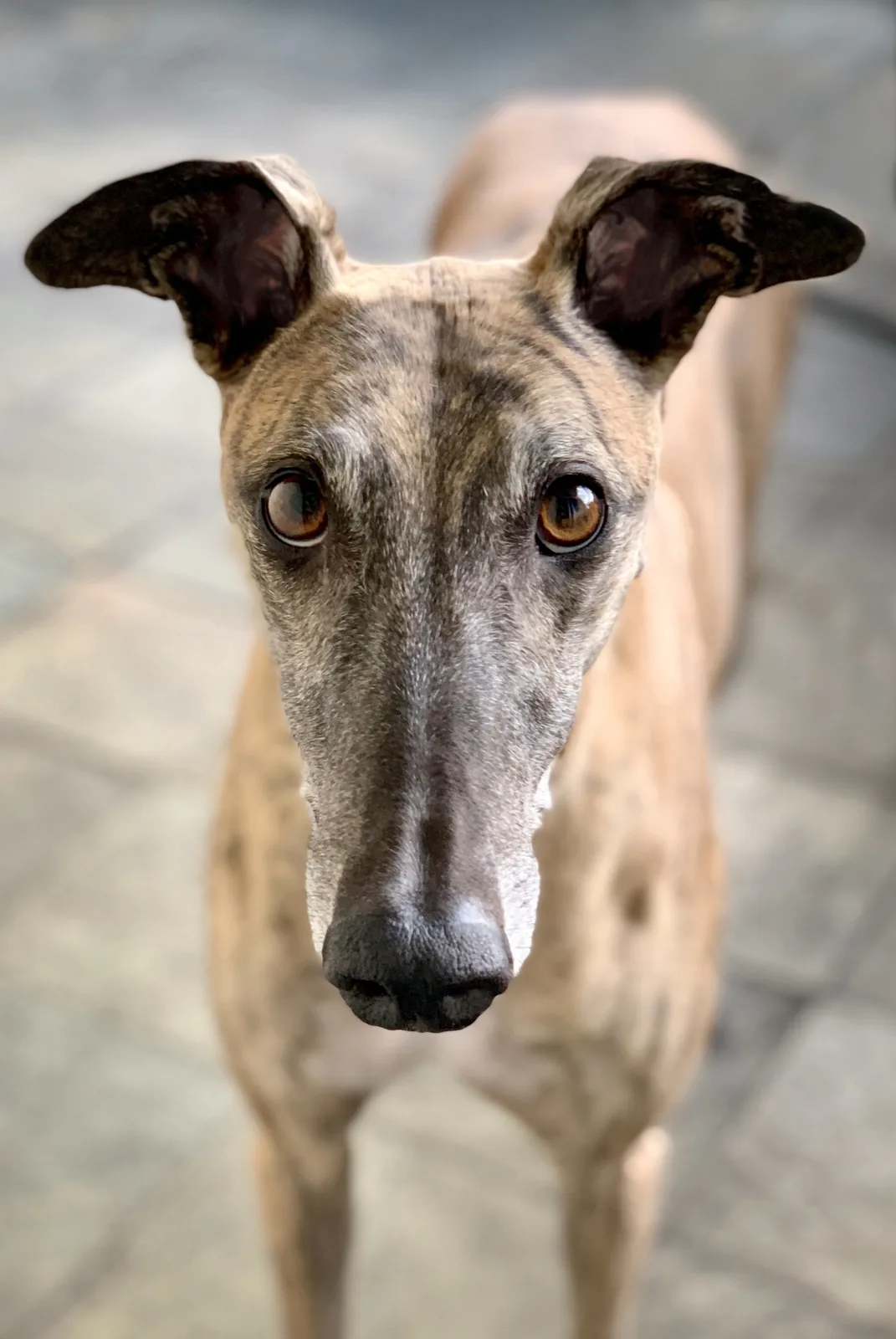
Greyhounds have a very short coat and lean body. They are often more comfortable in warmth than heavily coated northern breeds, but sprinting generates heat rapidly.
Their athletic appearance can also mislead people into thinking they need hours of hard running. Many adult Greyhounds are content with regular walks and opportunities for safe, brief running.
8. Whippet
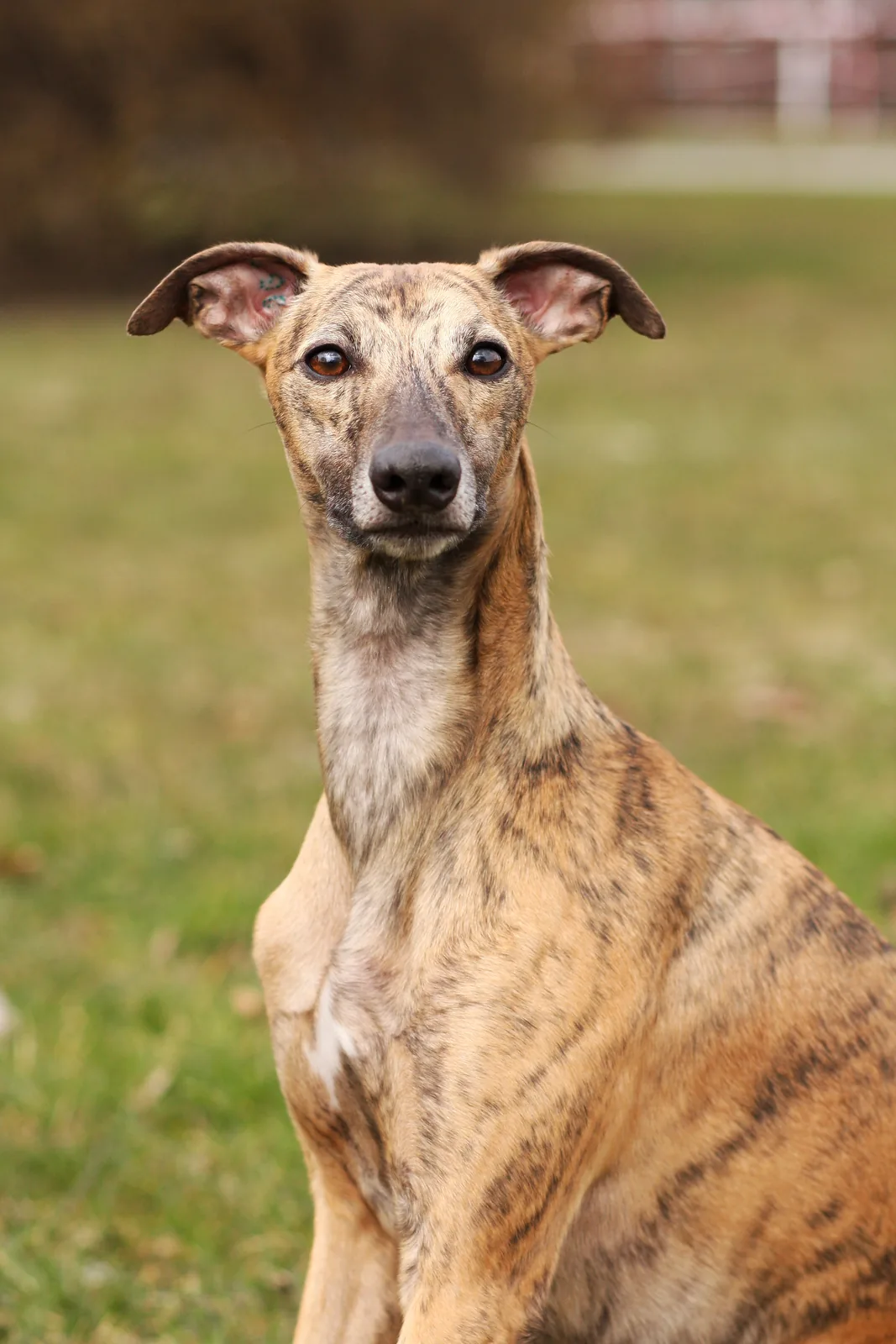
Whippets share the short coat and lean build of other sighthounds in a smaller package. They can be comfortable in warm weather, but any high-speed activity should be brief and appropriate for the conditions.
The flip side is limited insulation in cold weather.
9. Ibizan Hound
The Ibizan Hound is a lean Mediterranean hound with a coat and body type that make sense in warmer environments. The breed can be athletic and agile, but prey drive and jumping ability make secure areas important.
10. Pharaoh Hound
The Pharaoh Hound's fine coat and lean build are compatible with warm climates. As with other sighthounds, the dog still needs shade, hydration and sensible timing for hard activity.
11. Italian Greyhound
Italian Greyhounds have extremely fine coats and little insulation. Warm weather can be much easier for them than cold weather, but their small size and exposed skin still require management in extreme sun and heat.
12. Great Dane
Great Danes have short coats, but size matters: a giant dog's large muscle mass can produce and retain substantial heat during exercise. They are not endurance athletes and should not be pushed through strenuous midday activity simply because their coat is short.
13. Australian Cattle Dog
Australian Cattle Dogs were developed for demanding outdoor work and have a functional, weather-resistant coat. Many cope well with a broad range of conditions when acclimated and fit.
They are also intense workers. As with GSPs, the dog's willingness to continue is not proof that the temperature is safe.
What matters more than breed on a very hot day
Muzzle shape
Short-faced dogs generally have less respiratory reserve for cooling through panting. French Bulldogs, Bulldogs, Pugs and other brachycephalic dogs deserve extra caution in heat.
Body condition
Excess weight makes movement more costly and can impair cooling. Keeping a dog lean is one of the most useful everyday heat-safety measures.
Humidity
Panting depends on evaporation. High humidity can make the same air temperature more dangerous.
Acclimation
A dog that has gradually adapted to warm conditions may handle them better than a dog suddenly exposed to heat. Acclimation does not make extreme conditions safe.
Activity intensity
A calm shaded walk and a full-speed fetch session can produce very different internal heat loads at the same air temperature.
Signs of overheating that require action
Stop activity and move the dog toward a cooler environment if you see excessive or abnormal panting, slowing, seeking shade, drooling, weakness, poor coordination or distress.
Collapse, altered consciousness, severe weakness, repeated vomiting or other signs of heatstroke are veterinary emergencies.
Hot-pavement rule
Do not rely on air temperature alone. Asphalt, concrete and artificial surfaces can become much hotter in direct sun. Choose shade/grass where practical and avoid the hottest part of the day.
Should you shave a double-coated dog in summer?
Do not automatically shave a normal double coat to “cool the dog down.” Double coats have functional insulating and protective properties. Regular grooming to remove loose undercoat is different from shaving the coat short.
Medical matting or skin issues are separate situations; follow veterinary/professional grooming advice.
FAQ
What dog breed is best for very hot climates?
There is no single best breed. Current AKC warm-weather guidance highlights breeds such as the Chihuahua, Basenji and Xoloitzcuintli as particularly well suited by coat type and/or origin, while still emphasizing individual factors and heat safety.
Are short-haired dogs always better in heat?
No. Muzzle shape, body size, obesity, health and activity can matter as much as coat length.
Can a GSP run in hot weather?
A mature, conditioned GSP can be a strong running partner, but hard exercise should be reduced or rescheduled when heat/humidity make cooling difficult.
Is air conditioning necessary for every warm-climate dog?
The safe indoor environment depends on the individual dog and local climate. In very hot regions, reliable cooling can become an important safety measure, especially for brachycephalic, elderly or medically affected dogs.
Sources & further reading
- AKC — Best Dog Breeds for Hot Weather
- AKC — Overheating in Dogs
- AKC — How Long Can Dogs Be Outside?
- AKC — Double-Coated Dog Breeds
- AKC — German Shorthaired Pointer