7 Guard Dog Breeds for Home Security: Deterrence, Alertness & Responsible Ownership
A dog can alert you to activity, create visible deterrent presence and make a household feel less isolated. What a dog cannot do is guarantee that a burglary or violent encounter will be prevented.
For home security, the safest approach is layered: sound doors and locks, exterior lighting, cameras or alarms where appropriate, sensible routines, and—if the household genuinely wants the lifestyle—a stable dog whose size, confidence and alertness fit the home.
The breeds below have established guarding or protection histories. None should be trained to attack strangers by an inexperienced owner.
At a glance
| Breed | Presence | Trainability | Owner difficulty | Main strength |
|---|---|---|---|---|
| German Shepherd Dog | High | High | Moderate-high | Versatility and control |
| Doberman Pinscher | High | High | High | Athletic, close-working alertness |
| Rottweiler | Very high | High | High | Powerful deterrent presence |
| Cane Corso | Very high | Moderate-high | Very high | Serious natural guarding |
| Belgian Malinois | High | Very high | Extreme | Exceptional working ability |
| Boxer | Moderate-high | High | Moderate | Alert family companion |
| Giant Schnauzer | High | High | High | Territorial working dog |
1. German Shepherd Dog — versatile and highly trainable
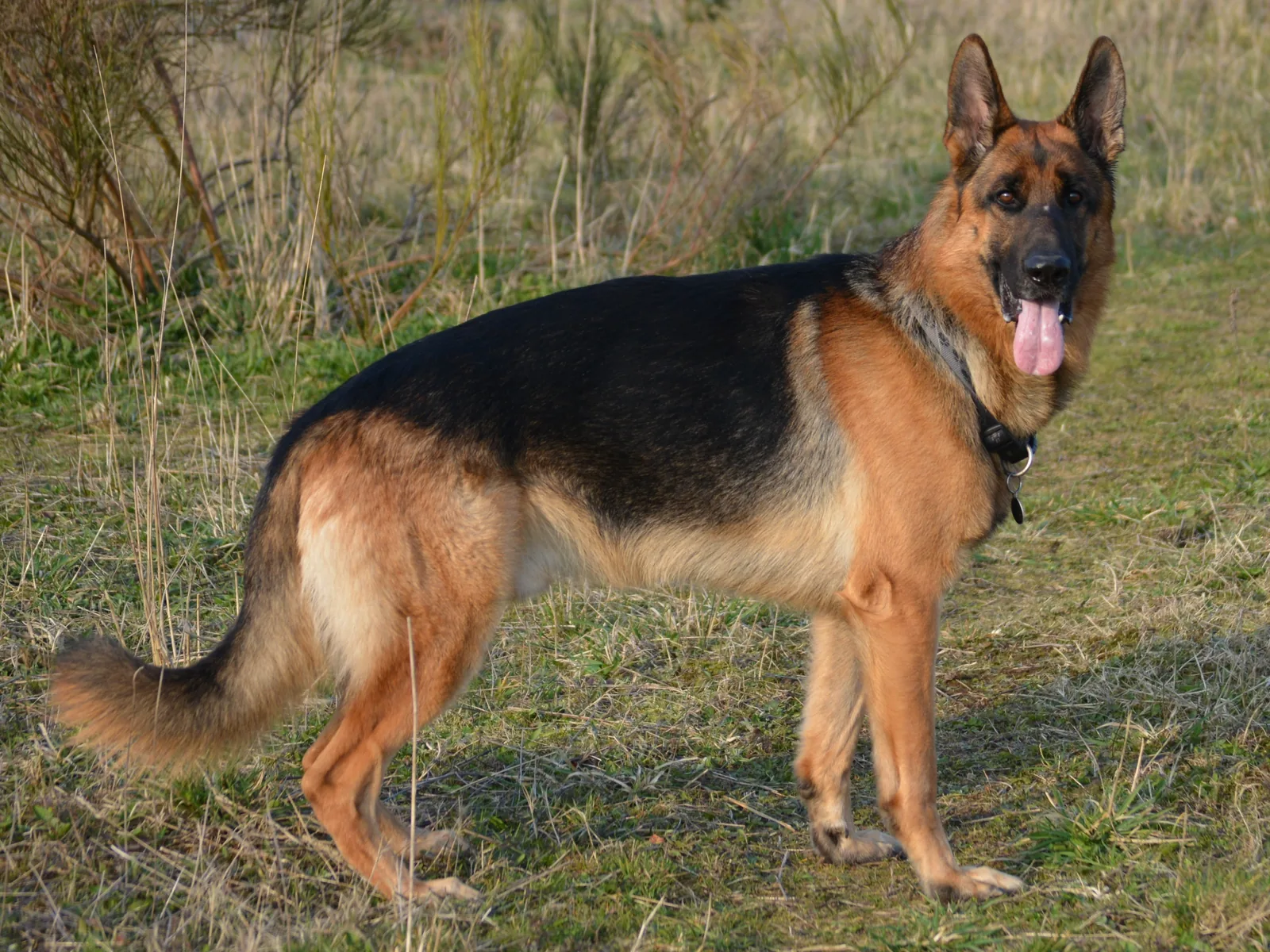
German Shepherd Dogs combine physical presence with a long history of service and working roles. A well-bred, stable GSD can be watchful without treating every visitor as a threat, and the breed's training potential makes control more realistic than simply relying on size.
The important phrase is well-bred and stable. Fearful or poorly socialized dogs can react to ordinary neighbors, delivery workers and guests. Start with neutral socialization, leash control, place/settle behavior and a reliable recall.
A German Shepherd should not be purchased merely because the owner wants an intimidating image.
2. Doberman Pinscher — athletic deterrence and handler focus
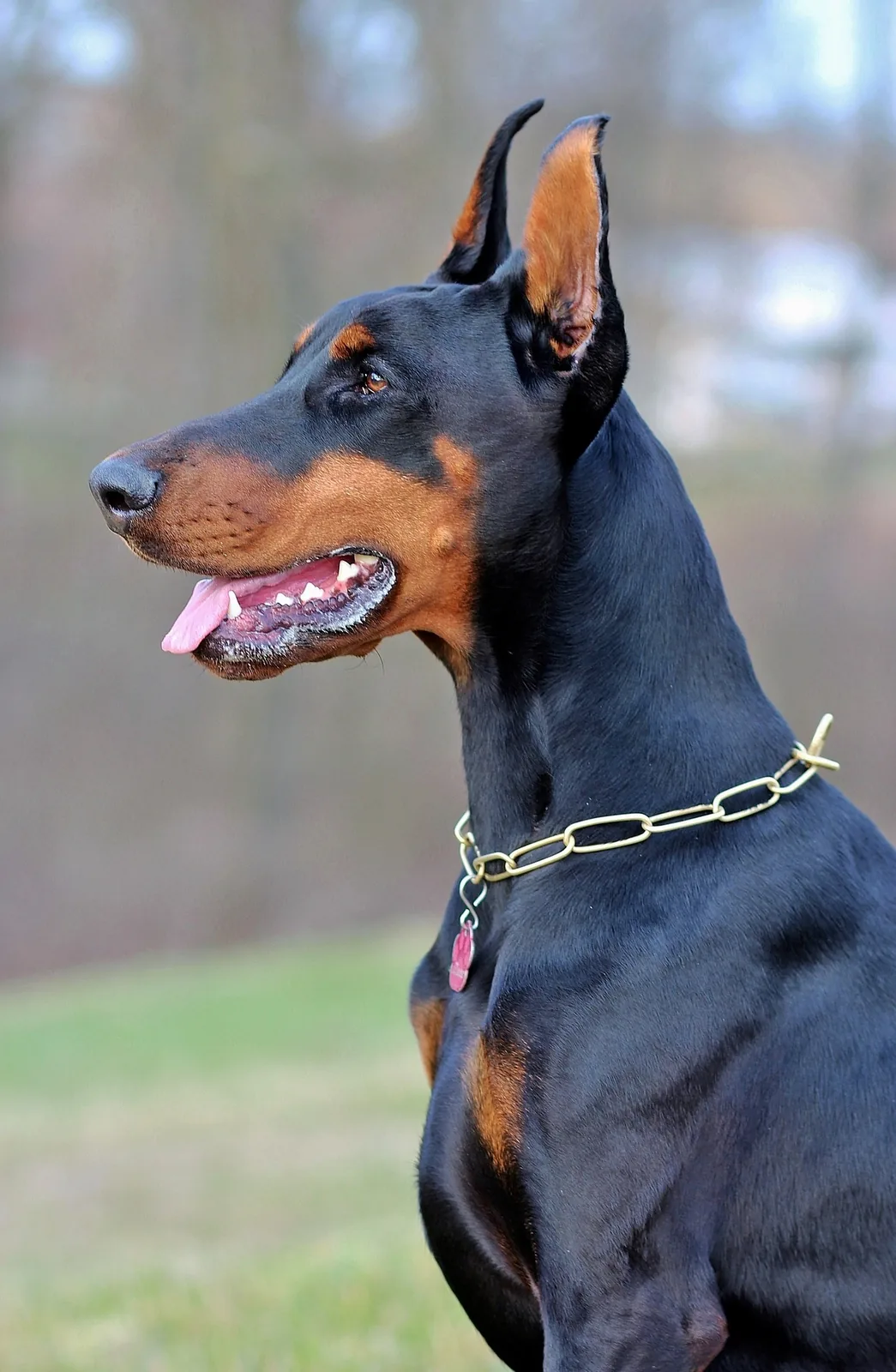
Dobermans were developed with personal protection in mind and remain strikingly athletic, alert dogs. Their silhouette alone can provide deterrent presence, while their close relationship with the handler can support advanced obedience.
Early socialization and obedience are especially important because a fast, powerful dog that reacts before checking in with the owner is difficult to manage.
3. Rottweiler — powerful presence with serious responsibility
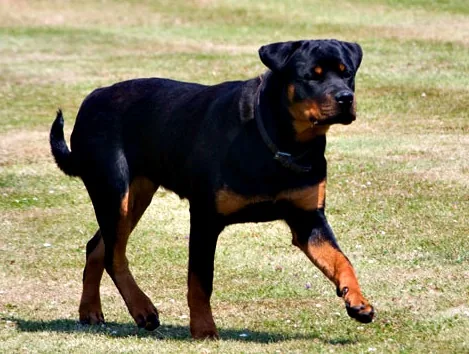
A mature Rottweiler has obvious physical presence. The breed can be steady, confident and deeply attached to its household, but its strength means ordinary manners are safety skills.
Training should focus on calm control, not suspicion: loose-leash walking, handling, visitor routines, recall and the ability to disengage.
4. Cane Corso — formidable guardian for experienced homes
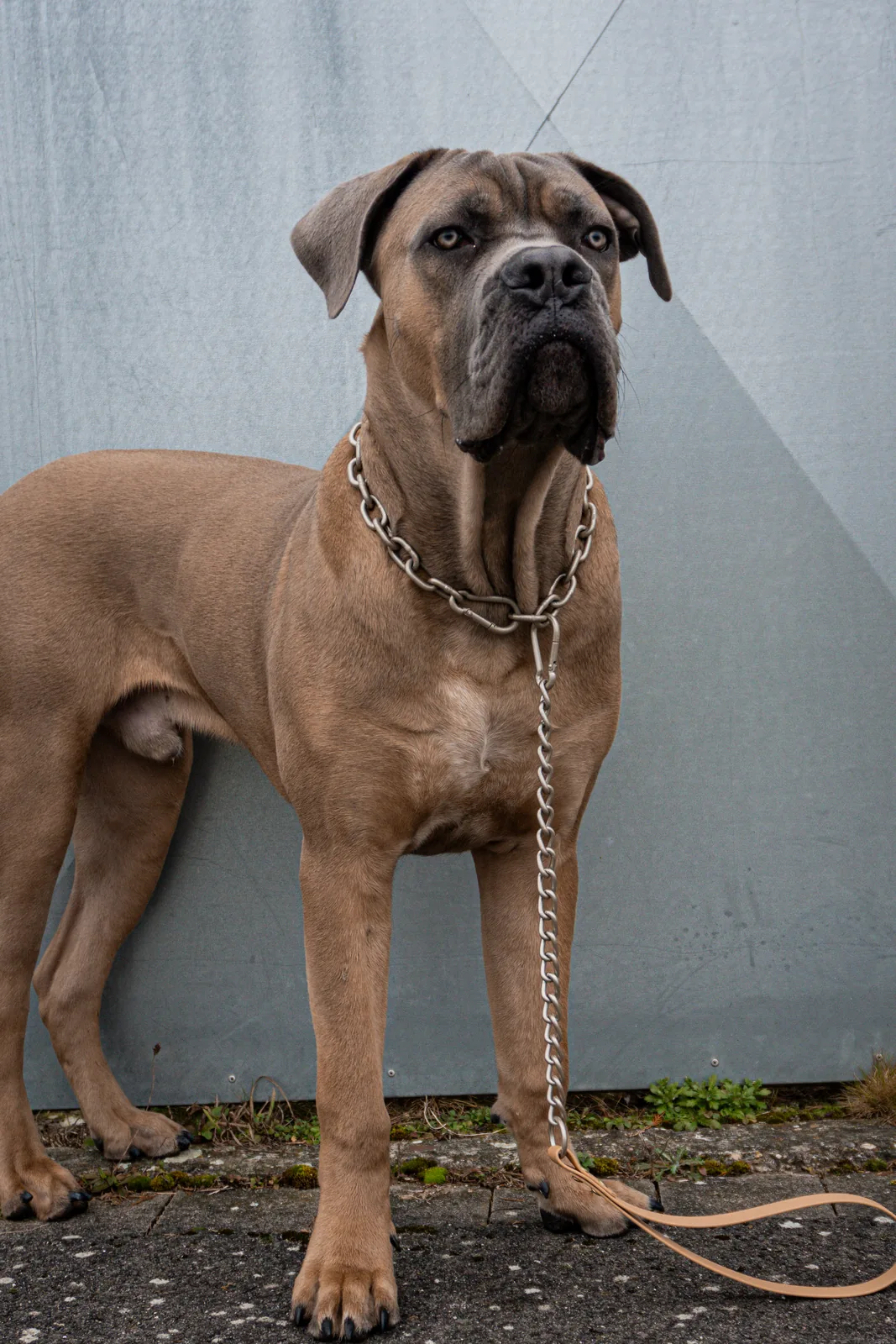
The Cane Corso is a large Italian guardian breed with substantial strength and natural protective tendencies. That makes the breed appealing to people thinking about security—and unsuitable for casual ownership.
A Corso needs early, ongoing socialization, clear boundaries and competent handling. Encourage calm neutrality around normal people rather than rehearsing suspicious behavior.
5. Belgian Malinois — exceptional working ability, rarely the easiest pet
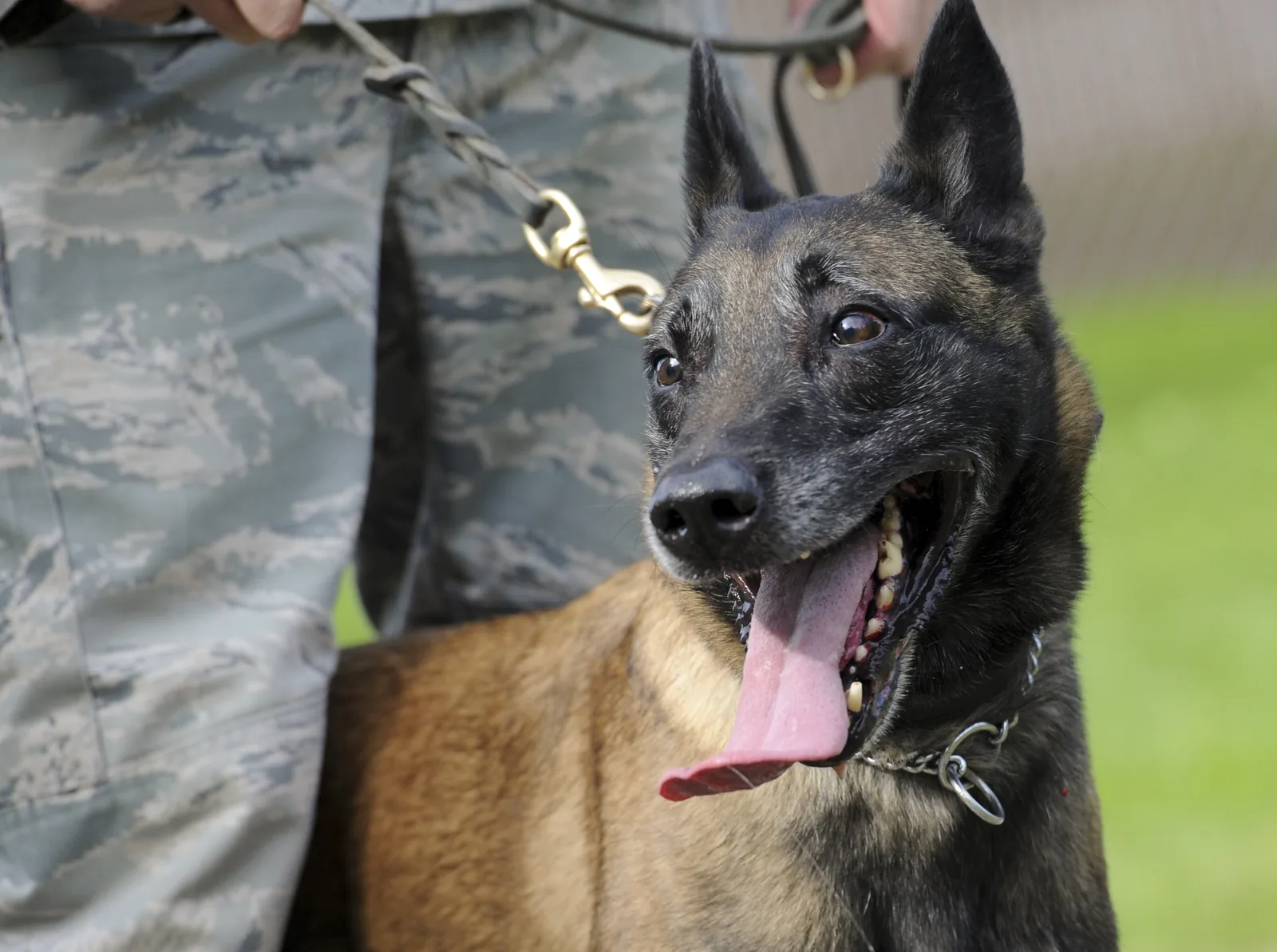
Belgian Malinois are highly capable working dogs used in police, military and sport settings. Their speed, intensity and trainability are real, but those traits are frequently romanticized.
A Malinois can require far more structured work than a normal household wants to provide. Buying one because it appears impressive in protection videos is a poor reason to select the breed.
6. Boxer — alert family companion with athletic presence
Boxers are playful, powerful working dogs that often form strong household bonds. They can be naturally alert and visually substantial without the same guardian intensity seen in a Corso or Malinois.
They still need training; friendly enthusiasm can produce jumping and chaotic greetings. Heat management matters because of the shortened muzzle.
7. Giant Schnauzer — serious working dog with territorial instincts
Giant Schnauzers are strong, intelligent working dogs historically used for cattle driving and guarding. They can offer both deterrent presence and high trainability.
Their coat requires substantial grooming, and their working temperament is not a low-maintenance lifestyle.
A dog is not a substitute for a security system
The most reliable home-security measures are boring by design: functioning locks, strong doors/windows, lighting, visibility, alarms/cameras where useful, and not advertising predictable absences.
A dog adds a living layer of alertness and presence. It also sleeps, ages, becomes ill, can be distracted and can make mistakes. Treat the dog's welfare as a primary responsibility, not as security equipment.
Do not DIY attack training
Teaching a pet to threaten or bite people without qualified supervision can create a dog that is dangerous to family, visitors and the public. If a household has a legitimate need for formal protection work, seek an experienced professional who emphasizes temperament assessment, control, legal responsibility and a clear off-switch.
For most homes, excellent obedience and a confident bark at unexpected activity provide more practical value than bite work.
What to prioritize when choosing a guardian breed
Ask:
- Can the household provide the exercise this breed needs?
- Can every responsible adult physically handle the dog?
- Are landlord, insurer and local rules compatible?
- Is the breeder selecting for stable temperament and health?
- Can the dog live calmly around normal guests, maintenance workers and deliveries?
- What happens when the dog is old or injured and no longer offers deterrent presence?
If those questions are uncomfortable, invest in better physical security rather than a high-intensity guardian breed.
FAQ
What is the best dog to stop a burglar?
No breed can reliably promise to stop a burglar. A well-trained guardian breed may deter or alert, but home security should be built around locks, lighting, alarms/cameras and safe human decision-making.
Are guard dogs supposed to be aggressive?
No. Stable guardian dogs should be controllable and able to behave normally around ordinary people and environments. Uncontrolled aggression increases risk.
Is a German Shepherd or Rottweiler better for home security?
Both can provide deterrent presence. German Shepherds often offer greater versatility and handler responsiveness; Rottweilers provide more mass and physical presence. The better choice is the breed whose exercise and management needs fit the household.
Should I get a Belgian Malinois for protection?
Only if the household genuinely wants the lifestyle of an intense working dog and has appropriate experience and support.
Sources & further reading
- AKC — Best Guard Dogs
- AKC — German Shepherd Dog
- AKC — Doberman Pinscher
- AKC — Rottweiler
- AKC — Cane Corso
- AKC — Belgian Malinois