7 Loyal Guardian Dog Breeds: Strong Bonds, Watchfulness & Ownership Fit
Loyalty is one of the most overused words in dog-breed content. A dog that lunges at strangers is not automatically “loyal,” and a stable guardian does not need to treat ordinary people as threats.
For this guide, loyal guardian means a breed commonly associated with strong attachment to its household, alertness/watchfulness and enough physical or behavioral presence to function as a deterrent or guardian when responsibly bred, socialized and trained.
The seven breeds below can fit that description. None should be purchased as a shortcut to personal security.
At a glance
| Breed | Household bond | Natural watchfulness | Exercise | Ownership difficulty |
|---|---|---|---|---|
| German Shepherd Dog | Very high | High | High | High |
| Rottweiler | Very high | High | Moderate-high | High |
| Doberman Pinscher | Very high | High | High | High |
| Cane Corso | Very high | Very high | Moderate-high | Very high |
| Belgian Malinois | Very high/handler-focused | Very high | Very high | Very high |
| Boxer | High | Moderate-high | High | Moderate-high |
| Giant Schnauzer | Very high | High | High | Very high |
1. German Shepherd Dog — versatile household/working loyalty
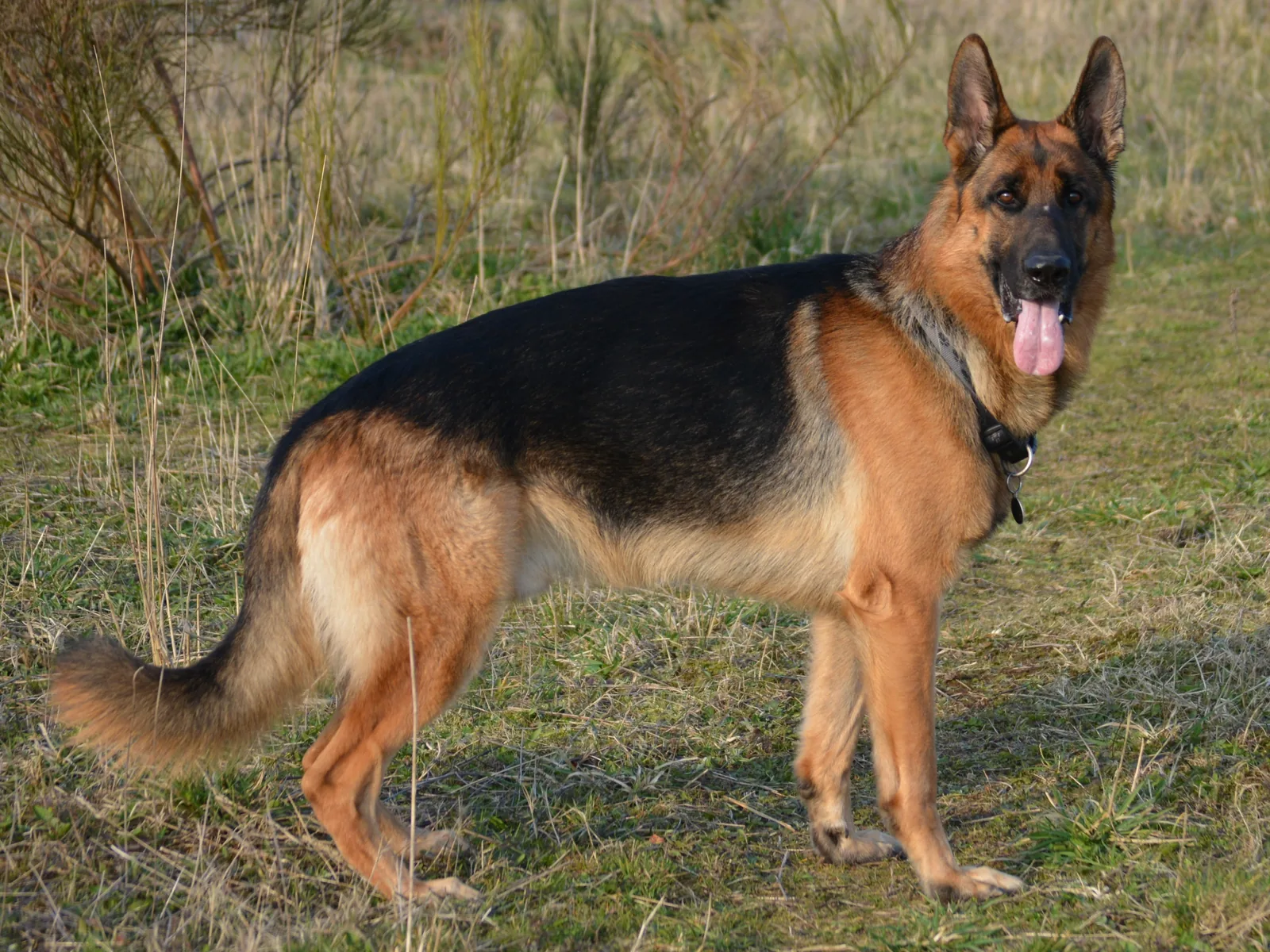
German Shepherd Dogs are strongly associated with handler engagement, trainability and all-purpose working ability. The same characteristics that make them useful in police, service, sport and protection contexts can make them deeply connected household companions.
A good GSD should be stable, not nervously reactive. Socialization should teach the dog that normal people, dogs, traffic and visitors are part of ordinary life.
Best for: active owners who want structured training and a dog involved in daily life.
Watch-outs: heavy shedding, exercise needs, orthopedic health and poorly bred fear/reactivity.
For a detailed ownership profile, see our German Shepherd temperament, training, exercise and health guide.
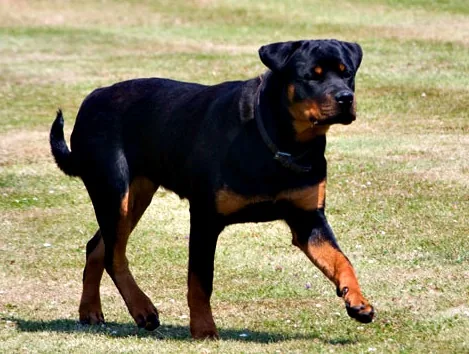
2. Rottweiler — powerful, close household guardian
Rottweilers often form strong family bonds and have the size/presence to deter unwanted approach. That power raises the training standard.
A Rottweiler that cannot walk calmly, accept handling or settle around invited visitors is not “more protective”; it is more difficult to manage safely.
Best for: experienced owners comfortable with a strong working breed.
Watch-outs: size, socialization, landlord/insurance restrictions and orthopedic health.
Review the Rottweiler temperament, training and guardian-dog fit guide.
3. Doberman Pinscher — close-contact guardian
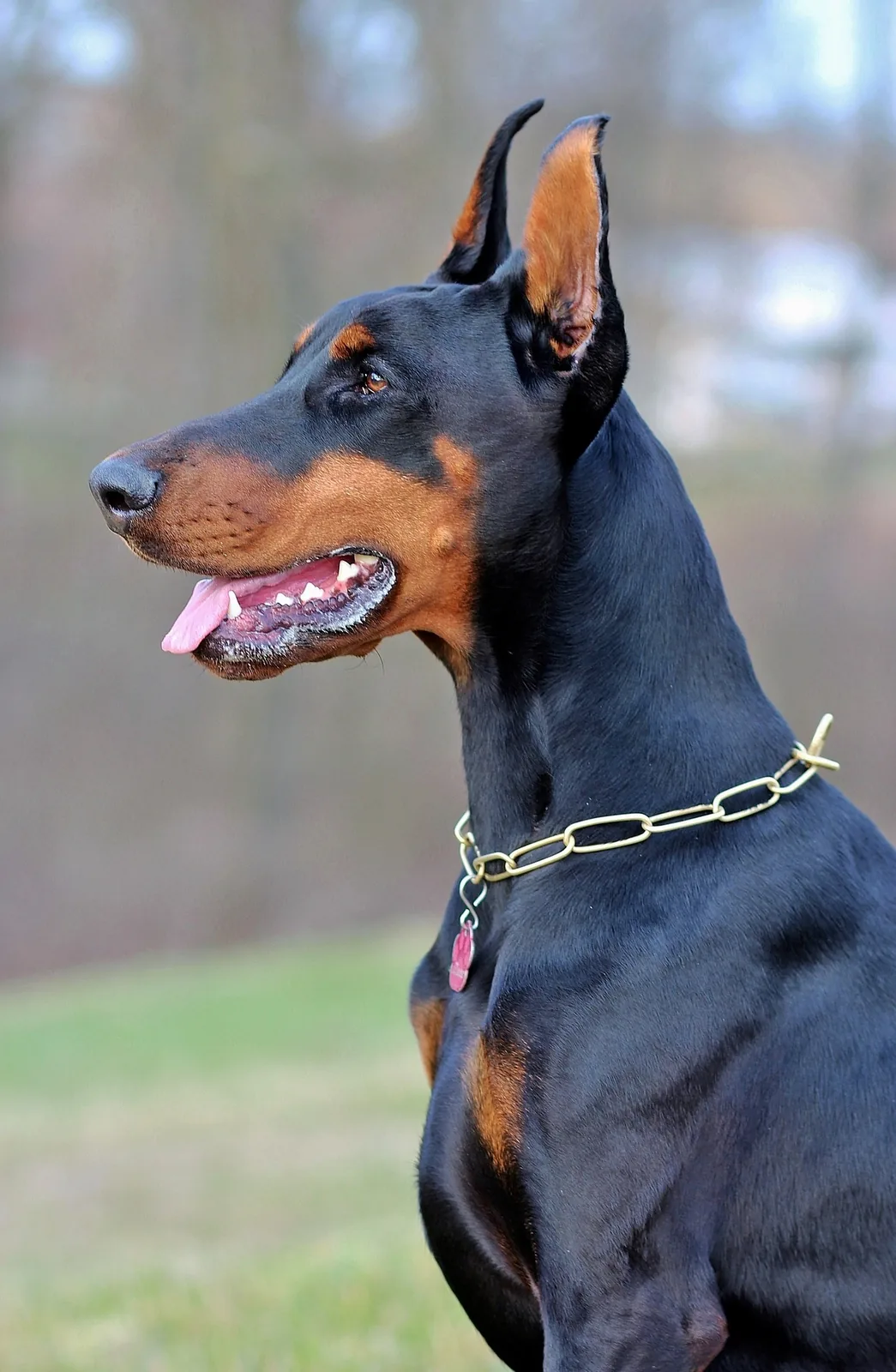
Dobermans were deliberately developed around personal protection/guardian work and are often notably attached to their people. They combine athleticism with a strong tendency to observe the environment.
They are not backyard security equipment. Dobermans generally need close household involvement, exercise and training.
Best for: active owners wanting a close, trainable companion with guardian heritage.
Watch-outs: health screening, exercise, separation from family and overreactive breeding lines.
4. Cane Corso — serious guardian for experienced homes
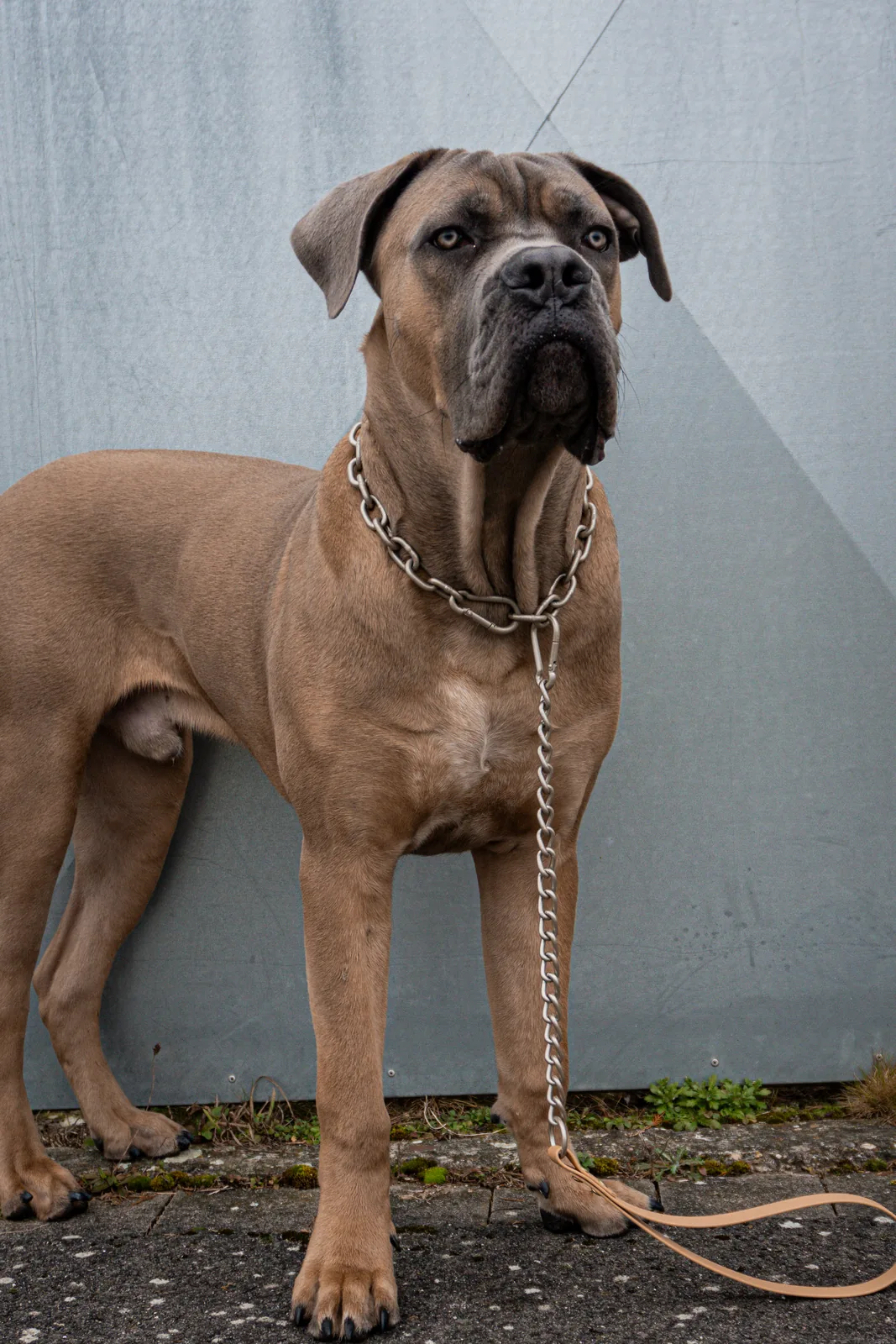
The Cane Corso is a large mastiff-type working guardian. The breed's strength, territorial tendencies and reserve make early socialization and handler competence essential.
This is not a breed to recommend casually to someone who simply says, “I want a loyal dog that scares burglars.”
Best for: experienced large-guardian owners with structured training and secure management.
Watch-outs: size, territorial behavior, legal/housing restrictions and the consequences of training mistakes.
5. Belgian Malinois — extreme handler engagement and work drive
Belgian Malinois are famous for loyalty and intense handler focus in working contexts. AKC material describes the breed as highly loyal and hardworking, with extensive police/military use.
That does not make them the best family guard dog for most people. Their physical and mental output can overwhelm households that mainly want a companion.
Best for: experienced working-dog/sport handlers.
Watch-outs: very high exercise/work needs, mouthiness, reactivity when under-socialized and inability to thrive as a low-effort pet.
6. Boxer — social family guardian with a playful side
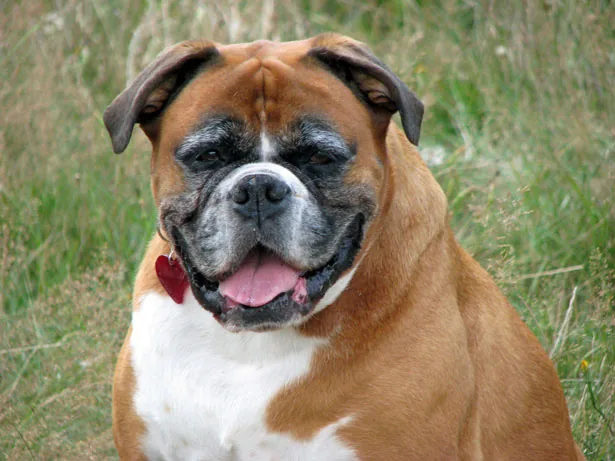
Boxers are often more socially exuberant than the stereotypical aloof guardian. They combine a muscular physical presence with playful attachment to their family and natural alertness.
For some households, that balance is more practical than a highly territorial mastiff or extreme working shepherd.
Best for: active households wanting a guardian-looking dog with a more playful social style.
Watch-outs: brachycephalic heat tolerance, high-energy adolescence and health screening.
7. Giant Schnauzer — loyal, territorial working guardian
The Giant Schnauzer is an intelligent, powerful Working Group breed. Current AKC breed guidance emphasizes loyalty, alertness, trainability and protective/territorial tendencies.
The breed needs a job and consistent boundaries. Without training and exercise, that same intensity can become difficult behavior.
Best for: experienced active owners who enjoy serious training.
Watch-outs: grooming, high work drive, territoriality and strength.
Loyalty is not aggression
A loyal dog can:
- remain calm while a guest enters with permission;
- walk past strangers without lunging;
- accept veterinary handling;
- disengage when the handler asks;
- alert without escalating every situation.
Those are signs of control and stability, not weakness.
Guard dog vs watchdog vs protection dog
Watchdog
Alerts to something unusual. Many small dogs can be excellent watchdogs without the physical role of a guardian.
Natural guardian
A breed/individual with watchfulness, confidence and physical presence that may naturally deter or respond to perceived threats.
Trained protection dog
A dog prepared through specialized professional training for controlled protection behaviors. This is not the same as owning a naturally watchful pet.
Learn how watchdogs, guard dogs and trained protection dogs differ.
What matters more than breed name
Stable genetics
Do not seek “most aggressive bloodline” advertising. Look for stable dogs that can distinguish ordinary life from genuine conflict.
Early socialization
Socialization is not forcing the puppy to greet everyone. It is creating positive/neutral exposure and the ability to remain functional around normal environments.
Control
Recall, leash manners, a place/settle cue, handling and visitor routines are more useful to a household than encouraging suspicion.
Legal and insurance rules
Some regions, landlords and insurers restrict certain breeds. Check before acquiring a dog.
Which loyal guardian is easiest?
None of these seven should be described as “easy” merely because the dog is loyal.
For many active experienced homes, a well-bred German Shepherd or Boxer can be more flexible than a Cane Corso or Malinois. Individual lines matter enormously.
FAQ
What is the most loyal guard dog?
There is no objective single winner. German Shepherds, Rottweilers, Dobermans, Cane Corsos, Belgian Malinois and Giant Schnauzers are all strongly associated with household/handler loyalty and guarding or working traits.
Is a loyal dog automatically protective?
No. Attachment, alerting, territorial behavior and trained protection are different traits.
Should I train my family dog to attack intruders?
Do not improvise attack/protection training. If controlled protection work is genuinely required, use a reputable qualified professional and understand local liability.
Is a Malinois the best protector?
Malinois can be exceptional working dogs, but their intensity makes them a poor recommendation for many ordinary pet households. “Most capable” in specialized work does not mean “best household fit.”
Sources & further reading
- AKC — Best Guard Dogs
- AKC — Working Group
- AKC — German Shepherd vs Belgian Malinois
- AKC — Belgian Malinois facts
- AKC — Giant Schnauzer fit