9 High-Energy Small Dog Breeds for Active Owners
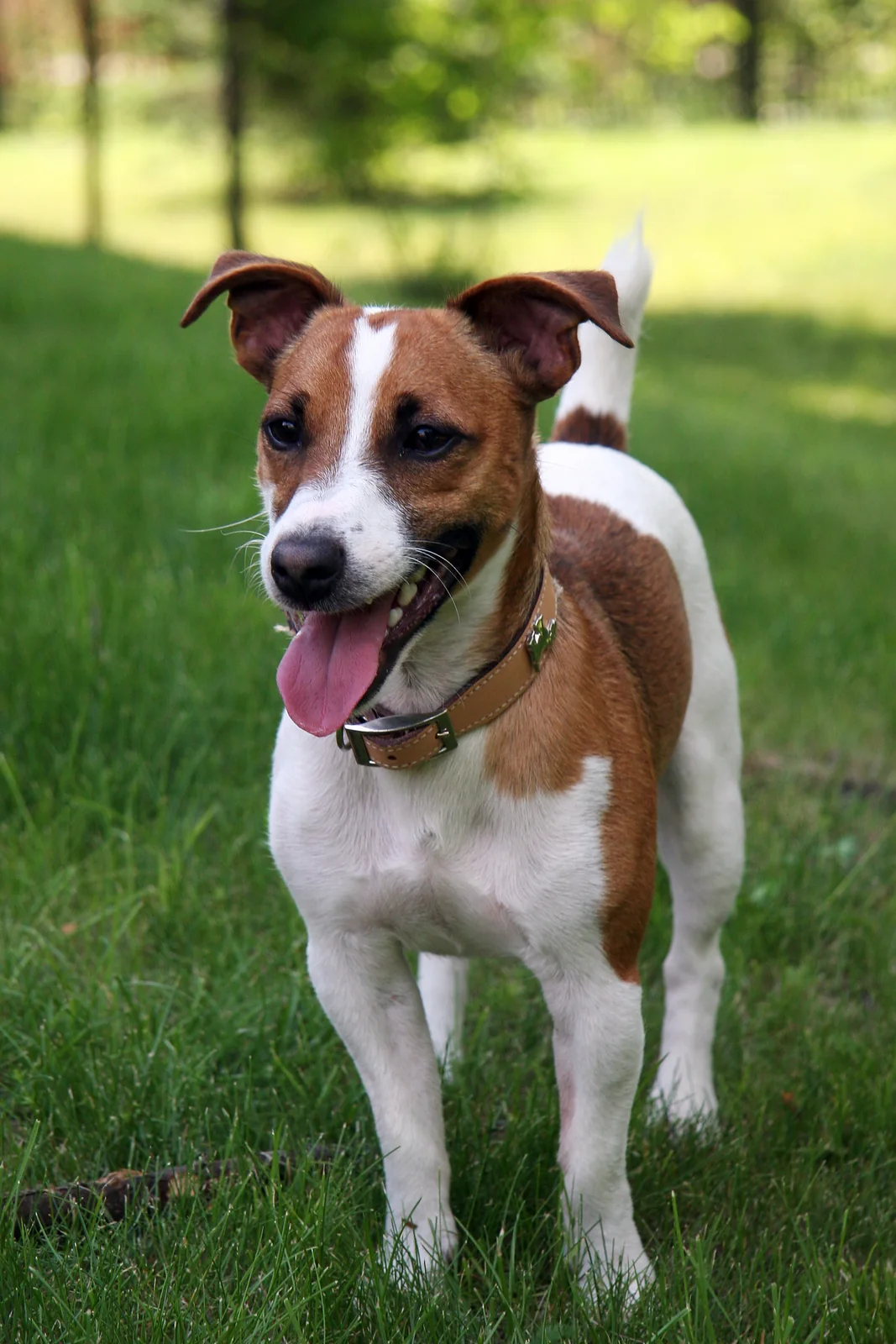
Small dogs are often chosen because they fit physically into smaller homes. That tells you almost nothing about how much activity, training and mental work they need.
A compact terrier may require more engagement than a much larger adult dog. The advantage is portability: a small athletic dog can be an excellent hiking, training or sport companion for someone who wants energy without a large body.
There is no useful universal "one hour" prescription for every dog. Age, health, weather, conditioning and individual temperament matter.
At a glance
| Breed | Why active owners like them | Main challenge |
|---|---|---|
| Jack Russell Terrier | intense, athletic, clever | prey drive, persistence |
| Parson Russell Terrier | sporty terrier | high arousal |
| Rat Terrier | versatile and quick | prey drive |
| Miniature Pinscher | lively and portable | independence |
| Papillon | tiny but highly trainable | fragility |
| Border Terrier | tough and outdoorsy | hunting instinct |
| Schipperke | energetic watchdog type | barking/independence |
| Miniature American Shepherd | trainable herding dog | mental workload |
| Toy/Miniature Poodle | athletic, smart | grooming |
1. Jack Russell Terrier
Jack Russells pack working-terrier intensity into a small frame. They can excel with owners who enjoy training, scent games, hiking and structured play.
Their hunting background can show up as digging, chasing and persistence. A bored Jack Russell does not become a low-energy dog; it becomes a creative one.
2. Parson Russell Terrier
The Parson Russell is another athletic fox-terrier type with speed, stamina and enthusiasm. It suits people who want a compact dog for active outings and dog sport.
Impulse control and recall deserve serious work.
3. Rat Terrier
Rat Terriers are quick, clever and often highly engaged with their people. Many enjoy agility, nose work, hiking and games.
They remain terriers. Small animals, wildlife and moving objects can trigger chase behavior.
4. Miniature Pinscher
Miniature Pinschers are small but self-confident and lively. They can fit apartment life physically while still requiring daily activity and training.
Secure management matters because curiosity and independence can lead to escape attempts.
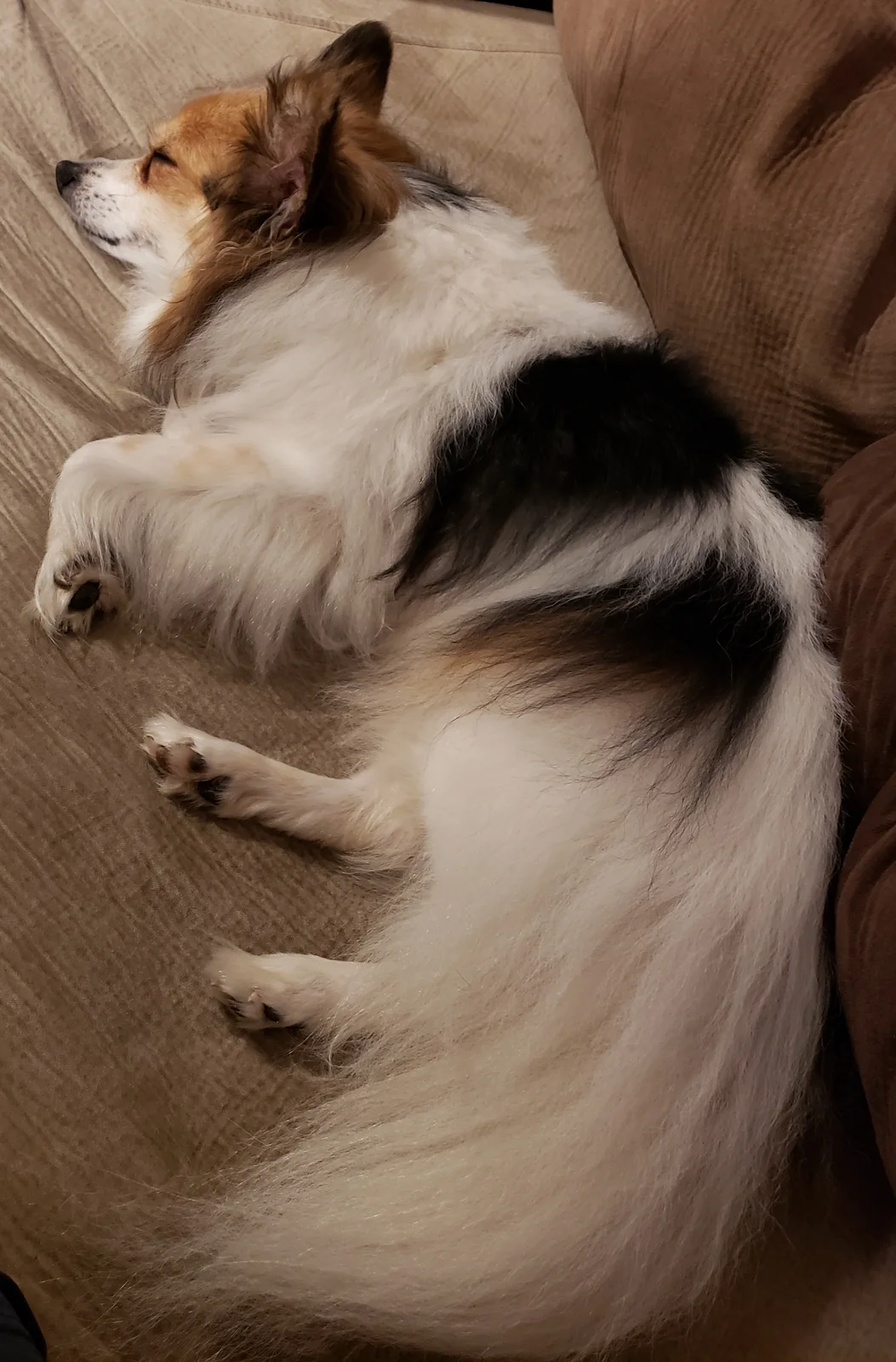
Papillons are a useful reminder that "toy breed" does not mean sedentary. Many are bright, responsive and surprisingly capable in obedience and agility.
Their tiny size requires care around rough play, large dogs and falls.
6. Border Terrier
Border Terriers were built to work. They often enjoy long walks and outdoor adventures, but their prey drive can make off-leash freedom risky around wildlife.
They tend to suit owners who enjoy a sturdy, less delicate small dog.
7. Schipperke
Schipperkes are alert, curious and active. Their watchdog instincts can also produce barking, so activity alone is not the whole training plan.
Mental work and calm-settle training are useful alongside exercise.
8. Miniature American Shepherd
Miniature American Shepherds bring herding-dog responsiveness and athleticism in a smaller package. They often thrive when owners give them skills to learn rather than relying only on physical exercise.
Movement sensitivity and over-arousal can appear if the dog has no off-switch.
9. Toy or Miniature Poodle
Poodles are highly trainable and athletic across sizes. Toy and Miniature Poodles can suit people who want a small dog for tricks, obedience, games and regular outings.
The trade-off is grooming: low shedding requires coat maintenance, clipping and brushing.
How to live with a high-energy small dog
Prioritize:
- sniffing and exploration;
- short training sessions;
- safe tug/fetch where appropriate;
- food-search games;
- hiking built up gradually;
- dog sport if the dog enjoys it;
- deliberate relaxation skills.
More exercise is not always the answer to hyperactivity. Constantly creating a fitter, more aroused dog without teaching rest can backfire.
FAQ
What small dog has the most energy?
Terriers such as Jack Russells and Parsons are famous for intensity, but individual dogs vary.
Can high-energy small dogs live in apartments?
Yes, if their exercise, training, barking and enrichment needs are met. Floor area does not determine daily activity requirements.
Are energetic small dogs good for first-time owners?
Some can be. Papillons and Poodles may feel more cooperative to many beginners than intense working terriers, but grooming and fragility still matter.
Sources & further reading
A final trade-off record for 9 High-Energy Small Dog Breeds for Active Owners
Before deciding, give every remaining candidate one strongest advantage, one hardest daily requirement and one failure mode. For 9 High-Energy Small Dog Breeds for Active Owners, a failure mode might be escape, conflict with another animal, grooming that is repeatedly postponed, exercise needs that exceed the weekday schedule, or strength that one household member cannot manage. Write the prevention and backup for each one. If the backup depends on perfect weather, unlimited money or a single person never being unavailable, it is not robust enough.
Keep the record after placement. It becomes a practical reminder of why training, fencing, health screening or coat care mattered. The exercise also helps separate a passing preference from a durable match. 9 High-Energy Small Dog Breeds for Active Owners is useful when it makes the trade-offs clearer, not when it creates pressure to choose a winner.
Review point for 9 High-Energy Small Dog Breeds for Active Owners
Set a date to revisit the decision and name the observation that would bring the review forward. For 9 High-Energy Small Dog Breeds for Active Owners, a meaningful trigger might be discomfort, repeated equipment failure, a change in health or behavior, a household routine that no longer meets the dog's needs, or reliable new evidence. Record the current choice and its largest accepted limitation so the later review compares reality with the reason for choosing it.
A review is not an admission that the first decision failed. Dogs, products, services and households change. Keep what continues to work, replace assumptions with direct observation and involve a veterinarian or appropriately qualified professional when health, welfare or serious behavior is involved. 9 High-Energy Small Dog Breeds for Active Owners remains useful only while the plan is safe for the individual dog and sustainable for the people responsible for it.
Share the plan for 9 High-Energy Small Dog Breeds for Active Owners
Make sure every person who handles the dog understands the same cues, fit checks, boundaries and stop rules. In 9 High-Energy Small Dog Breeds for Active Owners, inconsistent handling can make an ordinary difficulty look unpredictable. Write a short handoff note covering the routine, the dog's known sensitivities, the backup equipment or contact, and the signs that mean the session should end. Test whether another adult can follow it without verbal explanation.
Include sitters, walkers and family members who may encounter the difficult scenario. Store emergency contacts and current care information where they can be found without unlocking this page. A shared plan reduces preventable mistakes and reveals when the proposed solution depends too heavily on one person's skill. That is a practical final check before relying on the recommendation in 9 High-Energy Small Dog Breeds for Active Owners.
Keep the conclusion proportionate in 9 High-Energy Small Dog Breeds for Active Owners
Use the evidence to narrow choices, not to promise an outcome. For 9 High-Energy Small Dog Breeds for Active Owners, breed tendencies, measurements, population ranges and product features all have limits; the individual dog and current conditions remain decisive. Prefer a conclusion that names who may benefit, who should avoid the option and what must be verified next. That structure is more honest than a universal winner.
If two choices remain close, favor the one with the safer failure mode and the simpler routine. Delay the decision when essential records, measurements or professional guidance are missing. The goal of 9 High-Energy Small Dog Breeds for Active Owners is a choice that can be explained, monitored and changed responsibly—not confidence for its own sake.
A weekday test for 9 High-Energy Small Dog Breeds for Active Owners
Build the decision around an ordinary Tuesday, not the most active weekend of the year. For 9 High-Energy Small Dog Breeds for Active Owners, write down who handles the morning outing, how long the dog may be alone, where decompression happens after visitors arrive, and what exercise is still realistic in poor weather. Add the time required for coat care, training and transport. If a candidate needs more physical control or supervision than one adult can provide, treat that as a mismatch rather than a challenge to solve after adoption.
Run the same test for a difficult week. Illness, work deadlines and winter weather do not remove a dog's needs. A workable plan for 9 High-Energy Small Dog Breeds for Active Owners includes a backup walker or sitter, safe separation from children and other animals, and a quiet place where the dog can settle. The strongest candidate is not the one with the most dramatic strengths; it is the one whose demanding days remain manageable.
Questions for a breeder or rescue about 9 High-Energy Small Dog Breeds for Active Owners
Ask for examples rather than labels. In a 9 High-Energy Small Dog Breeds for Active Owners conversation, “friendly,” “protective” and “high energy” are too broad unless the person describes behavior around unfamiliar adults, children, dogs, handling, food, barriers and recovery after surprise. Ask how mature relatives behave, which health screening was completed, what the dog does after exercise, and what has been hardest in previous placements.
For an adult dog, request the foster or previous-home routine and ask what changes across environments. For a puppy, remember that adult size, social maturity and inherited work style have not appeared yet. Reputable placements welcome questions, discuss weaknesses without defensiveness and remain available after the dog goes home. Pressure, guarantees and refusal to share records are reasons to leave the 9 High-Energy Small Dog Breeds for Active Owners shortlist open.