10 Small Dog Breeds for First-Time Owners: Easier Fits & Trade-Offs
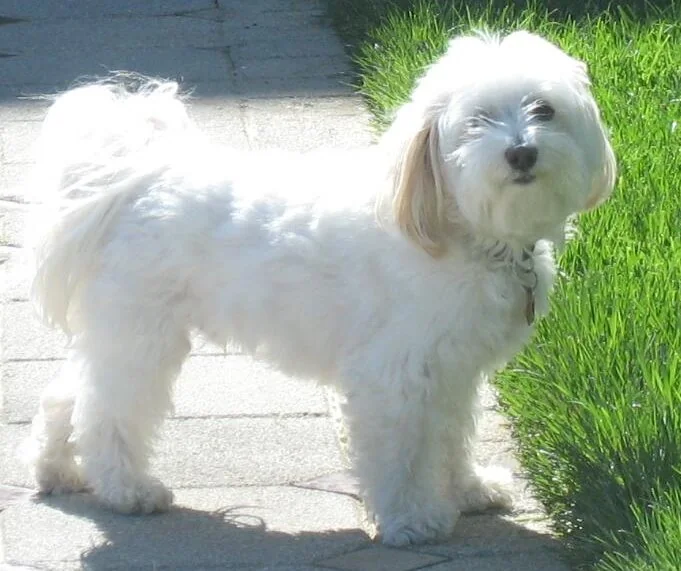
A small body can make housing, transport and physical handling easier for a first-time owner, but it does not automatically make the dog easier.
Some tiny terriers are intense hunters. Some companion breeds need extensive grooming. Some short-faced breeds have important health limitations. The best first small dog is one whose training style, energy and maintenance fit the person.
Ten options worth comparing
| Breed | Beginner strength | Main trade-off |
|---|---|---|
| Miniature Poodle | highly trainable | grooming |
| Havanese | sociable/adaptable | coat + companionship |
| Bichon Frise | cheerful/trainable | grooming |
| Papillon | clever/portable | fragility + energy |
| Cavalier King Charles Spaniel | gentle companion style | significant health screening |
| Miniature Schnauzer | sturdy/trainable | barking + grooming |
| Shih Tzu | companion-oriented | grooming + brachycephalic health |
| Maltese | portable/social | coat + fragility |
| Boston Terrier | social/compact | brachycephalic health/heat |
| Whippet | often calm indoors | prey drive + cold |
Miniature Poodle
A strong choice for people who want to learn training. Miniature Poodles are intelligent and active without requiring a large body.
The coat turns grooming into a permanent budget item.
Havanese
Havanese can adapt well to apartment or house living when they get regular walks, play and companionship.
They are not ideal for people who want a highly independent dog left alone for long stretches.
Bichon Frise
Bichons are compact companion dogs that often respond well to reward-based training. Their coat requires clipping and brushing.
House-training consistency can matter with any small breed because owners sometimes give tiny puppies too much unsupervised freedom.
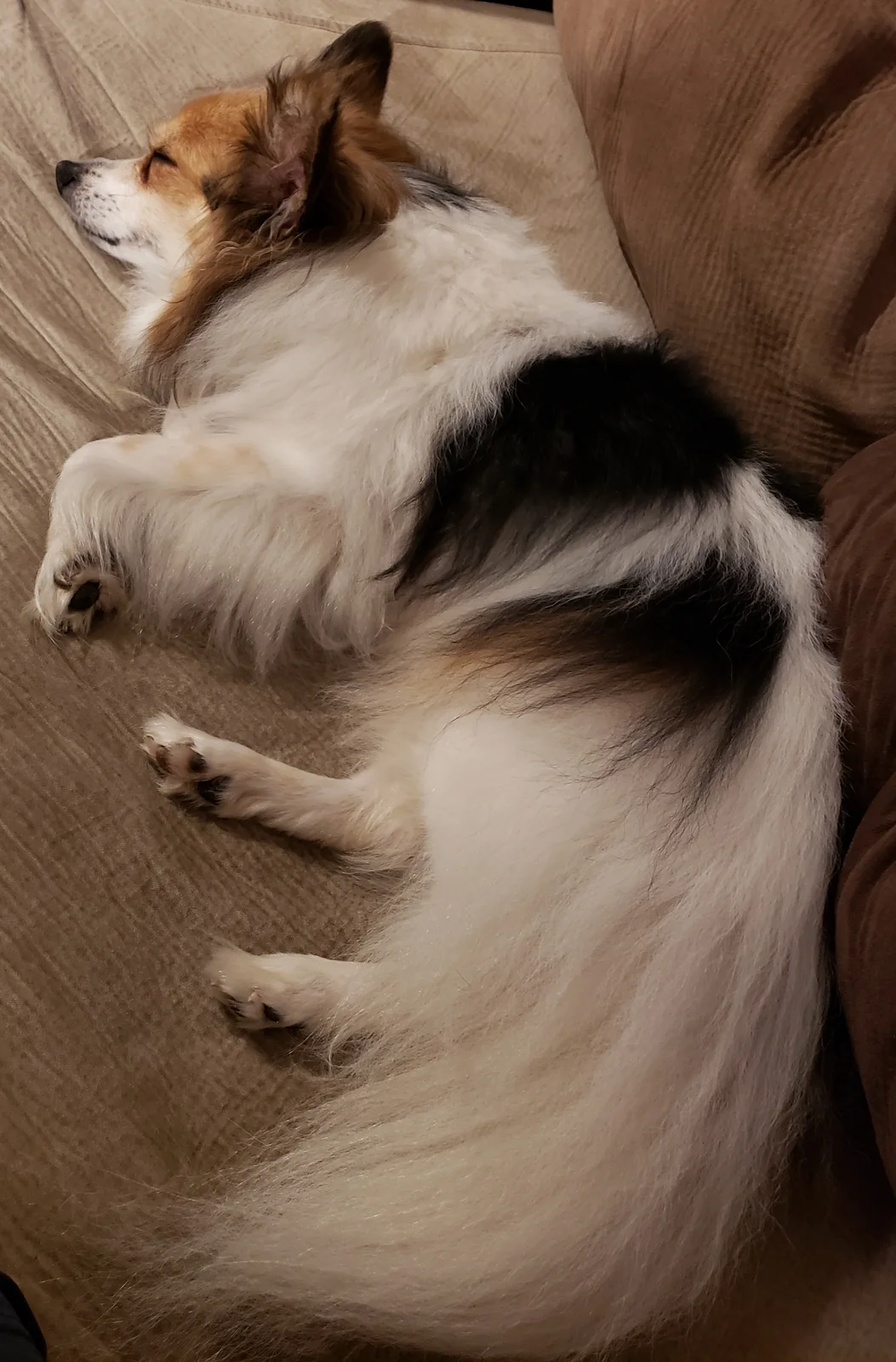
Papillons are small, bright and athletic. They suit beginners who like training and tricks.
Their physical delicacy makes safe handling important.
Cavalier King Charles Spaniel
Cavaliers often fit the emotional picture of a beginner-friendly companion. The major caveat is health: prospective owners should research current parent-club screening recommendations and choose breeders carefully.
Miniature Schnauzer
Miniature Schnauzers are sturdy, alert and trainable. They can be more vocal than softer companion breeds and require coat maintenance.
Shih Tzu
Shih Tzu can suit owners who prefer modest exercise and close companionship. Grooming, eyes, heat and functional breathing deserve attention.
Maltese
Maltese offer portable companionship and a generally manageable exercise requirement. The long coat and tiny body are the main practical issues.
Boston Terrier
Boston Terriers are often social, humorous companions. Because they are brachycephalic, heat tolerance and breathing quality must be part of selection rather than an afterthought.
Whippet
Whippets are bigger than many toy breeds but still compact and often quiet indoors. They can suit beginners who want a graceful, low-grooming companion and can safely manage prey drive.
What makes a dog beginner-friendly?
Look for:
- motivation to engage with the owner;
- manageable exercise relative to your lifestyle;
- grooming you can afford;
- a temperament you can physically handle;
- predictable access to training support;
- health needs you understand;
- housing compatibility.
Avoid choosing based only on cuteness, "hypoallergenic" marketing or the belief that a small dog does not need training.
FAQ
What is the easiest small dog for a first-time owner?
There is no universal easiest breed. Miniature Poodles, Havanese and Bichons are reasonable starting points for many owners, with grooming as the main trade-off.
What small breed is low grooming?
Short-coated dogs can reduce coat work, but some come with other trade-offs. Whippets have simple coats; Boston Terriers are also short-coated but require brachycephalic health awareness.
Are terriers good first dogs?
Some are, but many have strong prey drive, independence and high energy. A beginner should choose the individual terrier deliberately rather than assuming small equals simple.