Puppy Socialization Checklist: What to Introduce, How to Do It Safely & What Not to Force
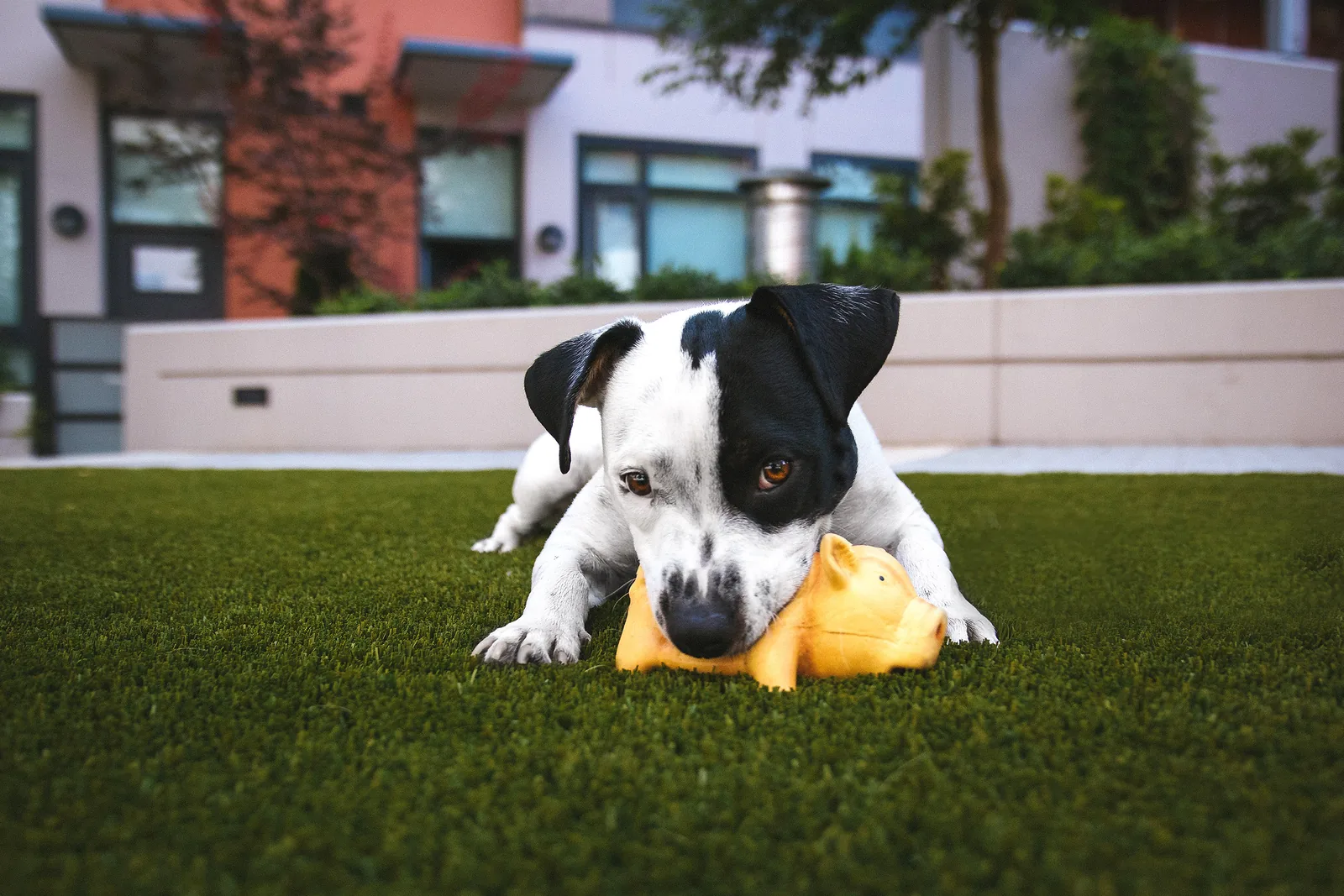
Socialization is not a race to make a puppy meet as many people and dogs as possible.
Good socialization means helping a puppy develop safe, positive or neutral experiences with the types of people, animals, environments, handling and everyday events they are likely to encounter later.
Veterinary behavior guidance emphasizes that early socialization matters, while infection risk still needs sensible management. The goal is not isolation until every vaccine is complete, nor unrestricted access to every dog park and sidewalk.
The most important rule: quality beats quantity
One calm, successful exposure is more useful than ten overwhelming encounters.
A puppy does not need to love:
- every person;
- every dog;
- every sound;
- every environment.
The long-term skill is often calm neutrality.
If your puppy can notice a stranger, bicycle or dog and remain comfortable without rushing toward it, that is valuable socialization.
Watch the puppy's response
Continue or gently progress when the puppy is:
- loose-bodied;
- curious;
- eating treats;
- willing to approach and retreat;
- playing;
- exploring;
- able to disengage.
Increase distance or stop when the puppy repeatedly shows:
- tucked tail;
- escape attempts;
- freezing;
- hiding;
- persistent refusal of food in a normally food-motivated puppy;
- repeated lip licking/yawning paired with tension;
- crouching;
- frantic barking;
- growling with clear discomfort.
Do not punish a warning signal. It tells you the puppy needs more space or a different approach.
Vaccination and disease-risk balance
Ask your veterinarian what is safe in your local area.
AVSAB's puppy socialization guidance supports early, controlled socialization rather than waiting until the end of the entire vaccine series. But that does not mean taking a partially vaccinated puppy to high-risk areas contaminated by unknown dogs.
Safer options can include:
- well-run puppy classes with health requirements;
- visiting clean homes with healthy vaccinated dogs;
- carrying the puppy through higher-risk public environments;
- watching the world from a clean mat, vehicle or controlled area;
- meeting known dogs with appropriate vaccination and temperament.
Avoid unsanitized, heavily trafficked dog areas until your veterinarian says the local infection risk is acceptable.
The puppy socialization checklist
Use this as a menu, not a quota.
People
Gradually introduce people with different:
- ages;
- heights;
- body shapes;
- voices;
- clothing;
- hats;
- glasses;
- beards;
- mobility aids;
- walking styles.
Children should interact only under close supervision. Do not let a crowd surround or pass the puppy around.
Handling
Pair gentle handling with food or play.
Practice:
- touching ears;
- looking at teeth;
- holding paws;
- touching nails;
- brushing;
- collar/harness handling;
- brief restraint;
- towel drying;
- standing on a non-slip surface;
- mock veterinary positioning.
Stop before the puppy becomes distressed.
Household sounds
Introduce gradually:
- vacuum;
- hair dryer;
- washing machine;
- doorbell;
- knocking;
- kitchen appliances;
- television;
- music;
- dropped objects.
Start at low intensity or greater distance where possible.
Outdoor sounds
Useful exposures include:
- traffic;
- trucks;
- buses;
- motorcycles;
- bicycles;
- skateboards;
- construction at a safe distance;
- sirens;
- people shouting;
- thunder recordings at very low volume if needed.
Do not deliberately terrify a puppy with loud noise "so they get used to it."
Surfaces
Let the puppy explore:
- grass;
- concrete;
- gravel;
- tile;
- carpet;
- wood;
- metal grates only when safe for paws;
- rubber matting;
- shallow steps;
- stable ramps.
Movement and texture confidence can help later at veterinary clinics, groomers and travel environments.
Objects
Introduce calm exposure to:
- umbrellas;
- boxes;
- bags;
- rolling suitcases;
- wheelchairs;
- strollers;
- shopping carts;
- bicycles;
- large trash bins;
- statues;
- reflective surfaces.
Vehicles
Teach that the car can predict calm, good experiences.
Start with:
- entering a stationary car;
- resting with engine off;
- engine on;
- very short ride;
- gradually longer trips.
Use an appropriate restraint system.
Other dogs
Choose calm, socially appropriate dogs.
A puppy does not need free play with every dog. Useful experiences include:
- walking near another dog;
- calm sniff-and-disengage;
- brief play;
- settling in the same room;
- observing dogs at a distance.
Avoid forcing interaction with a dog the puppy fears.
Other animals
If the puppy may live around cats, livestock or other species, safe controlled exposure can matter.
Prevent chasing from becoming the puppy's favorite game.
Grooming environments
If the adult dog will need regular grooming:
- visit or walk near the salon;
- practice standing on a mat/table safely;
- introduce dryer noise at low intensity;
- build comfort with brushing and combing.
Veterinary care
Make clinic visits when nothing unpleasant needs to happen, if the clinic supports it.
A quick visit for treats and a weigh-in can build a different association than a lifetime of only injections and illness.
Socialization is not the same as flooding
Flooding means exposing an animal to something frightening at an intensity it cannot comfortably escape.
Examples:
- carrying a terrified puppy into a crowd and forcing strangers to pet it;
- trapping the puppy beside a loud vacuum;
- holding the puppy in place while a frightening dog approaches.
That can make fear worse.
Instead, control distance and intensity so the puppy can learn.
What if the puppy is already fearful?
Do not push harder.
A notably fearful puppy deserves early help because fear can become more difficult to manage with age.
Talk with:
- your veterinarian;
- a qualified reward-based trainer;
- a veterinary behavior professional for significant cases.
Early intervention is not an admission of failure.
Socialization after puppyhood
The sensitive early period matters, but learning does not stop.
Continue giving adolescents and adults controlled positive experiences. A puppy who loved everyone at 12 weeks can still become more selective during adolescence.
A simple weekly plan
Instead of counting 100 exposures, aim for a few short quality sessions.
Example week:
- one calm car ride;
- one controlled dog interaction;
- two new surfaces;
- one visitor with different appearance;
- three handling sessions;
- one new location viewed from a safe distance;
- brief sound practice;
- grooming practice.
Finish while the puppy is still comfortable.
Mistakes to avoid
- dog parks as the main socialization strategy;
- forcing greetings;
- rewarding frantic pulling toward every dog;
- ignoring fear;
- punishing growling;
- overwhelming one long outing;
- waiting in complete isolation for months;
- assuming socialization means unrestricted play.
Bottom line
A well-socialized dog is not necessarily a dog that runs up to everyone.
The goal is a dog that has learned the world is generally safe, can recover from surprises, and can look to the owner for guidance.
Make the puppy's early experiences safe, positive, brief and voluntary enough to learn from.