German Shepherd Dog: Temperament, Training, Exercise & Health
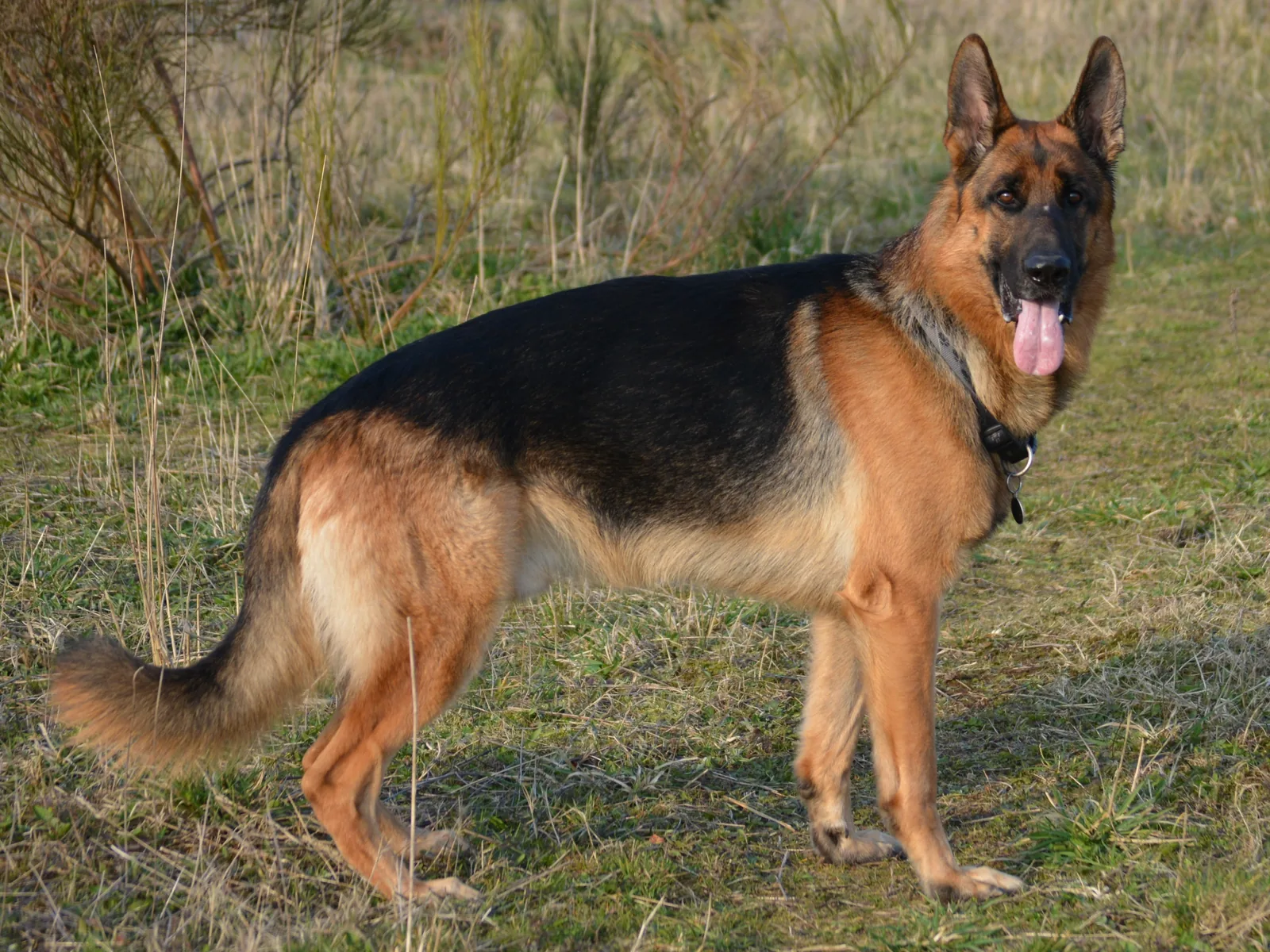
Quick facts
| Trait | Typical breed information |
|---|---|
| AKC group | Herding |
| Height | Males 24–26 in; females 22–24 in |
| Weight | Males 65–90 lb; females 50–70 lb |
| Life expectancy | 12–14 years |
| Exercise | High |
| Grooming | Moderate; heavy shedding |
| Training | High potential, needs consistency and purpose |
| Best fit | Active owners who want training to be part of daily life |
The German Shepherd Dog is popular because it can combine household companionship with serious working ability. That versatility is also the reason the breed should not be selected only because someone wants a dog that looks protective.
A stable German Shepherd needs exercise, training, socialization and thoughtful breeding.
Temperament
The desired picture is confident, steady and responsive to a handler—not indiscriminately suspicious. Working heritage can show up as alertness, environmental awareness and a strong desire to engage with people.
Poorly managed fearfulness should never be romanticized as "protective."
Exercise
Adult German Shepherds generally need substantial physical and mental activity. Useful outlets include brisk walking, hiking, tracking, scent work, obedience, structured retrieving and dog sports.
A backyard by itself does not exercise a working dog.
Training
Start early with socialization and household skills. Prioritize:
- neutral behavior around normal strangers and dogs;
- recall;
- leash control;
- settling;
- handling;
- visitor routines;
- impulse control.
Owners interested in protection sports or professional protection work should use qualified trainers. Do not teach a family pet indiscriminate aggression.
Grooming
German Shepherds shed heavily. Regular brushing helps manage dead coat, but it will not create a low-shedding dog.
Family fit
A well-matched German Shepherd can be deeply integrated into family life. The breed's size, energy and herding/working tendencies make supervision and training important around children and other animals.
Health and breeder selection
Ask for verifiable breed-appropriate health screening and stable temperament in the parents. Do not buy solely on unusually large size, extreme appearance or claims of "protection bloodlines."
Best for
- active owners who enjoy structured training;
- experienced households wanting a versatile working companion;
- owners comfortable managing shedding and a large dog.
Think twice if
- you mainly want an intimidating-looking pet;
- the household has little time for training;
- you want minimal shedding.