German Shepherd vs Belgian Malinois: Which Working Dog Fits You?
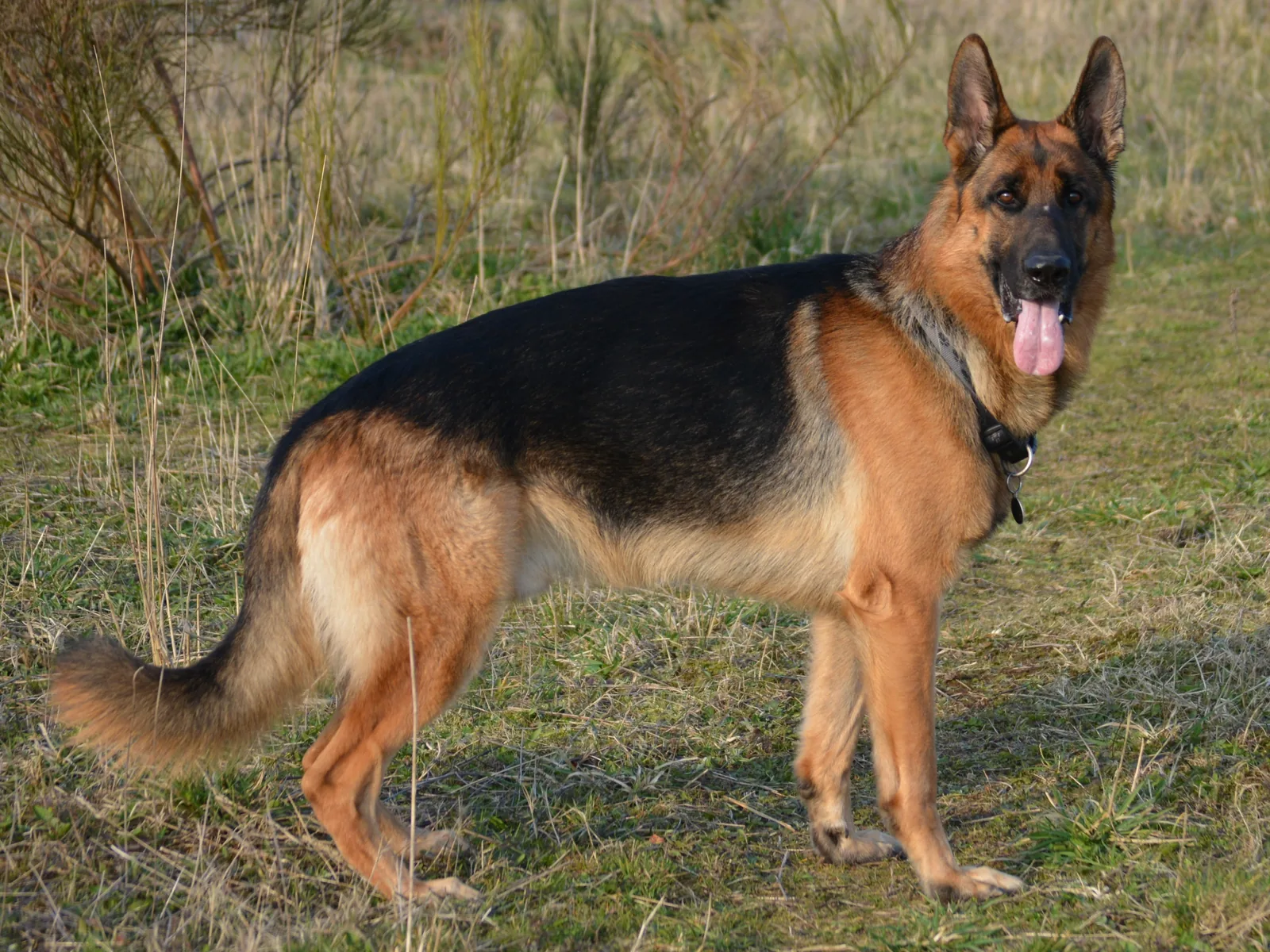
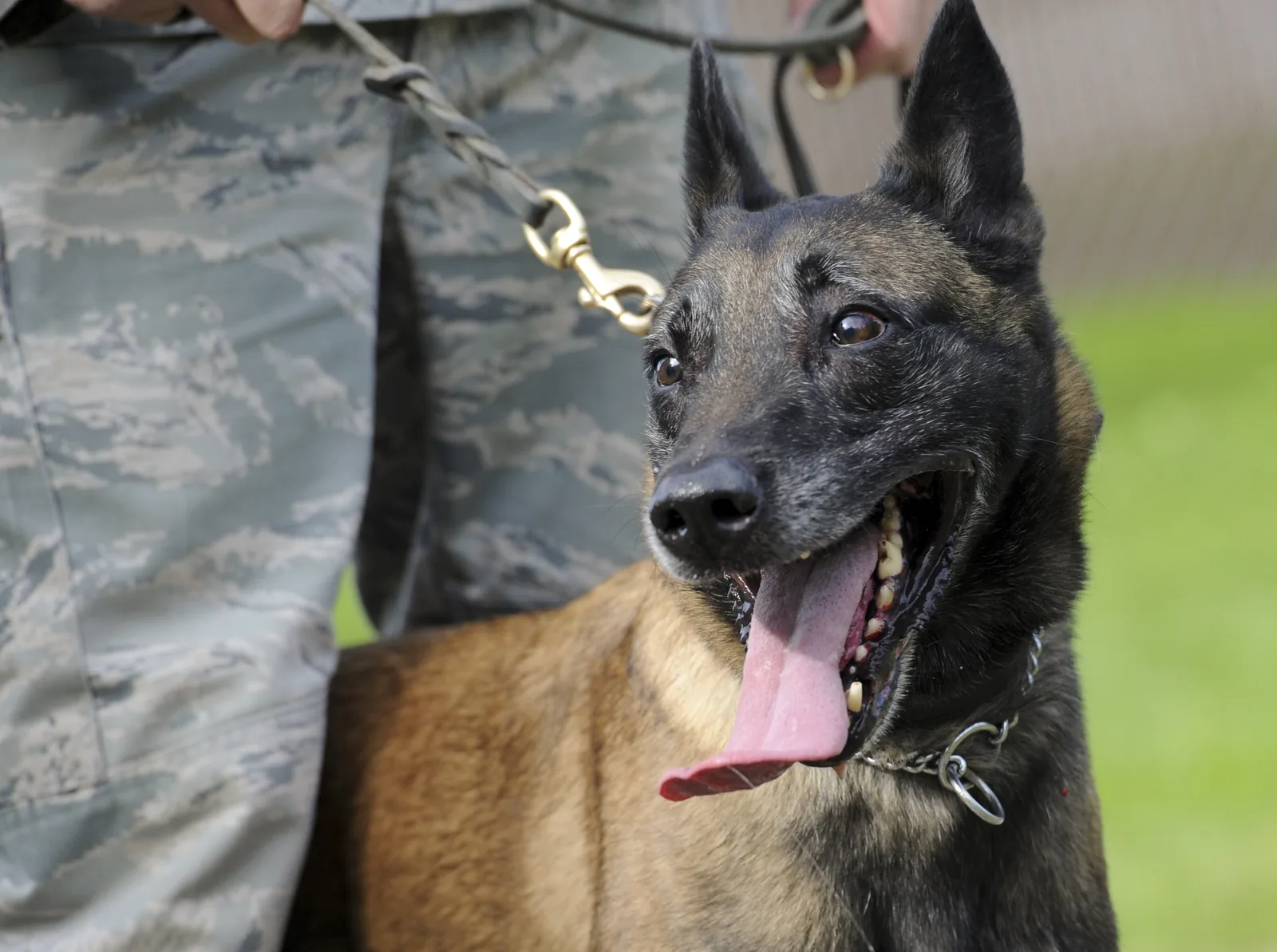
German Shepherd Dogs and Belgian Malinois are often compared because both are intelligent, athletic herding breeds that also appear in police, military, protection, detection and dog-sport work. They are not interchangeable, however.
For most experienced pet homes, the German Shepherd Dog is usually the more forgiving choice because well-bred individuals can combine serious working ability with a somewhat broader range of household lifestyles. The Belgian Malinois is generally the more intense, continuously driven and management-heavy choice, especially when bred from high-performance working lines.
Neither breed is a low-effort family pet. Both need purposeful training, exercise, socialization and an owner who enjoys working with a dog rather than simply living beside one.
Quick comparison
| Trait | German Shepherd Dog | Belgian Malinois |
|---|---|---|
| Overall build | Large, substantial, athletic | Lighter, very agile, square and athletic |
| Energy | High | Very high |
| Training drive | Very high | Extremely high in many lines |
| Mental stimulation need | High | Very high |
| Guarding potential | High | High |
| Grooming | Moderate; heavy seasonal shedding | Relatively simple; also sheds |
| Typical beginner suitability | Low–moderate with serious preparation | Low |
| Best fit | Active owners who want a versatile working companion | Experienced handlers wanting a high-drive working/sport dog |
Why people confuse them
Both breeds originated from European herding stock and were developed to work closely with people. Their intelligence, speed and responsiveness later made them useful far beyond livestock work.
The similarity is strongest when viewed from a distance: upright ears, athletic outline, alert expression and a reputation for working ability. In daily life, the difference in intensity can be much more important than the visual resemblance.
Temperament and everyday life
A good German Shepherd should be confident, steady and capable of working closely with a handler. The breed's versatility is one reason German Shepherds have been used in many roles, from service and scent work to sport and family companionship.
Belgian Malinois are also highly handler-oriented, but many have a faster, more intense operating style. They may notice movement quickly, react quickly and seek activity constantly. That can be impressive in training and exhausting in a household that expected a dog to settle after a casual walk.
The individual dog and breeding line matter enormously. A lower-drive show or companion-line Malinois may be easier than a very high-drive working German Shepherd. Do not choose solely by breed stereotype.
Training difficulty
Both breeds learn quickly. That does not automatically make either one easy.
Fast-learning dogs also learn unwanted habits quickly. If chasing, fence running, frantic ball obsession, leash pulling or barking is repeatedly rehearsed, intelligence can make those behaviors more efficient rather than less likely.
German Shepherd
A well-bred German Shepherd often gives an engaged owner a little more room for error. Many can work hard and still develop a useful household off-switch when their needs are met.
Belgian Malinois
A Malinois often rewards precise training and consistent structure. High-drive dogs can become frustrated when they lack outlets for movement, searching, problem solving and controlled work.
For a first-time owner who simply wants a loyal protective dog, a Malinois is rarely the sensible starting point.
Exercise
Both breeds need more than a backyard.
Good exercise can include:
- brisk walks;
- hiking;
- obedience;
- tracking or scent games;
- structured retrieving;
- agility or other dog sports;
- controlled running once physically mature and veterinary-cleared;
- problem-solving work.
Belgian Malinois frequently need more sustained intensity and more structured mental work than an average German Shepherd.
Family life and children
Either breed can live successfully with a family when temperament, socialization and management are appropriate. Neither should be chosen because someone wants a dog that will automatically “protect the children.”
Young herding dogs may chase, mouth or control movement. Large excited dogs can knock children over. Adults must supervise interactions and teach both dog and child appropriate boundaries.
For many ordinary family homes, the German Shepherd is the more realistic of the two, but only when the household is prepared for substantial exercise, shedding and training.
Guarding and protection
Both breeds can be naturally alert and can look imposing. That does not mean every individual has the temperament required for trained protection work.
Do not attempt to create aggression at home. Stable protection work requires careful selection, high obedience and professional training. A pet dog that barks at strangers is not automatically a trained protection dog.
Grooming
German Shepherds usually carry more coat and can shed heavily, especially seasonally. Expect frequent brushing and visible hair around the house.
Malinois also have a double coat and shed, but grooming is generally simpler because the coat is shorter.
Grooming advantage: Belgian Malinois.
Health and breeder selection
Responsible breeders should follow current breed-specific health-testing recommendations rather than simply saying their dogs “have never had problems.” Ask to see documented screening for the parents and verify it through appropriate registries or parent-club guidance where possible.
Also prioritize stable temperament. A spectacular sport pedigree is not useful to a family if the resulting dog is an unsuitable match for the household.
Which should you choose?
Choose a German Shepherd if:
- you want a highly trainable working companion but also value broader household adaptability;
- you enjoy frequent training and exercise;
- you can manage a large shedding dog;
- you are prepared to research breeders carefully.
Consider a Belgian Malinois if:
- you already understand high-drive working dogs;
- you want training and dog sport to be a major part of daily life;
- you have the time and skill to manage extreme energy and arousal;
- you are choosing the individual dog and line deliberately rather than because of online videos.
Bottom line
The German Shepherd is usually the more versatile choice for an experienced active household. The Belgian Malinois is usually the more specialized choice for an owner who wants a high-drive working or sport dog and understands exactly what that lifestyle involves.
Sources & further reading
Related reading
- 7 Best Guard Dog Breeds for Personal Protection and Security
- German Shepherd vs Rottweiler: Which Fits Your Life Better?
- Doberman vs German Shepherd: Which Is Better for You?
- Military Working Dog Breeds: The Dogs Behind Detection, Patrol and Search Missions
- 14 Fastest Dog Breeds — and What Makes Them So Quick