German Shepherd vs Rottweiler: Which Fits Your Life Better?
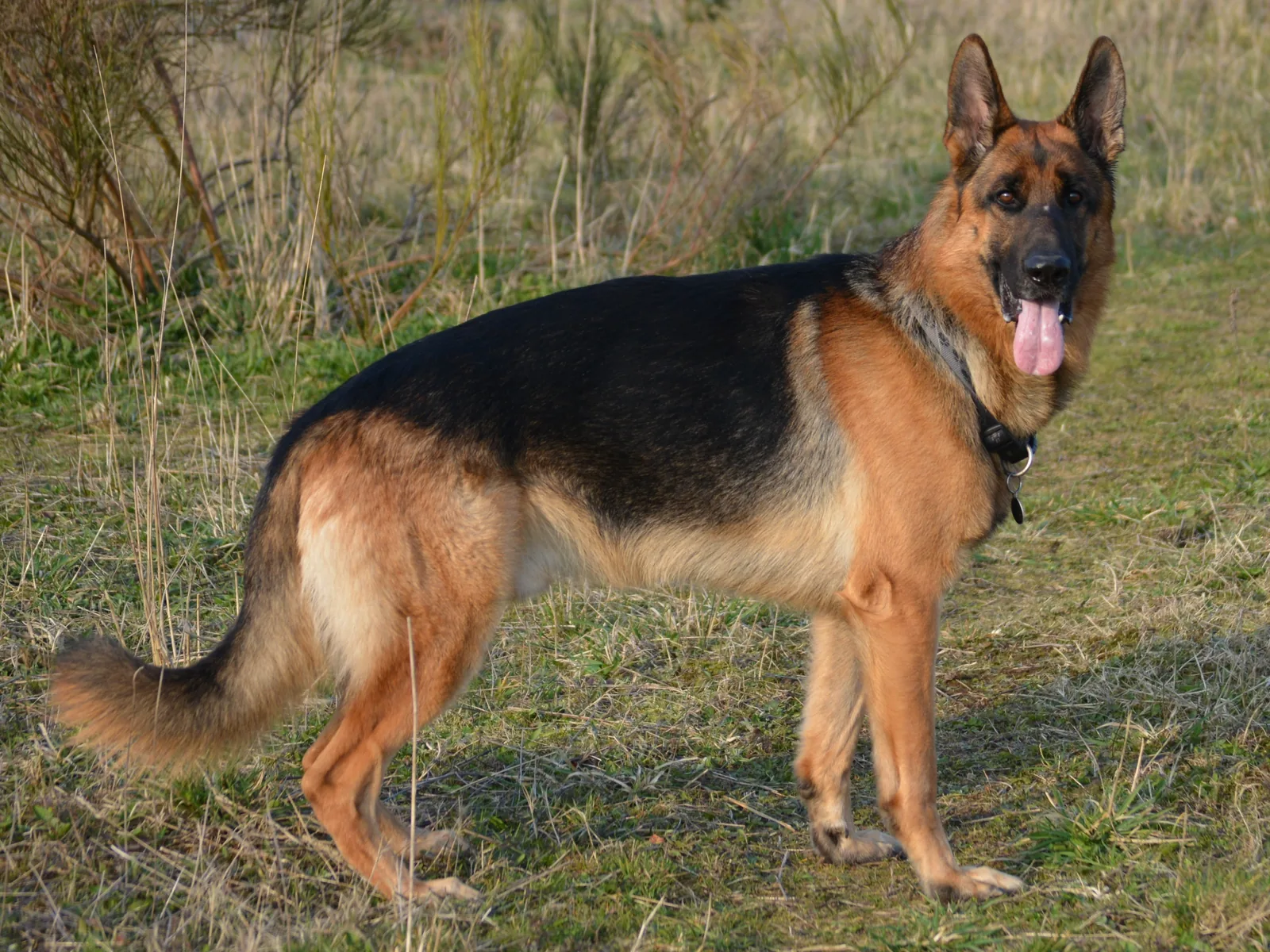
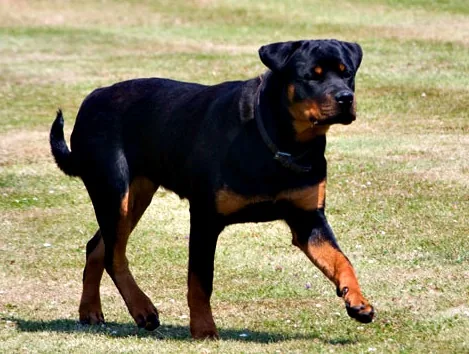
German Shepherds and Rottweilers are both large, intelligent working breeds with strong guarding potential, but they feel different to live with. A German Shepherd Dog is generally the more continuously active, handler-focused and versatile worker. A Rottweiler is heavier, physically stronger for its height and often feels more deliberate than frantic, but its power makes training mistakes expensive.
If you want a dog for advanced obedience, scent work, sport or an active training-centered lifestyle, the German Shepherd often has the edge. If you prefer a substantial guardian type and can confidently manage a powerful dog, a well-bred Rottweiler may suit you better.
Quick comparison
| Trait | German Shepherd Dog | Rottweiler |
|---|---|---|
| Size/feel | Large, athletic, longer outline | Large, compact, very powerful |
| Energy | High | Moderate–high |
| Trainability | Very high | High |
| Grooming | Heavy seasonal shedding; regular brushing | Shorter coat, still sheds |
| Guarding tendency | High | High |
| Need for mental work | Very high | High |
| Beginner suitability | Low–moderate with serious preparation | Low |
| Best ownership style | Active, training-heavy | Structured, confident, consistent |
Temperament
The German Shepherd was developed as an adaptable working dog able to cooperate closely with a handler. Good representatives of the breed are confident, attentive and capable of switching among different jobs.
Rottweilers also have a long working history, including livestock-driving and guarding roles. A stable adult often presents a calmer physical picture than a high-drive shepherd, but that should not be mistaken for passivity.
With both breeds, selection matters enormously. Poor breeding can amplify fearfulness, reactivity, orthopedic problems or unstable behavior. Do not choose solely on color, head size or the breeder's claim that a puppy comes from “protection lines.”
Training
German Shepherd
German Shepherds tend to learn quickly and often enjoy repeated structured interaction. That makes them rewarding for owners who genuinely like training—but also means an under-stimulated shepherd can invent its own activities.
Rottweiler
Rottweilers can be highly trainable but benefit from calm consistency. Because a mature dog can be extremely strong, leash manners, impulse control and cooperative handling should begin early.
Advantage: German Shepherd for owners interested in frequent advanced training; tie for basic household reliability when either dog is responsibly bred and trained.
Exercise and mental stimulation
Neither breed is a low-effort dog.
German Shepherds commonly need a combination of physical exercise and jobs for the brain: obedience, scent work, tracking, structured retrieving, hiking or sport.
Rottweilers also need activity but may be less relentlessly busy depending on the individual. Strength and body mass mean conditioning should be progressive, especially in growing dogs.
Advantage: Rottweiler if you want somewhat less constant motion; German Shepherd if you actively want a high-engagement training partner.
Guarding and home security
Both breeds can be naturally watchful and physically imposing. Neither needs amateur “aggression training” to become protective.
A household guardian should be able to:
- distinguish ordinary visitors from genuinely unusual situations;
- stay under handler control;
- tolerate veterinary and routine handling;
- move through public spaces safely;
- recover after startling events.
If you require actual personal-protection training, use a reputable professional.
Children and family life
Both breeds can live successfully with families, but size and drive matter.
A young German Shepherd may be exuberant, mouthy and inclined to chase movement. A Rottweiler can accidentally knock over a child simply because of mass. No breed label replaces supervision.
The better family choice is often the individual dog with the better temperament and the household with the better management plan.
Other dogs and cats
Compatibility varies by individual history and socialization. Do not assume either breed will automatically accept unfamiliar dogs or cats.
If cats are already in the home, prioritize a puppy or adult dog with suitable temperament and controlled introductions. Manage chasing from the beginning rather than waiting for it to become rehearsed behavior.
Grooming
German Shepherds have a double coat and can shed heavily. Expect regular brushing and noticeable seasonal coat loss.
Rottweilers have a shorter coat that is generally simpler to maintain, although they still shed.
Advantage: Rottweiler for grooming simplicity.
Health screening
Responsible breeders should follow breed-specific health-testing recommendations. For both breeds, orthopedic screening—especially hips and elbows—is important. Each breed also has additional recommended tests that should be checked against current parent-club/OFA or national kennel-club guidance.
Do not accept “the vet said the parents are healthy” as a substitute for documented recommended screening.
Apartment living
Either breed can technically live in an apartment if exercise, training and management are excellent, but neither is an easy apartment choice.
A shepherd's activity and alert barking can be challenging in dense housing. A Rottweiler's physical size and building/insurance restrictions can create different problems.
First-time owners
A highly committed first-time owner with professional support can succeed with some German Shepherds, but neither breed is a casual beginner recommendation.
Rottweilers' physical power pushes them further toward experienced ownership. German Shepherds' sensitivity, drive and reactivity risk can also overwhelm an unprepared owner.
Which should you choose?
Choose a German Shepherd if you want:
- more daily training interaction;
- a versatile sport/working partner;
- an athletic dog for active pursuits;
- a breed with strong handler focus.
Choose a Rottweiler if you want:
- a heavier, more physically imposing dog;
- a guardian type with somewhat less frantic energy;
- simpler coat care;
- and you are comfortable managing substantial strength.
Choose neither if you want a dog that can be left untrained, under-exercised and expected to “just guard the house.”
Bottom line
The German Shepherd generally wins for versatility and training intensity. The Rottweiler offers greater physical mass and often a more deliberate style. Both demand responsible breeding, socialization and ongoing training. The best dog is not the stronger breed—it is the stable individual whose needs fit your household.
Sources & further reading
- AKC — German Shepherd
- AKC — Rottweiler
- AKC — Training Advice
- Orthopedic Foundation for Animals (OFA)
- American Kennel Club
Questions for a breeder or rescue about German Shepherd vs Rottweiler: Which Fits Your Life Better?
Ask for examples rather than labels. In a German Shepherd vs Rottweiler: Which Fits Your Life Better? conversation, “friendly,” “protective” and “high energy” are too broad unless the person describes behavior around unfamiliar adults, children, dogs, handling, food, barriers and recovery after surprise. Ask how mature relatives behave, which health screening was completed, what the dog does after exercise, and what has been hardest in previous placements.
For an adult dog, request the foster or previous-home routine and ask what changes across environments. For a puppy, remember that adult size, social maturity and inherited work style have not appeared yet. Reputable placements welcome questions, discuss weaknesses without defensiveness and remain available after the dog goes home. Pressure, guarantees and refusal to share records are reasons to leave the German Shepherd vs Rottweiler: Which Fits Your Life Better? shortlist open.
Household scenarios to compare for German Shepherd vs Rottweiler: Which Fits Your Life Better?
| Scenario | What to observe | Why it changes the match |
|---|---|---|
| Visitors at the door | arousal, recovery and response to the handler | alert behavior can become difficult without a practiced routine |
| A rainy low-activity day | ability to settle after indoor enrichment | physical exercise cannot be the only route to calm |
| Passing dogs on leash | distance needed and ability to disengage | adult strength magnifies ordinary training gaps |
| Children or older adults | movement sensitivity and physical leverage | supervision must be realistic, not assumed |
| Grooming or veterinary handling | comfort with touch and restraint | routine care can become a recurring safety problem |
Use the German Shepherd vs Rottweiler: Which Fits Your Life Better? scenarios to identify the skill the household would need to teach, the management equipment required, and the consequence if either fails. One poor fit in a high-consequence scenario can outweigh several appealing traits.
Cost and care planning for German Shepherd vs Rottweiler: Which Fits Your Life Better?
Purchase price or adoption fee is only the entry cost. A German Shepherd vs Rottweiler: Which Fits Your Life Better? budget should include food at adult size, preventive veterinary care, insurance or an emergency reserve, training, secure containment, grooming tools or professional appointments, boarding, travel equipment and replacement of damaged items. Large and giant dogs can make medication, crates and transport materially more expensive, while long or specialized coats can shift cost into regular labor.
Ask what happens if the dog develops a chronic condition or needs behavior support. The honest answer may change the shortlist. Do not choose a candidate because routine expenses barely fit today; German Shepherd vs Rottweiler: Which Fits Your Life Better? should still work when veterinary, housing or care costs rise. A sustainable plan protects the dog from later rehoming and gives the household room to seek help early.
The first-month plan after choosing from German Shepherd vs Rottweiler: Which Fits Your Life Better?
Keep the first weeks predictable. A dog selected through German Shepherd vs Rottweiler: Which Fits Your Life Better? needs a quiet sleep area, a consistent toileting and feeding schedule, short reward-based lessons, controlled introductions and enough rest. Delay crowded outings and unrestricted greetings until you understand recovery, handling comfort and responses to the home. Management is not a substitute for training, but it prevents rehearsal of unsafe behavior while learning begins.
Record sleep, appetite, elimination, exercise, triggers and the time needed to settle. Share sudden changes with a veterinarian and emerging behavior risks with an appropriately qualified professional. Revisit the assumptions that led to the German Shepherd vs Rottweiler: Which Fits Your Life Better? choice after two and four weeks. Adjust the plan to the individual in front of you rather than trying to make the dog match a breed summary.
A final trade-off record for German Shepherd vs Rottweiler: Which Fits Your Life Better?
Before deciding, give every remaining candidate one strongest advantage, one hardest daily requirement and one failure mode. For German Shepherd vs Rottweiler: Which Fits Your Life Better?, a failure mode might be escape, conflict with another animal, grooming that is repeatedly postponed, exercise needs that exceed the weekday schedule, or strength that one household member cannot manage. Write the prevention and backup for each one. If the backup depends on perfect weather, unlimited money or a single person never being unavailable, it is not robust enough.
Keep the record after placement. It becomes a practical reminder of why training, fencing, health screening or coat care mattered. The exercise also helps separate a passing preference from a durable match. German Shepherd vs Rottweiler: Which Fits Your Life Better? is useful when it makes the trade-offs clearer, not when it creates pressure to choose a winner.
Review point for German Shepherd vs Rottweiler: Which Fits Your Life Better?
Set a date to revisit the decision and name the observation that would bring the review forward. For German Shepherd vs Rottweiler: Which Fits Your Life Better?, a meaningful trigger might be discomfort, repeated equipment failure, a change in health or behavior, a household routine that no longer meets the dog's needs, or reliable new evidence. Record the current choice and its largest accepted limitation so the later review compares reality with the reason for choosing it.
A review is not an admission that the first decision failed. Dogs, products, services and households change. Keep what continues to work, replace assumptions with direct observation and involve a veterinarian or appropriately qualified professional when health, welfare or serious behavior is involved. German Shepherd vs Rottweiler: Which Fits Your Life Better? remains useful only while the plan is safe for the individual dog and sustainable for the people responsible for it.
Share the plan for German Shepherd vs Rottweiler: Which Fits Your Life Better?
Make sure every person who handles the dog understands the same cues, fit checks, boundaries and stop rules. In German Shepherd vs Rottweiler: Which Fits Your Life Better?, inconsistent handling can make an ordinary difficulty look unpredictable. Write a short handoff note covering the routine, the dog's known sensitivities, the backup equipment or contact, and the signs that mean the session should end. Test whether another adult can follow it without verbal explanation.
Include sitters, walkers and family members who may encounter the difficult scenario. Store emergency contacts and current care information where they can be found without unlocking this page. A shared plan reduces preventable mistakes and reveals when the proposed solution depends too heavily on one person's skill. That is a practical final check before relying on the recommendation in German Shepherd vs Rottweiler: Which Fits Your Life Better?.
Related reading
- 7 Best Guard Dog Breeds for Personal Protection and Security
- Doberman vs German Shepherd: Which Is Better for You?
- 11 Dog Breeds That Can Be Good With Cats
- 13 Dog Breeds That Can Be Good for First-Time Owners
- Military Working Dog Breeds: The Dogs Behind Detection, Patrol and Search Missions