Tibetan Mastiff: Temperament, Guarding, Training, Health & Owner Fit
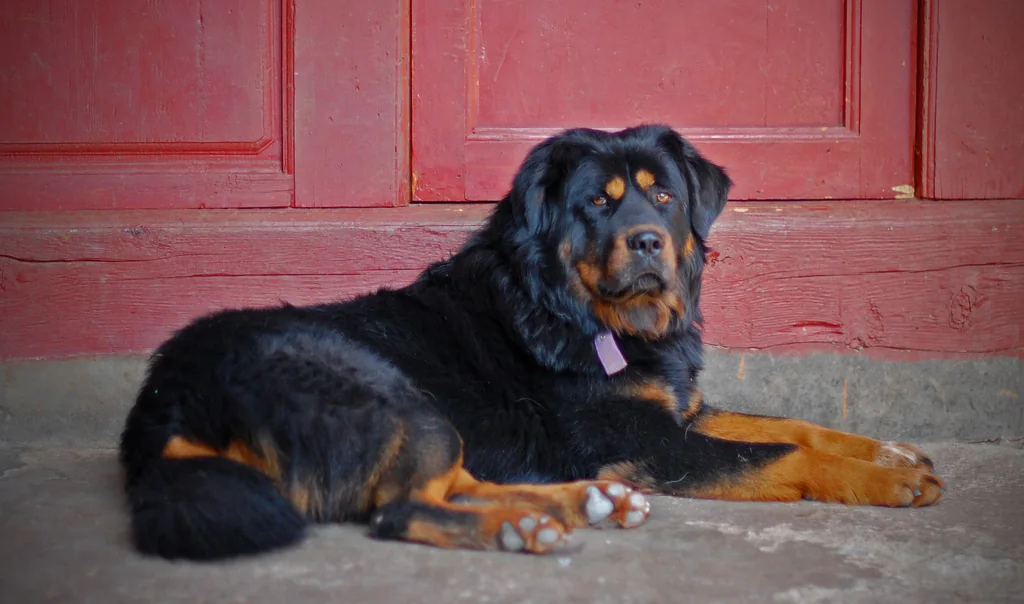
The Tibetan Mastiff is not simply a very large fluffy dog. It is an ancient guardian breed shaped to watch territory and make decisions with substantial independence.
That history explains why the breed can feel calm at one moment and intensely alert at another. It also explains why traditional obedience expectations do not always fit.
Quick profile
| Trait | Practical level |
|---|---|
| Size | giant |
| Guardian instinct | very high |
| Independence | very high |
| Exercise | moderate for many adults |
| Barking | potentially high |
| Grooming | high/seasonal heavy shedding |
| Trainability | intelligent but independent |
| First-time fit | poor |
| Apartment/suburban density | often difficult |
Temperament
AKC describes the breed as watchful, aloof and territorial with strangers while devoted to family.
The key word for ownership is independent. Livestock guardian breeds were not designed to wait for constant human instructions before noticing a potential threat.
Guarding and barking
Many Tibetan Mastiffs are naturally alert to sounds and changes around property. Nighttime barking can be particularly challenging in dense neighborhoods.
Do not buy one and then expect to train every guardian instinct out of it.
Training should prioritize:
- leash handling;
- recall within realistic limits;
- cooperative care;
- gates/doors;
- visitor management;
- settling;
- calm exposure;
- muzzle comfort;
- reliable routines.
Harsh confrontation with a giant independent guardian can make conflict worse.
Exercise
Many adults are not endurance sport dogs, but they still need daily movement, healthy body condition and opportunities to explore safely.
Puppies require sensible growth management and should not be forced into repetitive high-impact exercise.
Family life
A Tibetan Mastiff can be affectionate with its own household, but frequent visitors and chaotic social traffic can be difficult.
Children and giant dogs require supervision. The dog must have a secure place to retreat.
Other animals
Livestock-guardian background can support coexistence with household animals in some individuals, especially when raised appropriately, but there are no guarantees.
Dog-dog relationships vary.
Coat and climate
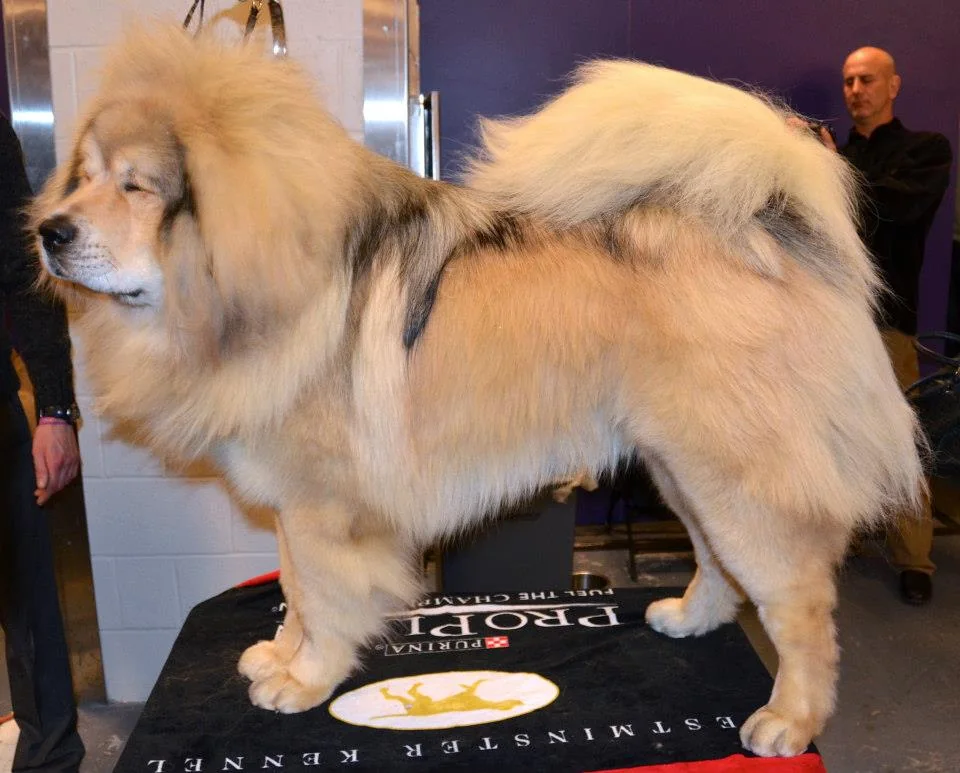
The dense double coat is adapted for cold conditions and sheds heavily seasonally. Grooming becomes a major event during coat blow.
Heat management is important. Provide shade, cool rest, water and avoid heavy activity in hot weather.
Health screening
AKC notes responsible breeders screen Tibetan Mastiffs for conditions including hip and elbow dysplasia. OFA's breed-specific CHIC resources should be checked for current requirements.
Do not treat a CHIC number as a guarantee that every result is normal; OFA explains that CHIC indicates the required tests were performed and made public.
Who should get a Tibetan Mastiff?
Good fit:
- experienced guardian-breed owner;
- secure property;
- tolerance for barking and independence;
- climate/home suited to giant coated dog;
- realistic visitor management.
Poor fit:
- first dog;
- apartment with noise-sensitive neighbors;
- frequent parties/visitors;
- off-leash lifestyle;
- wants eager repetitive obedience.
FAQ
Is a Tibetan Mastiff a good guard dog?
Guarding is central to the breed's history and temperament. The challenge is managing that instinct responsibly.
Are Tibetan Mastiffs aggressive?
Breed cannot predict an individual. They can be territorial and aloof, which requires careful breeding, socialization and management.
Do Tibetan Mastiffs need huge amounts of exercise?
They generally do not have the same continuous exercise profile as a Malinois, but they still need daily movement and mental/environmental engagement.
Are they good for first-time owners?
Usually not. Giant size plus territorial independence creates a steep learning curve.