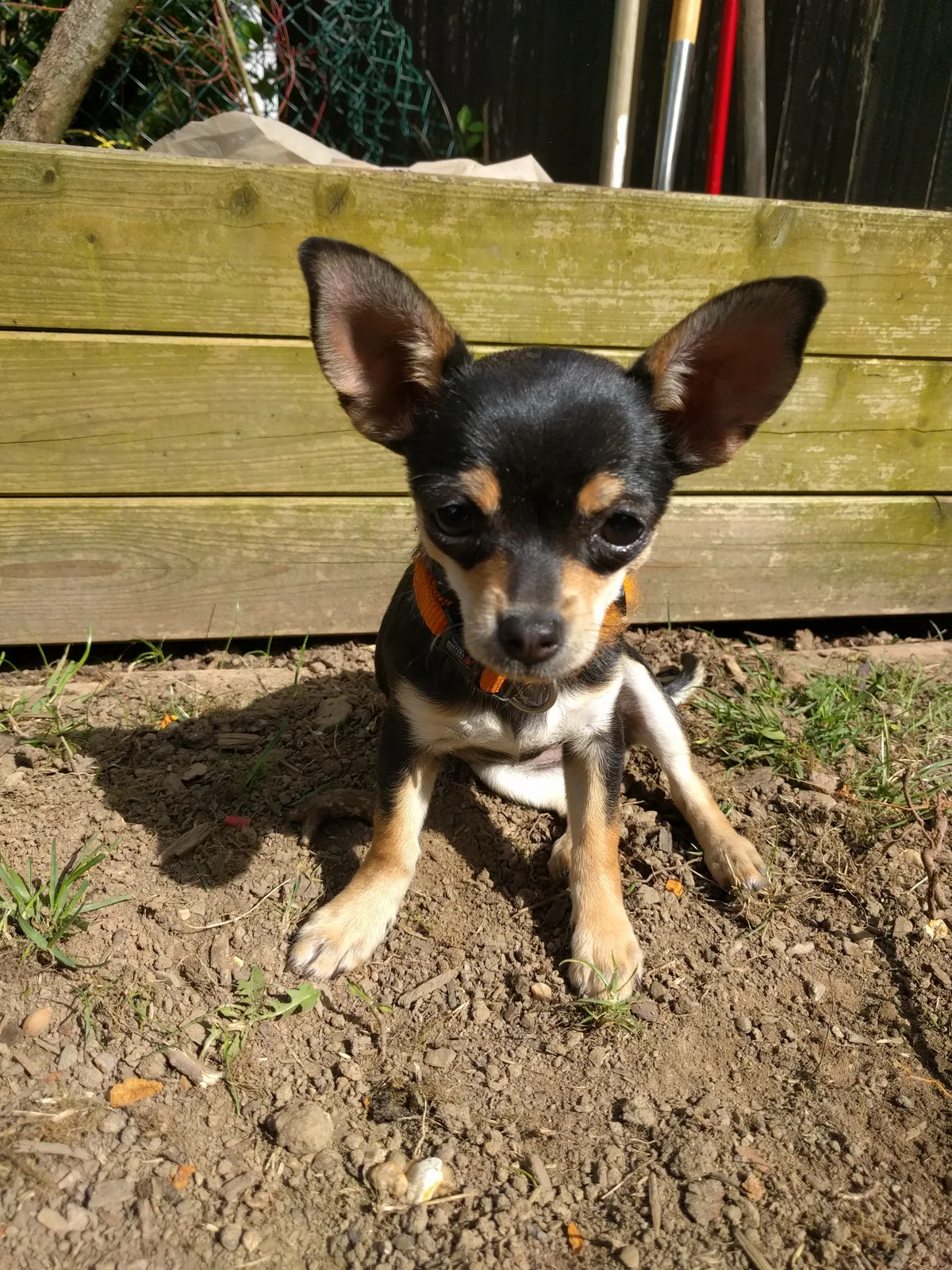
Best Dogs for Apartments: 12 Breeds That Can Fit Smaller Homes
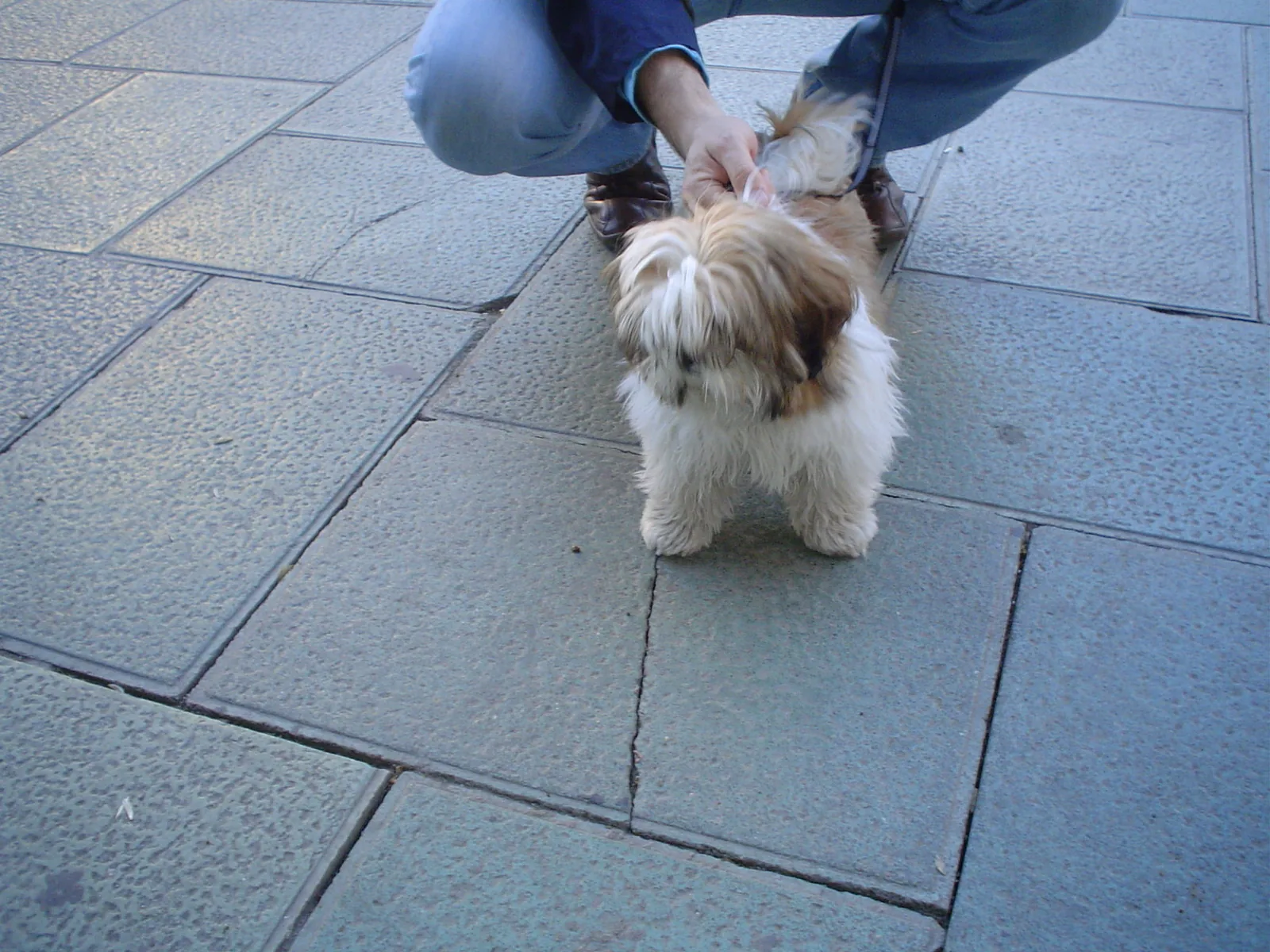
The best apartment dog is not necessarily the smallest dog. Energy level, barking, ability to settle indoors, exercise needs and your building rules matter at least as much as body size. Some small terriers are extremely busy; some larger sighthounds are surprisingly quiet indoors after appropriate exercise.
This list is a starting point, not a guarantee. Individual temperament, age and training can matter more than breed averages.
What makes a dog apartment-friendly?
Look for a combination of:
- ability to settle indoors;
- manageable exercise needs;
- reasonable barking with training;
- suitability for elevators, hallways and shared entrances;
- tolerance of close neighborhood activity;
- size that fits your actual space and building rules;
- grooming you can realistically maintain.
A balcony is not a substitute for walks and enrichment.
Quick comparison
| Breed | Size | Indoor activity | Barking risk | Grooming | Key consideration |
|---|---|---|---|---|---|
| Bichon Frise | Small | Moderate | Moderate | High | Coat care |
| Havanese | Small | Moderate | Moderate | High | Companionship needs |
| Maltese | Toy | Moderate | Moderate | High | Coat/dental care |
| Shih Tzu | Toy | Low–moderate | Low–moderate | High | Heat/brachycephalic health |
| Miniature Poodle | Small | Moderate–high | Moderate | High | Needs mental work |
| Whippet | Medium | Moderate | Often low | Low | Needs safe sprint outlets |
| Greyhound | Large | Moderate | Often low | Low | Building size/rules |
| Cavalier King Charles Spaniel | Small | Moderate | Often manageable | Moderate | Breed health screening is important |
| Tibetan Spaniel | Small | Moderate | Can alert-bark | Moderate | Independent alertness |
| Japanese Chin | Toy | Low–moderate | Often manageable | Moderate | Heat/face structure |
| Basset Hound | Medium | Low–moderate | Can vocalize | Low–moderate | Weight/ear care and stairs |
| Miniature Schnauzer | Small | Moderate–high | Can be vocal | Moderate–high | Training barking |
1. Bichon Frise
Bichons are small, sociable companion dogs that can fit well into apartments when they receive daily walks and play. Their main ownership commitment is grooming rather than extreme exercise.
Best for: people who want a cheerful small companion.
Watch for: coat maintenance and separation habits.
2. Havanese
Havanese are compact companion dogs that often adapt well to smaller homes. They typically enjoy being involved with their people, so an apartment owner who is rarely home should think carefully about the daily schedule.
Best for: households wanting a social companion.
Watch for: grooming and alone-time training.
3. Maltese
The Maltese packs a lot of personality into a small body. Exercise needs are manageable, but coat and dental care deserve attention.
Best for: small homes and owners comfortable with grooming.
Watch for: fragile size around rough play.
4. Shih Tzu
Shih Tzu were developed as companion dogs and often fit an indoor lifestyle well. They do not need endurance-level exercise.
The short muzzle means heat and breathing deserve special consideration. Apartment suitability should never be used as an excuse to ignore brachycephalic health.
Best for: indoor companion homes.
Watch for: grooming, eyes and heat.
5. Miniature Poodle
Miniature Poodles are intelligent and trainable. Their small footprint suits an apartment, but their brains still need work.
Best for: owners who want to train and interact.
Watch for: grooming and boredom.
6. Whippet
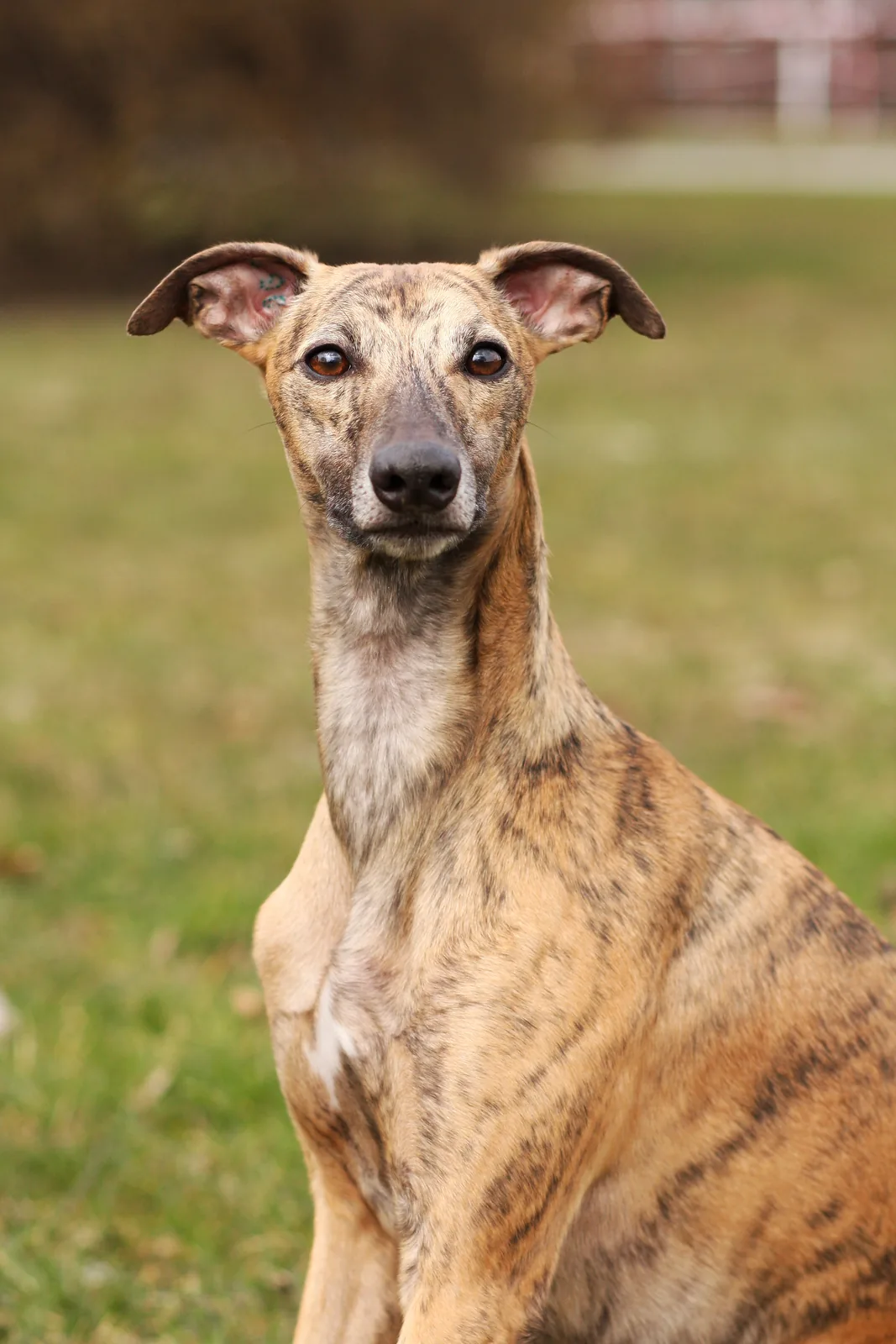
Whippets illustrate why size alone is misleading. They are athletic sprinters but many settle very well indoors after appropriate exercise.
They still need secure opportunities for movement and should not simply be released off leash in unsafe unfenced areas.
Best for: owners who can provide daily walks and occasional safe running.
Watch for: prey drive and cold sensitivity.
7. Greyhound
A Greyhound is physically large but can be surprisingly compatible with apartment life when exercise needs, stairs/elevators and building rules are manageable.
Retired racing Greyhounds vary in experience with household environments, so transitions may need patience.
Best for: larger apartments/buildings that allow big dogs.
Watch for: prey drive, size and safe exercise.
8. Cavalier King Charles Spaniel
Cavaliers are small companion dogs that often adapt readily to indoor family life. Their important downside is health: prospective owners should investigate current breed-specific screening carefully, especially cardiac recommendations.
Best for: owners seeking an affectionate small companion.
Watch for: responsible health selection.
9. Tibetan Spaniel
Tibetan Spaniels are small companions with an alert streak. They can fit small homes but may notice hallway noises and visitors.
Best for: people who like a small, slightly independent companion.
Watch for: alert barking.
10. Japanese Chin
Japanese Chin are compact companion dogs with modest exercise requirements. Like other short-faced breeds, they require heat awareness and careful health selection.
Best for: calm indoor households.
Watch for: brachycephalic/eye considerations and heat.
11. Basset Hound
Basset Hounds are larger and heavier than many people expect, but they generally do not require extreme daily exercise. Their vocal hound nature may be a bigger apartment issue than energy.
Best for: ground-floor/elevator homes where size is allowed.
Watch for: stairs, weight, ears and vocalization.
12. Miniature Schnauzer
Miniature Schnauzers are compact and adaptable, but many are alert and vocal. A proactive barking plan matters in shared-wall housing.
Best for: active owners who want a trainable small dog.
Watch for: noise and grooming.
Breeds that can be harder in apartments
A breed is not automatically unsuitable because it is energetic, but high-drive dogs can require far more daily management in a small urban home. Border Collies, many huskies, Belgian Malinois and other intense working breeds can live in apartments only when the owner intentionally meets their needs.
Do not choose a dog based on square footage alone.
Questions to ask before bringing a dog home
- Does the building allow this breed/size?
- How many hours will the dog be alone?
- Is barking likely to create neighbor conflict?
- Are there elevators or many stairs?
- Where will daily exercise happen?
- Can you afford grooming if required?
- What happens when the weather is too hot/cold for long outdoor exercise?
Bottom line
Apartment living works best when the dog can settle indoors and the owner reliably provides exercise, training and social opportunities outside the apartment. Size matters, but energy, noise and lifestyle fit matter more.
Sources & further reading
Related reading
- 7 Quiet Small Dog Breeds for Calmer Homes
- 13 Dog Breeds That Can Be Good for First-Time Owners
- 7 Dog Breeds That May Handle Alone Time Better
- 9 Dog Breeds That Look Like Shih Tzu
Popular breed profiles