Chinese Toy & Companion Dog Breeds: 7 Small Breeds With Imperial Roots
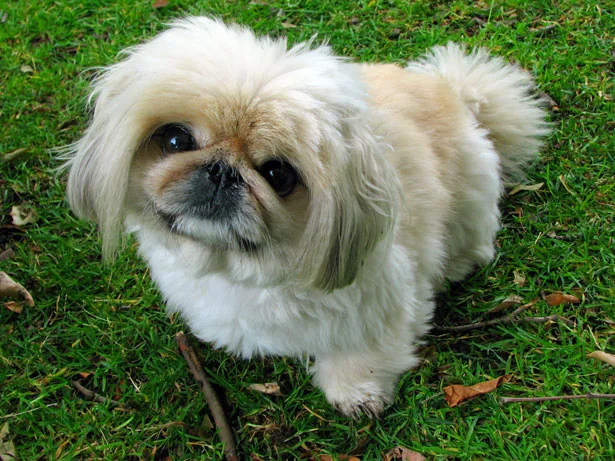
China has contributed far more to dog history than one visual type. Some Chinese breeds became palace companions; others were guardians, hunting dogs or utility dogs.
This guide narrows the subject to small companion and toy breeds associated with China, so it complements—rather than replaces—the site's broad Chinese dog breed guide.
1. Pekingese
Pekingese were created as compact companions associated with imperial China. Their lion-like coat, rolling gait and independent dignity make them visually distinctive.
Modern ownership trade-offs include:
- extensive coat care;
- eye protection;
- heat sensitivity;
- brachycephalic breathing concerns;
- modest but still necessary daily activity.
Choose functional breathing and movement over extreme exaggeration.
2. Shih Tzu
Shih Tzu are companion dogs with deep historical association with Tibet/China and Chinese court culture. They are people-oriented, portable and generally not endurance dogs.
The coat is high maintenance unless clipped shorter. Eyes, teeth, heat and breathing deserve attention.
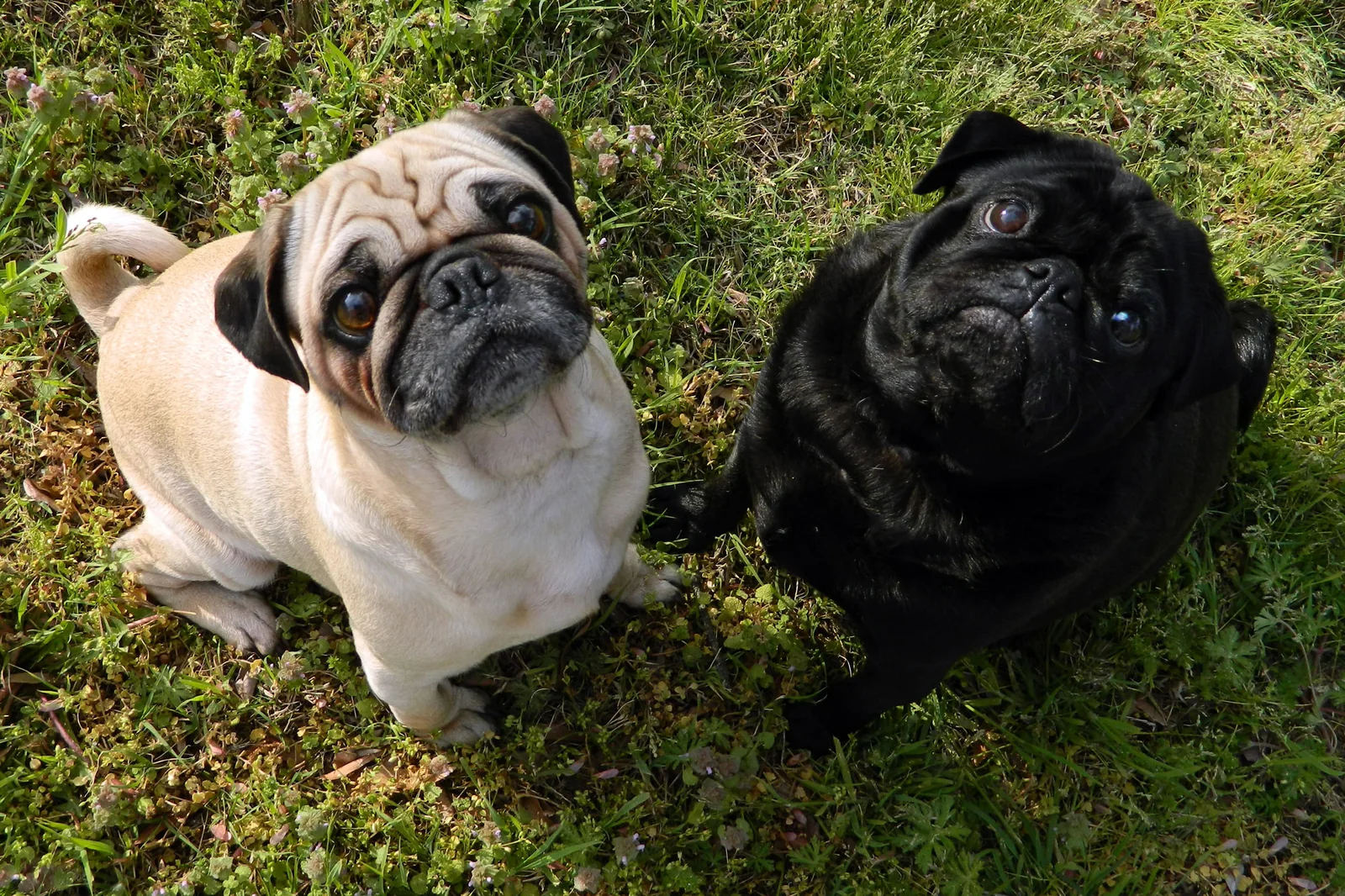
Pugs were companions of Chinese emperors before the breed became established in Europe and around the world.
They are social, solid little dogs, but their extremely short muzzle makes respiratory function, heat and weight management central health considerations.
A Pug should not be selected because inability to exercise sounds convenient.
4. Chinese Crested
Chinese Cresteds come in hairless and coated Powderpuff varieties. Their appearance is unlike most other toy dogs.
Hairless dogs need skin care and sun awareness, while Powderpuffs need coat maintenance. Both are companion dogs that still benefit from normal walking and training.
5. Tibetan Spaniel
Despite the name, Tibetan Spaniels are not spaniels in the sporting sense. They are small companion/watch dogs associated with Tibetan monasteries.
They tend to be alert and somewhat independent and may enjoy observing the world from high furniture or windows.
6. Lhasa Apso
Lhasa Apsos originated in Tibet and historically served as indoor sentinels as well as companions. They can be more independent and reserved than the stereotype of a soft lap dog suggests.
The coat can require extensive grooming.
7. Japanese Chin — why it belongs in the discussion carefully
The Japanese Chin's early history is connected with East Asian court culture and there are historical accounts involving China, Korea and Japan. Modern breed identity is Japanese, so it is not a Chinese breed in the strict sense. It appears here as historical context for the wider East Asian court-companion tradition, not as one of the core Chinese breeds.
Companion breed does not mean maintenance-free
Small palace companions can carry:
- demanding coats;
- brachycephalic anatomy;
- dental crowding;
- eye vulnerability;
- social dependence;
- alert barking.
Compare health and daily care before appearance.
Chinese companion breeds vs Chinese guardians
A Pekingese and a Tibetan Mastiff share geographic history but almost nothing about daily ownership. For the powerful working and guardian end of the same regional tradition, see the dedicated Chinese guardian and working dog breeds guide.
FAQ
What is the small Chinese dog with a flat face?
Pekingese, Shih Tzu and Pugs are among the best-known small, short-muzzled breeds with Chinese historical roots.
Is the Chinese Crested always hairless?
No. The breed includes hairless dogs and fully coated Powderpuffs.
Is a Tibetan Spaniel from China?
Its historical origin is Tibet. Modern geographic and cultural labeling should be handled carefully rather than flattening Tibetan history into a generic "Chinese breed" label.