13 Chinese Dog Breeds: Origins, Temperament and What They're Like to Own
China has produced or helped shape some of the world's most recognizable companion and guardian dogs—from the compact Pekingese to the imposing Tibetan Mastiff. But “Chinese dog breed” can become historically imprecise when Tibetan-origin breeds are grouped under a modern national label, so this guide separates breeds developed in China proper from breeds historically associated with Tibet and the Chinese imperial courts.
That distinction matters because dog-breed history crosses modern borders, political systems and kennel-club classifications. The goal here is practical: identify the breeds readers commonly encounter under “Chinese breeds,” explain their background carefully and show how different they are to own.
At a glance
| Breed | Traditional origin/association | Size | Typical ownership theme |
|---|---|---|---|
| Chow Chow | China | Medium–large | Independent, dignified companion/guardian |
| Chinese Shar-Pei | Southern China | Medium | Loyal, reserved, distinctive skin and coat |
| Pekingese | Chinese imperial court | Toy | Companion, confident personality |
| Pug | Strong historical Chinese association | Toy | Sociable companion; flat-face health considerations |
| Shih Tzu | Tibet/Chinese imperial development | Toy | Companion; substantial coat care |
| Chinese Crested | Long Chinese association; early origin debated | Toy | Hairless/powderpuff companion |
| Tibetan Mastiff | Tibet/Himalayan region | Giant | Independent guardian; advanced ownership |
| Tibetan Spaniel | Tibet | Small | Alert companion and traditional sentinel |
| Tibetan Terrier | Tibet | Small–medium | Companion/watchdog; heavy coat |
| Lhasa Apso | Tibet | Small | Traditional indoor sentinel; long coat |
| Chongqing Dog | China | Medium | Rare indigenous Chinese breed/type; limited global recognition |
| Xiasi Dog | Guizhou, China | Medium | Rare regional hunting/working dog |
| Kunming Dog | China | Medium–large | Modern Chinese working-dog development |
The final three have much less internationally standardized public data than AKC-recognized breeds. Do not present uncertain details as universally agreed breed facts.
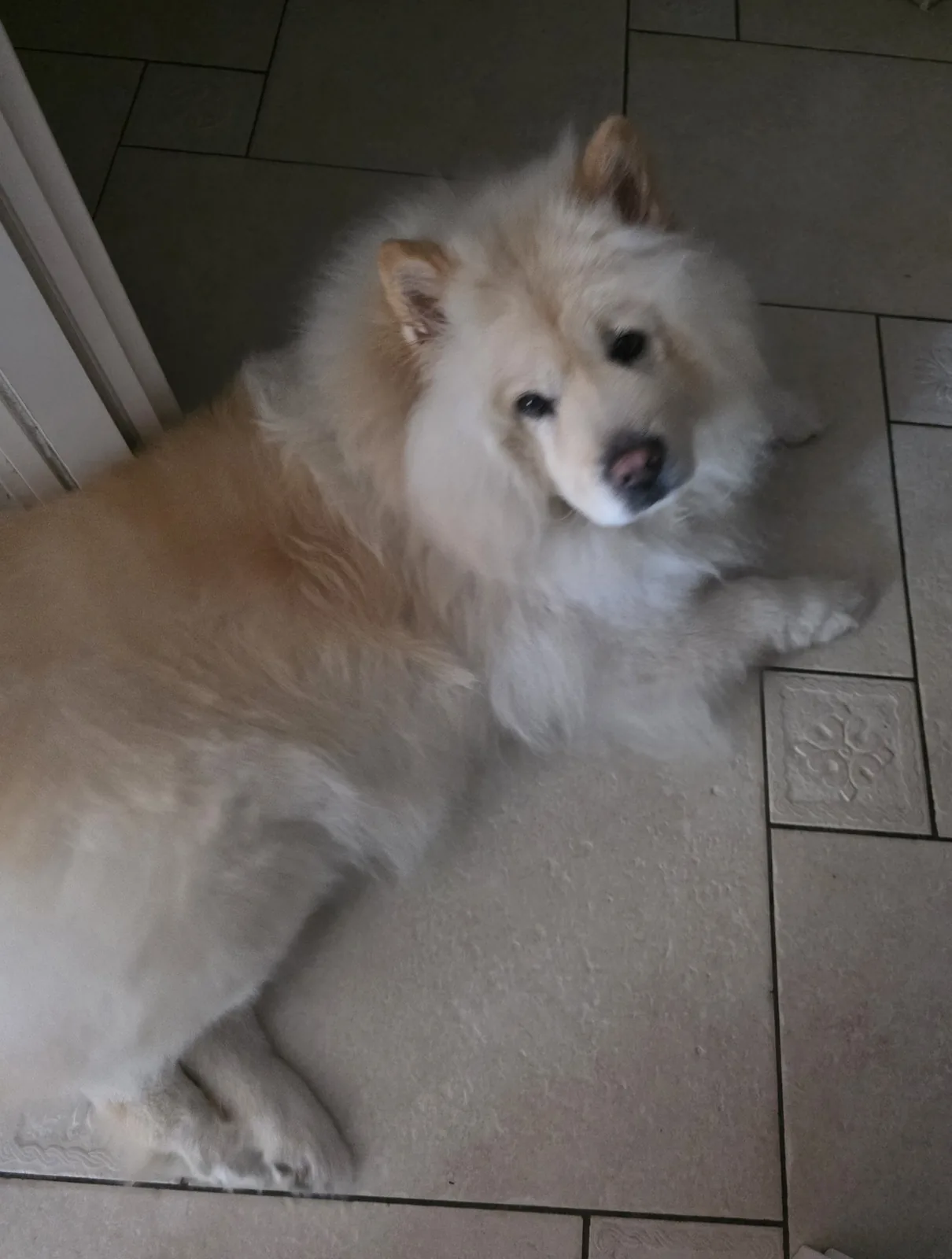
1. Chow Chow
The Chow Chow is one of the best-known ancient Chinese breeds. Its square, powerful outline, dense coat and blue-black tongue make it immediately recognizable. Historically, Chow-type dogs served multiple functions, including guarding and hunting.
A Chow is often more reserved and independent than the stereotypical eager-to-please family dog. That does not mean it should be antisocial. Early positive exposure and calm training are important precisely because a naturally reserved dog needs to learn what ordinary human life looks like.
Best fit: owners who appreciate independence and are willing to socialize deliberately.
Main commitment: coat care, heat management and training without expecting retriever-like enthusiasm.
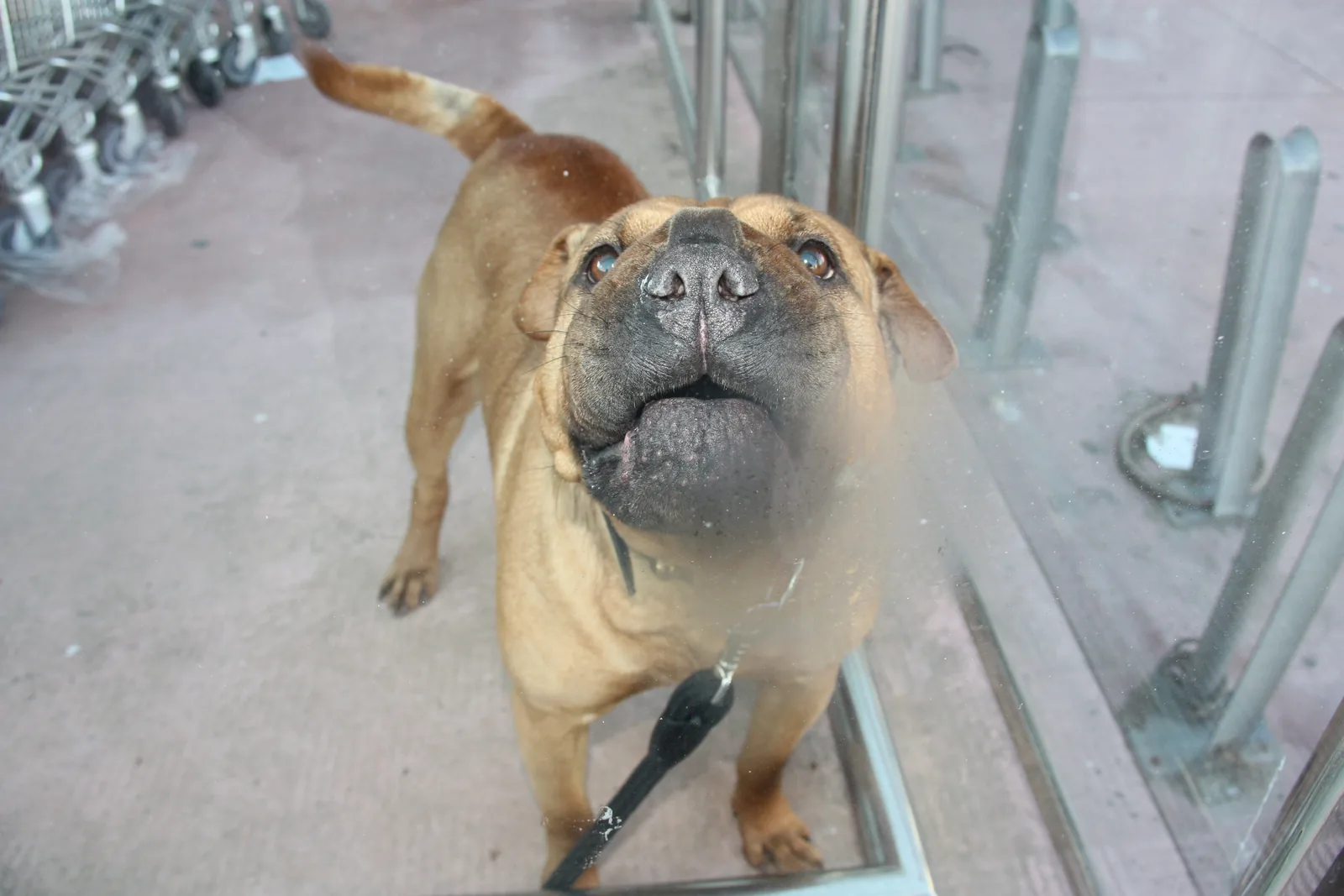
2. Chinese Shar-Pei
The Chinese Shar-Pei is associated with southern China and is famous for loose skin, small ears and a distinctive profile. The breed's history includes farm and guarding functions.
Modern ownership requires special attention to health. Skin folds themselves should not be treated as a novelty without considering the dermatologic and eye issues that can affect some dogs. Responsible breeders should be able to discuss breed-specific screening and the health of their lines.
Best fit: an owner who likes a loyal, somewhat reserved dog.
Main commitment: careful breeder selection, skin/eye awareness and early socialization.
3. Pekingese
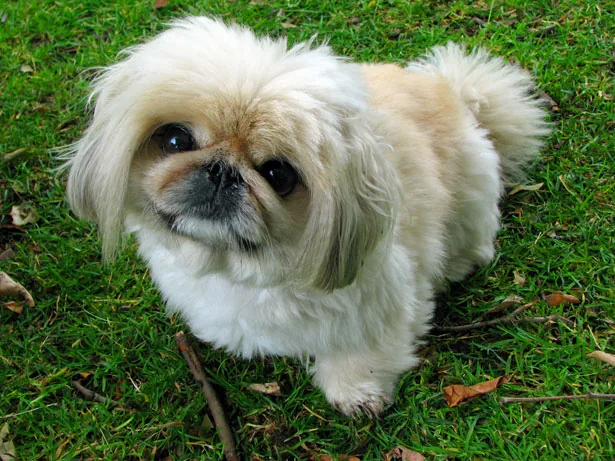
The Pekingese was developed as a treasured companion in China's imperial court. Despite toy size, the breed is known for confidence rather than fragility of personality.
The long coat requires maintenance, and the shortened muzzle means heat and breathing deserve special attention. Exercise should match the individual dog's anatomy and fitness rather than trying to turn a flat-faced toy breed into an endurance athlete.
Best fit: households wanting a small companion with a self-possessed personality.
Main commitment: grooming, heat awareness and responsible brachycephalic health selection.
4. Pug
Pugs have a deep association with China and later became prominent companion dogs in Europe. They are typically people-oriented and expressive, which helps explain their continuing popularity.
The biggest ownership issue is not personality but anatomy. Pugs are brachycephalic. Breathing difficulty, heat intolerance and eye problems can occur, and prospective owners should prioritize health and functional structure over exaggerated appearance.
Best fit: a companion-focused household prepared to manage heat and weight carefully.
Main commitment: respiratory/eye awareness and choosing health-conscious breeding.
5. Shih Tzu
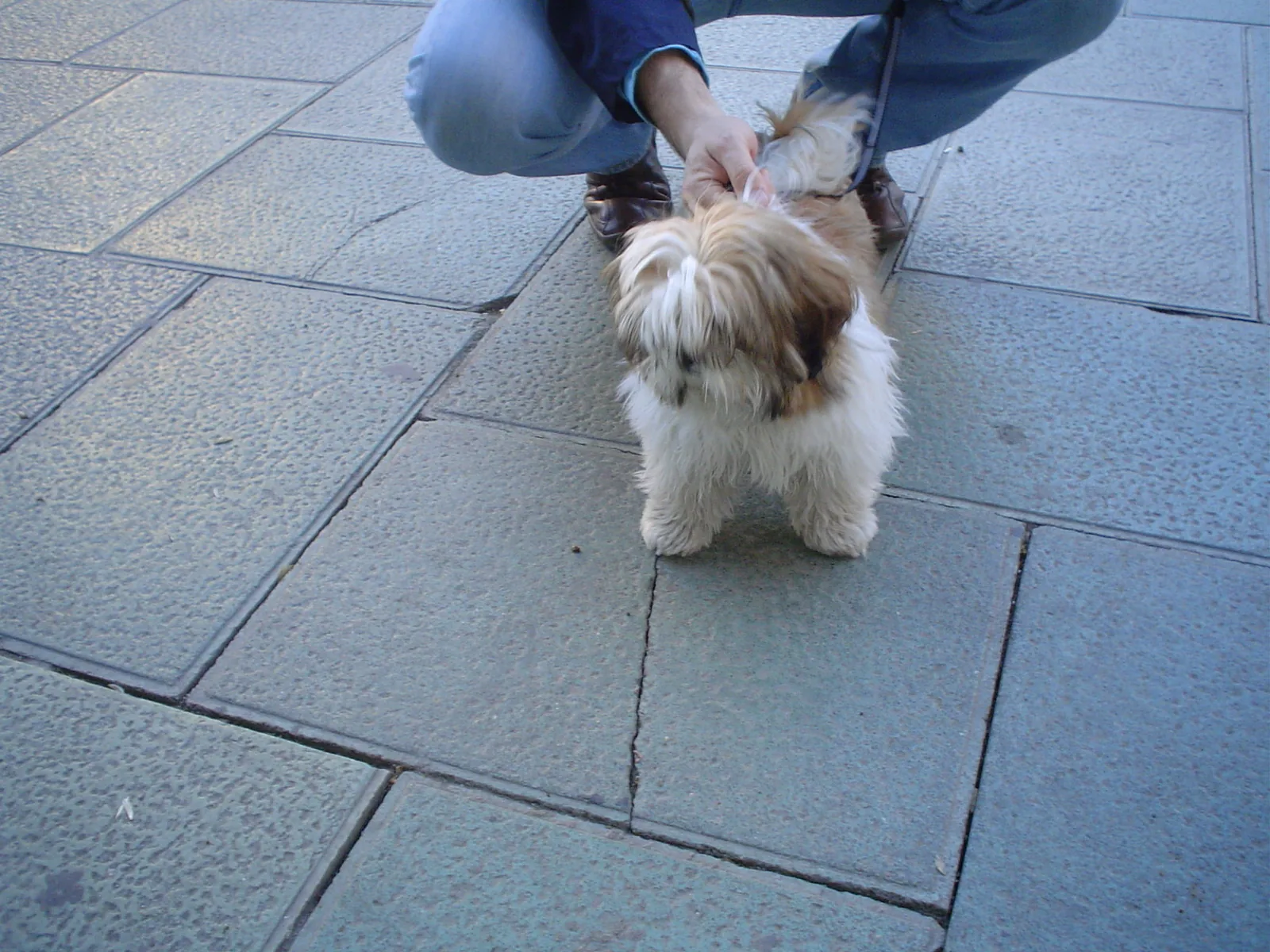
The Shih Tzu's history connects Tibet and China's imperial courts. Modern Shih Tzu are small companion dogs with a long coat and generally sociable household role.
The show-style coat is beautiful but labor-intensive. Many pet owners choose a shorter trim, which still needs routine brushing and grooming. Like other short-muzzled breeds, Shih Tzu can struggle in heat.
Best fit: people seeking a small indoor companion and willing to maintain coat and eyes.
Main commitment: grooming and heat management.
6. Chinese Crested
Chinese Crested dogs come in hairless and fully coated “powderpuff” varieties. The breed has a long association with Chinese trading vessels, although historical accounts of the earliest ancestry vary.
Hairless does not mean maintenance-free. Exposed skin needs thoughtful care and protection from excessive sun, cold and irritation. Dental health can also deserve particular attention in hairless lines.
Best fit: owners who want a small, people-focused dog and understand skin care.
Main commitment: skin, dental and temperature management.
7. Tibetan Mastiff
The Tibetan Mastiff is a large traditional guardian associated with Tibet and Himalayan pastoral life. Its independent decision-making reflects a job in which a dog could not wait for constant human direction.
That history makes it impressive but challenging. A Tibetan Mastiff is not an oversized obedience robot. Territorial behavior, physical strength, maturity and independence all require experienced management.
Best fit: experienced guardian-breed owners with secure space and realistic expectations.
Main commitment: socialization, secure containment and accepting independence.
8. Tibetan Spaniel
Despite the name, the Tibetan Spaniel is not a conventional sporting spaniel. It was historically associated with Tibetan monasteries, where small dogs served as companions and alert sentinels.
This background helps explain a dog that can be affectionate with its people while still noticing what happens around the home.
Best fit: people wanting a small companion with an alert, somewhat independent streak.
Main commitment: coat care, socialization and respecting that small does not mean characterless.
9. Tibetan Terrier
The Tibetan Terrier is another native Tibetan breed despite not being a true terrier in the conventional sense. It historically served as companion, watchdog and versatile household dog.
Its profuse coat is the obvious ownership commitment. Beneath it is an agile dog that generally benefits from activity and interaction rather than being treated as decorative.
Best fit: owners wanting a medium-small companion and willing to groom.
Main commitment: coat care and regular exercise.
10. Lhasa Apso
The Lhasa Apso developed in Tibet as a companion and indoor sentinel. Its compact size hides a dog bred to notice unusual activity around monasteries and homes.
Lhasas can be affectionate with family without automatically welcoming every stranger. Coat maintenance is substantial unless kept in a practical pet trim.
Best fit: owners who like small dogs with an alert, self-assured personality.
Main commitment: grooming and early exposure to visitors/handling.
11. Chongqing Dog
The Chongqing Dog is a rare indigenous Chinese breed/type associated with the Chongqing region. Compared with internationally established breeds, reliable standardized English-language data is limited.
That limitation should be explicit. Readers interested in the breed should seek specialist regional breed organizations and avoid sellers who use rarity as a substitute for health records, temperament information and transparent pedigrees.
12. Xiasi Dog
The Xiasi Dog is associated with Guizhou Province and traditional hunting/working use. It remains uncommon internationally and is not documented to the same degree as major kennel-club breeds.
Treat online claims about exact ancient dates, speed, rarity or magical cultural significance skeptically unless backed by a credible source.
13. Kunming Dog
The Kunming Dog (often called the Kunming Wolfdog in English-language material) is a modern Chinese working-dog development associated with police and military functions. It should not be confused with an ancient village breed simply because it is Chinese.
Again, standardized information available to international pet buyers is limited compared with German Shepherd Dogs or Belgian Malinois. Prospective owners need verified health, temperament and lineage information rather than marketing claims.
Which Chinese breed is easiest for a typical household?
For many companion homes, a Shih Tzu, Pug, Pekingese, Chinese Crested or Tibetan Spaniel is physically easier to manage than a Tibetan Mastiff or rare working breed, but “small” does not mean “zero maintenance.” Coat care, eye/airway health, skin care and temperament still vary greatly.
A Chow Chow or Shar-Pei can suit an owner who genuinely likes more reserved dogs and is committed to socialization. A Tibetan Mastiff is a specialist choice for experienced owners.
Before buying a rare Chinese breed
Rarity increases the need for due diligence. Ask for:
- documented parentage;
- health testing relevant to the breed;
- veterinary records;
- opportunities to meet adult relatives when possible;
- transparent discussion of temperament problems;
- export/import paperwork where relevant;
- realistic information about recognition by major kennel organizations.
Do not pay a premium merely because a seller calls a dog “ancient,” “royal,” “wolf” or “rare.”
Bottom line
There is no single Chinese-dog personality. The group ranges from toy companions created around courts and monasteries to independent livestock guardians and modern working dogs. The best choice starts with the life you can provide, then narrows to a healthy, stable individual from a responsible source.
Sources & further reading
Review point for 13 Chinese Dog Breeds: Origins, Temperament and What They're Like to Own
Set a date to revisit the decision and name the observation that would bring the review forward. For 13 Chinese Dog Breeds: Origins, Temperament and What They're Like to Own, a meaningful trigger might be discomfort, repeated equipment failure, a change in health or behavior, a household routine that no longer meets the dog's needs, or reliable new evidence. Record the current choice and its largest accepted limitation so the later review compares reality with the reason for choosing it.
A review is not an admission that the first decision failed. Dogs, products, services and households change. Keep what continues to work, replace assumptions with direct observation and involve a veterinarian or appropriately qualified professional when health, welfare or serious behavior is involved. 13 Chinese Dog Breeds: Origins, Temperament and What They're Like to Own remains useful only while the plan is safe for the individual dog and sustainable for the people responsible for it.
Related reading
- 13 Dog Breeds That Can Be Good for First-Time Owners
- 7 Quiet Small Dog Breeds for Calmer Homes
- 9 Dog Breeds That Look Like Shih Tzu
- 7 Best Guard Dog Breeds for Personal Protection and Security
- 17 Dog Breeds With Strong Longevity or Health Profiles
Popular breed profiles