Pocket Dog Breeds? 7 Tiny Breeds and What the Term Really Means
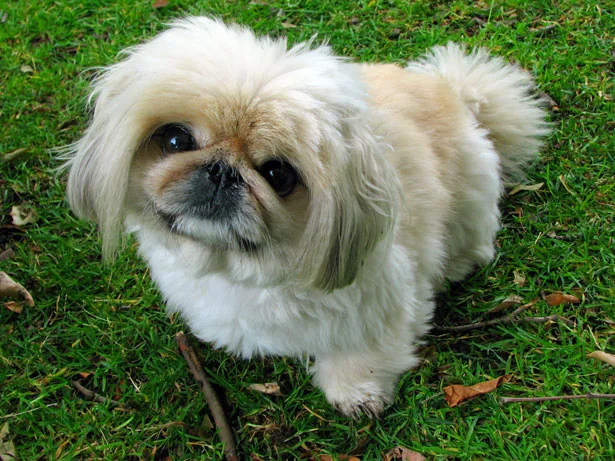
"Pocket dog" sounds like an official size category. It is not.
The same is generally true of marketing labels such as micro, mini micro and teacup when they are applied to breeds whose standards do not define those varieties.
If you want a genuinely tiny companion, the healthier approach is to choose a recognized naturally small breed from a breeder who prioritizes sound structure and health—not to chase the smallest possible specimen.
Seven naturally tiny breeds
| Breed | Typical size category | Coat/grooming | Energy | Key consideration |
|---|---|---|---|---|
| Chihuahua | very small toy | low-high by coat | moderate | fragility/dental care |
| Toy Poodle | toy | high | moderate-high | grooming |
| Yorkshire Terrier | toy | high | moderate-high | coat/dental |
| Maltese | toy | high | moderate | grooming |
| Pomeranian | toy | high | moderate-high | coat/tracheal care |
| Papillon | toy | moderate | high | fragility |
| Pekingese | toy | high | low-moderate | brachycephalic heat/breathing |
1. Chihuahua
Chihuahuas are among the smallest established dog breeds. They are not automatically timid lap dogs; many are bold, alert and active.
Their size makes falls, rough children and accidental injury more consequential. Dental care also deserves particular attention in tiny dogs.
2. Toy Poodle
Toy Poodles combine very small size with intelligence and athleticism. They can be excellent for people who enjoy training.
The curly coat requires regular professional or skilled home grooming.
3. Yorkshire Terrier
Yorkies are small companion terriers with lively personalities. Their long coat can be maintained in a shorter pet clip, but grooming remains part of ownership.
Do not confuse tiny size with low energy.
4. Maltese
Maltese are purpose-bred companions and portable household dogs. They tend to be socially oriented and need coat care.
Their small body means careful handling around large dogs and young children.
5. Pomeranian
Pomeranians are tiny spitz dogs with large personalities and a dense coat. They often enjoy training and alert readily to activity around the home.
Grooming and barking management are common ownership tasks.
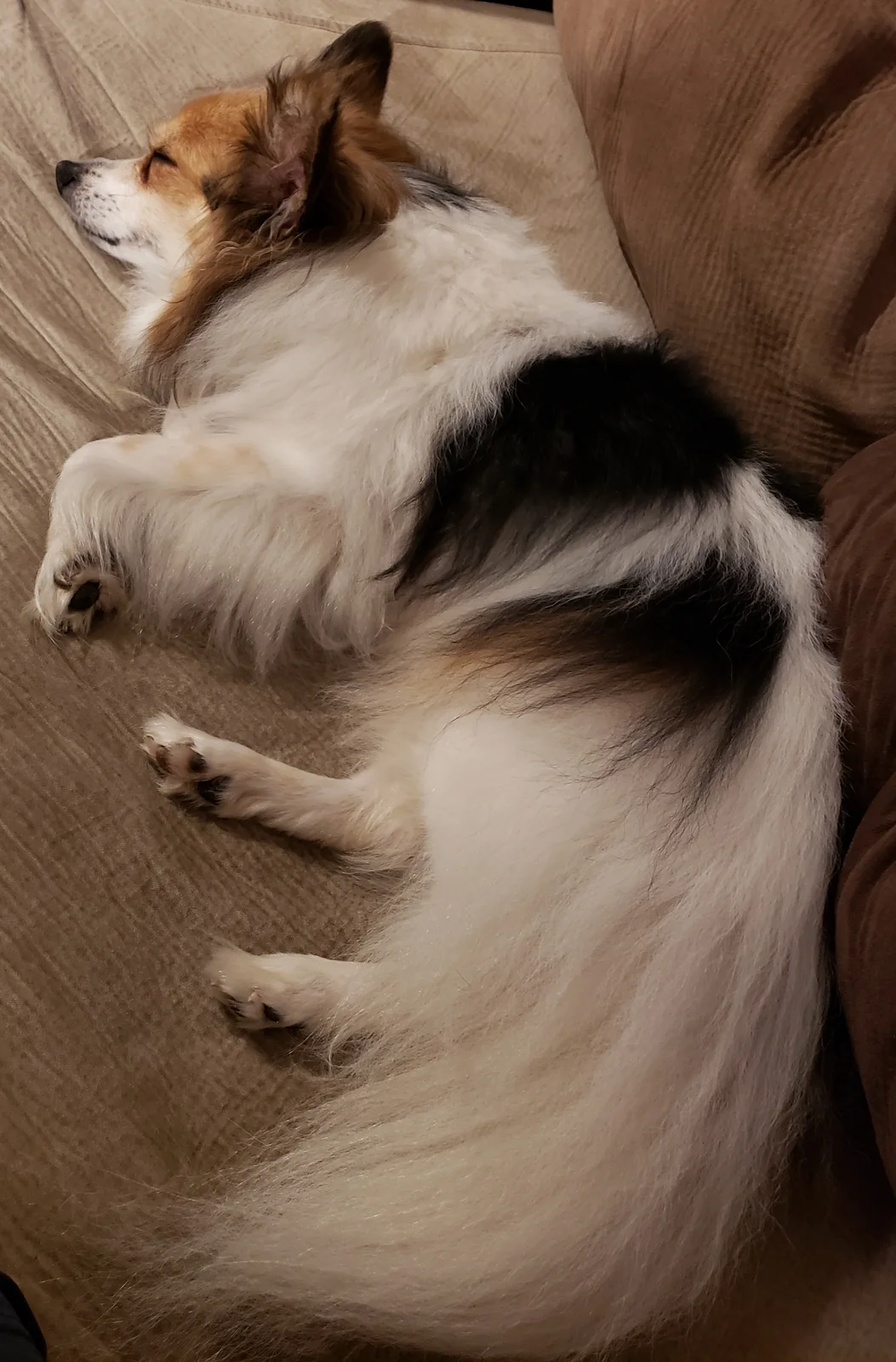
Papillons are among the most athletic tiny companion breeds. They can excel at tricks, obedience and agility while remaining highly portable.
Owners need to protect them from rough handling.
7. Pekingese
Pekingese were developed as companion dogs and remain compact, dignified household pets. The breed's flat facial structure and heavy coat make heat and breathing especially important considerations.
Choose for functional breathing and mobility rather than exaggerated appearance.
Why "teacup" should make you ask more questions
Extra-small puppies can be marketed at a premium. The label itself tells you nothing about:
- adult health;
- responsible breeding;
- orthopedic soundness;
- dental development;
- blood-sugar stability in very young tiny puppies;
- whether the puppy is simply immature, underweight or unusually small.
Ask for the parents' actual adult size, health testing, veterinary records and the breeder's goals.
A tiny dog still needs to be a dog
Small companions still need:
- walks and sniffing;
- training;
- toilet routines;
- socialization;
- safe play;
- dental care;
- appropriate body condition;
- boundaries.
Carrying a dog everywhere can deprive it of normal movement and confidence-building opportunities.
FAQ
Is "pocket dog" an official dog size?
No. It is usually an informal marketing phrase.
Is a teacup Chihuahua a separate breed?
No. Chihuahua is the breed. Extreme size labels should not replace attention to health and the breed standard.
Which tiny breed is easiest to train?
Toy Poodles and Papillons are often very responsive to training, though the individual dog and owner technique matter.
Which tiny dog needs the least grooming?
Short-coated Chihuahuas have relatively simple coat care compared with Poodles, Yorkies, Maltese, Pomeranians or Pekingese.
Sources & further reading
- AKC Toy Group
- AKC Chihuahua
- AKC Toy Poodle
- AKC Yorkshire Terrier
- AKC Maltese
- AKC Pomeranian
- AKC Papillon
- AKC Pekingese
Cost and care planning for Pocket Dog Breeds? 7 Tiny Breeds and What the Term Really Means
Purchase price or adoption fee is only the entry cost. A Pocket Dog Breeds? 7 Tiny Breeds and What the Term Really Means budget should include food at adult size, preventive veterinary care, insurance or an emergency reserve, training, secure containment, grooming tools or professional appointments, boarding, travel equipment and replacement of damaged items. Large and giant dogs can make medication, crates and transport materially more expensive, while long or specialized coats can shift cost into regular labor.
Ask what happens if the dog develops a chronic condition or needs behavior support. The honest answer may change the shortlist. Do not choose a candidate because routine expenses barely fit today; Pocket Dog Breeds? 7 Tiny Breeds and What the Term Really Means should still work when veterinary, housing or care costs rise. A sustainable plan protects the dog from later rehoming and gives the household room to seek help early.
The first-month plan after choosing from Pocket Dog Breeds? 7 Tiny Breeds and What the Term Really Means
Keep the first weeks predictable. A dog selected through Pocket Dog Breeds? 7 Tiny Breeds and What the Term Really Means needs a quiet sleep area, a consistent toileting and feeding schedule, short reward-based lessons, controlled introductions and enough rest. Delay crowded outings and unrestricted greetings until you understand recovery, handling comfort and responses to the home. Management is not a substitute for training, but it prevents rehearsal of unsafe behavior while learning begins.
Record sleep, appetite, elimination, exercise, triggers and the time needed to settle. Share sudden changes with a veterinarian and emerging behavior risks with an appropriately qualified professional. Revisit the assumptions that led to the Pocket Dog Breeds? 7 Tiny Breeds and What the Term Really Means choice after two and four weeks. Adjust the plan to the individual in front of you rather than trying to make the dog match a breed summary.
A final trade-off record for Pocket Dog Breeds? 7 Tiny Breeds and What the Term Really Means
Before deciding, give every remaining candidate one strongest advantage, one hardest daily requirement and one failure mode. For Pocket Dog Breeds? 7 Tiny Breeds and What the Term Really Means, a failure mode might be escape, conflict with another animal, grooming that is repeatedly postponed, exercise needs that exceed the weekday schedule, or strength that one household member cannot manage. Write the prevention and backup for each one. If the backup depends on perfect weather, unlimited money or a single person never being unavailable, it is not robust enough.
Keep the record after placement. It becomes a practical reminder of why training, fencing, health screening or coat care mattered. The exercise also helps separate a passing preference from a durable match. Pocket Dog Breeds? 7 Tiny Breeds and What the Term Really Means is useful when it makes the trade-offs clearer, not when it creates pressure to choose a winner.
Review point for Pocket Dog Breeds? 7 Tiny Breeds and What the Term Really Means
Set a date to revisit the decision and name the observation that would bring the review forward. For Pocket Dog Breeds? 7 Tiny Breeds and What the Term Really Means, a meaningful trigger might be discomfort, repeated equipment failure, a change in health or behavior, a household routine that no longer meets the dog's needs, or reliable new evidence. Record the current choice and its largest accepted limitation so the later review compares reality with the reason for choosing it.
A review is not an admission that the first decision failed. Dogs, products, services and households change. Keep what continues to work, replace assumptions with direct observation and involve a veterinarian or appropriately qualified professional when health, welfare or serious behavior is involved. Pocket Dog Breeds? 7 Tiny Breeds and What the Term Really Means remains useful only while the plan is safe for the individual dog and sustainable for the people responsible for it.
Share the plan for Pocket Dog Breeds? 7 Tiny Breeds and What the Term Really Means
Make sure every person who handles the dog understands the same cues, fit checks, boundaries and stop rules. In Pocket Dog Breeds? 7 Tiny Breeds and What the Term Really Means, inconsistent handling can make an ordinary difficulty look unpredictable. Write a short handoff note covering the routine, the dog's known sensitivities, the backup equipment or contact, and the signs that mean the session should end. Test whether another adult can follow it without verbal explanation.
Include sitters, walkers and family members who may encounter the difficult scenario. Store emergency contacts and current care information where they can be found without unlocking this page. A shared plan reduces preventable mistakes and reveals when the proposed solution depends too heavily on one person's skill. That is a practical final check before relying on the recommendation in Pocket Dog Breeds? 7 Tiny Breeds and What the Term Really Means.
Keep the conclusion proportionate in Pocket Dog Breeds? 7 Tiny Breeds and What the Term Really Means
Use the evidence to narrow choices, not to promise an outcome. For Pocket Dog Breeds? 7 Tiny Breeds and What the Term Really Means, breed tendencies, measurements, population ranges and product features all have limits; the individual dog and current conditions remain decisive. Prefer a conclusion that names who may benefit, who should avoid the option and what must be verified next. That structure is more honest than a universal winner.
If two choices remain close, favor the one with the safer failure mode and the simpler routine. Delay the decision when essential records, measurements or professional guidance are missing. The goal of Pocket Dog Breeds? 7 Tiny Breeds and What the Term Really Means is a choice that can be explained, monitored and changed responsibly—not confidence for its own sake.