9 Tiny Dog Breeds Often Sold as “Teacup” — and What Buyers Should Know
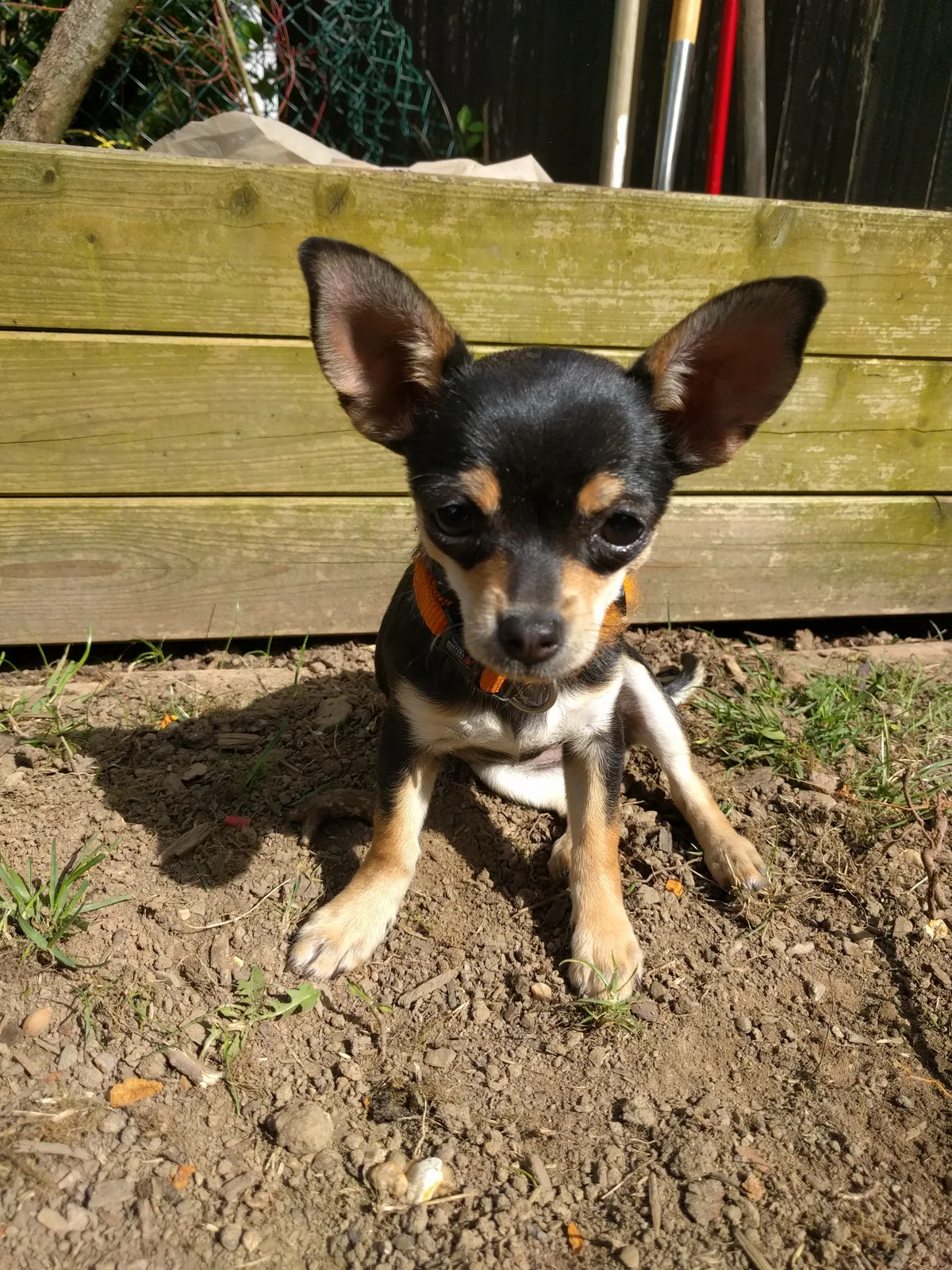
“Teacup” sounds like an official category, but it is primarily a marketing term. The American Kennel Club specifically warns that “teacup” is not an acknowledged size designation in any AKC-recognized breed. Breeding deliberately for extreme undersize can increase the risk of problems such as unstable blood sugar, fragile bones and other health complications.
If you want a very small dog, a safer starting point is to choose a recognized toy breed from health-tested parents rather than chasing the smallest puppy a seller can produce.
Nine naturally small breeds commonly marketed with “teacup” language are:
- Chihuahua
- Pomeranian
- Yorkshire Terrier
- Maltese
- Toy Poodle
- Shih Tzu
- Papillon
- Pekingese
- Russian Tsvetnaya Bolonka
What does “teacup” actually mean?
There is no universal kennel-club definition. One breeder may use the term for a small but standard-sized toy dog; another may use it for a puppy predicted to mature well below the healthy breed range.
That uncertainty is the first red flag. Ask for actual adult weights of parents and relatives rather than relying on a label.
1. Chihuahua
The Chihuahua is already one of the world's smallest recognized breeds. There is no need to create an unofficial subcategory for it to be tiny.
Very small individuals can be especially vulnerable to trauma, dental crowding and difficulty maintaining blood sugar when young.
2. Pomeranian
Pomeranians are compact spitz companions with substantial coat and personality. Marketing an exceptionally tiny Pom as rare or premium should not override questions about knees, heart, eyes and overall structural health.
3. Yorkshire Terrier
Yorkies are small terriers with fine coats and confident personalities. A responsible buyer should prioritize health and temperament over an unusually low predicted adult weight.
4. Maltese
Maltese are established toy companions. Their small bodies, white coats and people-oriented nature already fit buyers seeking a miniature companion without needing further miniaturization.
5. Toy Poodle
Toy Poodles are the smallest recognized Poodle variety. Their intelligence and athletic ability mean they should still be treated as dogs that need training and activity, not accessories.
6. Shih Tzu
Shih Tzu are compact companions but are larger and sturdier than some toy breeds. “Imperial” or “teacup” labels are commonly used in marketing; buyers should instead compare the puppy and parents with the recognized breed standard and health guidance.
7. Papillon
Papillons are light, athletic toy dogs that often surprise people with their trainability. Extreme downsizing offers no practical benefit to a breed that is already portable.
8. Pekingese
Pekingese are small imperial companion dogs with significant coat and brachycephalic considerations. Selecting the tiniest possible puppy can compound existing health concerns rather than improve ownership.
9. Russian Tsvetnaya Bolonka
The Russian Tsvetnaya Bolonka entered full AKC recognition in 2026. It is a small companion breed, making it another naturally compact option for people who want a tiny dog without relying on unofficial “teacup” branding.
Health concerns with extreme miniaturization
Very small dogs can be more vulnerable to:
- hypoglycemia, especially as puppies;
- accidental injury from falls or rough handling;
- dental crowding;
- patellar problems;
- difficulty with anesthesia or medical procedures in very small bodies;
- temperature regulation problems.
The exact risk depends on breed and individual dog.
Questions to ask a breeder
- What are the adult weights of both parents?
- What health tests are recommended for this breed, and can I see results?
- Why is this puppy being marketed as “teacup”?
- Has the puppy had episodes of low blood sugar, collapse or delayed development?
- Can I meet the dam?
- What is the breeder's return/support policy?
Walk away from anyone who treats extreme smallness as proof of superior genetics.
Bottom line
If you love tiny dogs, choose a naturally small recognized breed from a responsible source. The healthiest goal is not “the smallest puppy possible.” It is a stable, functional dog that can eat, play, exercise and live normally.
Sources & further reading
Review point for 9 Tiny Dog Breeds Often Sold as “Teacup” — and What Buyers Should Know
Set a date to revisit the decision and name the observation that would bring the review forward. For 9 Tiny Dog Breeds Often Sold as “Teacup” — and What Buyers Should Know, a meaningful trigger might be discomfort, repeated equipment failure, a change in health or behavior, a household routine that no longer meets the dog's needs, or reliable new evidence. Record the current choice and its largest accepted limitation so the later review compares reality with the reason for choosing it.
A review is not an admission that the first decision failed. Dogs, products, services and households change. Keep what continues to work, replace assumptions with direct observation and involve a veterinarian or appropriately qualified professional when health, welfare or serious behavior is involved. 9 Tiny Dog Breeds Often Sold as “Teacup” — and What Buyers Should Know remains useful only while the plan is safe for the individual dog and sustainable for the people responsible for it.
Share the plan for 9 Tiny Dog Breeds Often Sold as “Teacup” — and What Buyers Should Know
Make sure every person who handles the dog understands the same cues, fit checks, boundaries and stop rules. In 9 Tiny Dog Breeds Often Sold as “Teacup” — and What Buyers Should Know, inconsistent handling can make an ordinary difficulty look unpredictable. Write a short handoff note covering the routine, the dog's known sensitivities, the backup equipment or contact, and the signs that mean the session should end. Test whether another adult can follow it without verbal explanation.
Include sitters, walkers and family members who may encounter the difficult scenario. Store emergency contacts and current care information where they can be found without unlocking this page. A shared plan reduces preventable mistakes and reveals when the proposed solution depends too heavily on one person's skill. That is a practical final check before relying on the recommendation in 9 Tiny Dog Breeds Often Sold as “Teacup” — and What Buyers Should Know.
Keep the conclusion proportionate in 9 Tiny Dog Breeds Often Sold as “Teacup” — and What Buyers Should Know
Use the evidence to narrow choices, not to promise an outcome. For 9 Tiny Dog Breeds Often Sold as “Teacup” — and What Buyers Should Know, breed tendencies, measurements, population ranges and product features all have limits; the individual dog and current conditions remain decisive. Prefer a conclusion that names who may benefit, who should avoid the option and what must be verified next. That structure is more honest than a universal winner.
If two choices remain close, favor the one with the safer failure mode and the simpler routine. Delay the decision when essential records, measurements or professional guidance are missing. The goal of 9 Tiny Dog Breeds Often Sold as “Teacup” — and What Buyers Should Know is a choice that can be explained, monitored and changed responsibly—not confidence for its own sake.
A weekday test for 9 Tiny Dog Breeds Often Sold as “Teacup” — and What Buyers Should Know
Build the decision around an ordinary Tuesday, not the most active weekend of the year. For 9 Tiny Dog Breeds Often Sold as “Teacup” — and What Buyers Should Know, write down who handles the morning outing, how long the dog may be alone, where decompression happens after visitors arrive, and what exercise is still realistic in poor weather. Add the time required for coat care, training and transport. If a candidate needs more physical control or supervision than one adult can provide, treat that as a mismatch rather than a challenge to solve after adoption.
Run the same test for a difficult week. Illness, work deadlines and winter weather do not remove a dog's needs. A workable plan for 9 Tiny Dog Breeds Often Sold as “Teacup” — and What Buyers Should Know includes a backup walker or sitter, safe separation from children and other animals, and a quiet place where the dog can settle. The strongest candidate is not the one with the most dramatic strengths; it is the one whose demanding days remain manageable.
Questions for a breeder or rescue about 9 Tiny Dog Breeds Often Sold as “Teacup” — and What Buyers Should Know
Ask for examples rather than labels. In a 9 Tiny Dog Breeds Often Sold as “Teacup” — and What Buyers Should Know conversation, “friendly,” “protective” and “high energy” are too broad unless the person describes behavior around unfamiliar adults, children, dogs, handling, food, barriers and recovery after surprise. Ask how mature relatives behave, which health screening was completed, what the dog does after exercise, and what has been hardest in previous placements.
For an adult dog, request the foster or previous-home routine and ask what changes across environments. For a puppy, remember that adult size, social maturity and inherited work style have not appeared yet. Reputable placements welcome questions, discuss weaknesses without defensiveness and remain available after the dog goes home. Pressure, guarantees and refusal to share records are reasons to leave the 9 Tiny Dog Breeds Often Sold as “Teacup” — and What Buyers Should Know shortlist open.
Household scenarios to compare for 9 Tiny Dog Breeds Often Sold as “Teacup” — and What Buyers Should Know
| Scenario | What to observe | Why it changes the match |
|---|---|---|
| Visitors at the door | arousal, recovery and response to the handler | alert behavior can become difficult without a practiced routine |
| A rainy low-activity day | ability to settle after indoor enrichment | physical exercise cannot be the only route to calm |
| Passing dogs on leash | distance needed and ability to disengage | adult strength magnifies ordinary training gaps |
| Children or older adults | movement sensitivity and physical leverage | supervision must be realistic, not assumed |
| Grooming or veterinary handling | comfort with touch and restraint | routine care can become a recurring safety problem |
Use the 9 Tiny Dog Breeds Often Sold as “Teacup” — and What Buyers Should Know scenarios to identify the skill the household would need to teach, the management equipment required, and the consequence if either fails. One poor fit in a high-consequence scenario can outweigh several appealing traits.
Related reading
- 13 Dog Breeds That Can Be Good for First-Time Owners
- 13 Chinese Dog Breeds: Origins, Temperament and What They're Like to Own
- 9 Dog Breeds That Look Like Shih Tzu
- 17 Dog Breeds With Strong Longevity or Health Profiles