13 Dog Breeds for People Living Alone: Companionship, Lifestyle & Practical Fit
Living alone changes some practical parts of dog ownership. There may be no second person to cover the evening walk, hold the leash during an injury or stay home when work runs late. At the same time, a dog can add companionship, routine and a welcome sense of presence.
The useful question is broader: Which breeds can fit a one-person household well?
Security can be one consideration, but a dog should not be selected as a weapon. Manageable size, temperament, exercise, housing rules, grooming, time alone and the owner's actual interests matter more.
At a glance
| Breed | Size | Exercise | Alertness | Care load | Best fit |
|---|---|---|---|---|---|
| Miniature Schnauzer | Small | Moderate | High | Moderate-high | Compact, trainable watchdog style |
| Standard Poodle | Medium-large | High | Moderate | High | Athletic, highly trainable |
| Labrador Retriever | Large | High | Moderate | Low | Social active all-rounder |
| Golden Retriever | Large | High | Low-moderate | Moderate-high | Friendly outdoor companion |
| Boxer | Large | High | High | Low | Playful presence |
| Doberman Pinscher | Large | High | High | Low | Experienced active owner |
| German Shepherd Dog | Large | High | High | Moderate | Training-focused owner |
| Whippet | Medium | Moderate | Low | Low | Quiet indoor companion |
| Cavalier King Charles Spaniel | Small | Low-moderate | Low | Moderate | Close companionship |
| Shih Tzu | Small | Low-moderate | Moderate | High | Indoor companion |
| Boston Terrier | Small | Moderate | Moderate | Low | Compact social companion |
| Beagle | Small-medium | Moderate-high | Vocal | Low | Scent-hound enthusiast |
| Chihuahua | Tiny | Moderate | Very high | Low | Portable alert companion |
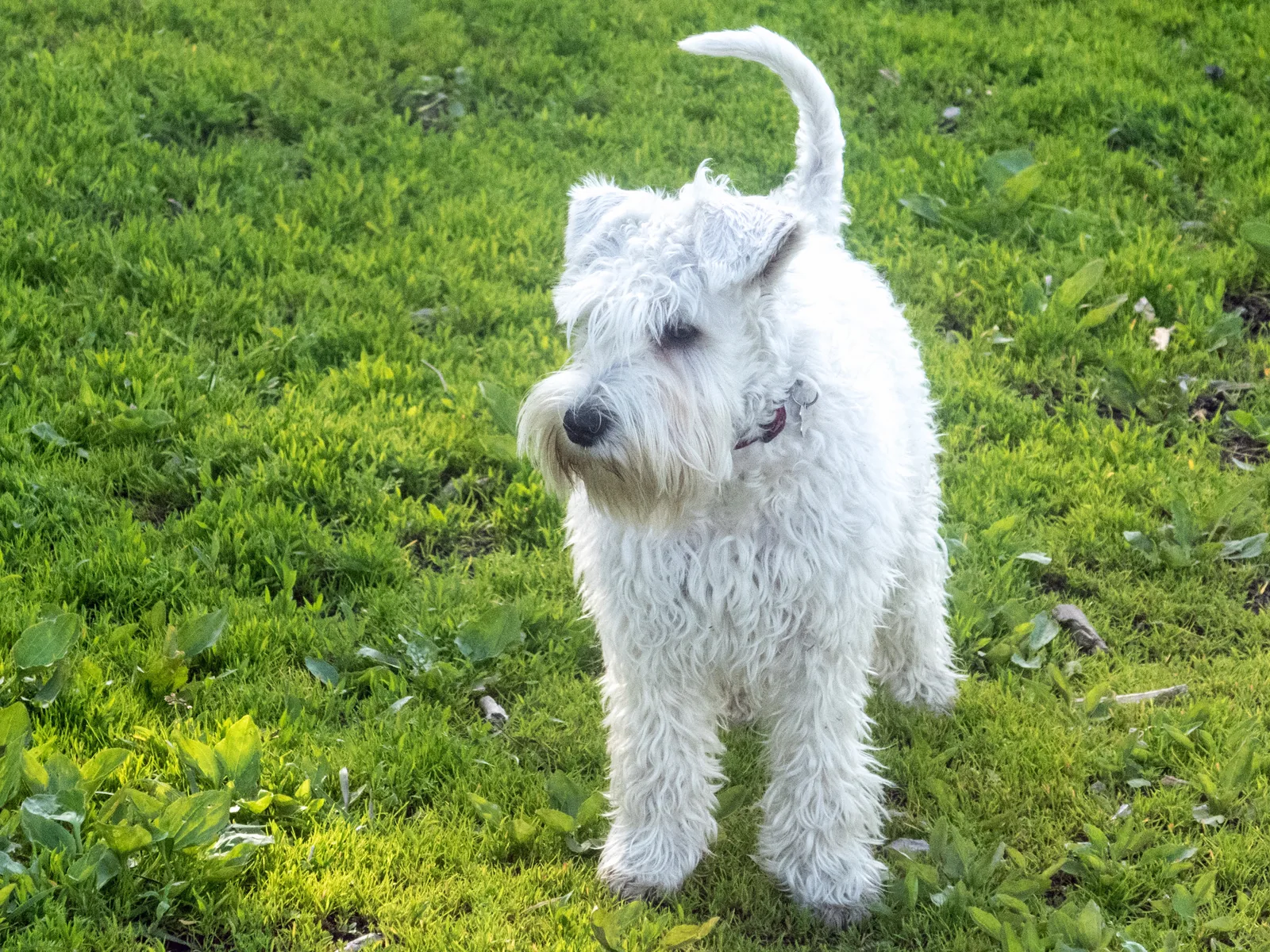
1. Miniature Schnauzer — compact, alert and trainable
Miniature Schnauzers can be practical in one-person households because they provide a lot of personality and alertness without the physical management of a 90-pound guardian.
They need regular exercise and grooming, and their watchdog instincts can become nuisance barking if every hallway sound is rewarded.
2. Standard Poodle — excellent for an active owner who likes training
Standard Poodles are athletic, highly trainable and adaptable. They can accompany one person through walking, hiking, travel and dog sports while settling at home when needs are met.
The major trade-off is coat care. Professional grooming becomes a recurring budget item unless the owner is skilled at clipping.
3. Labrador Retriever — social companion for an active routine
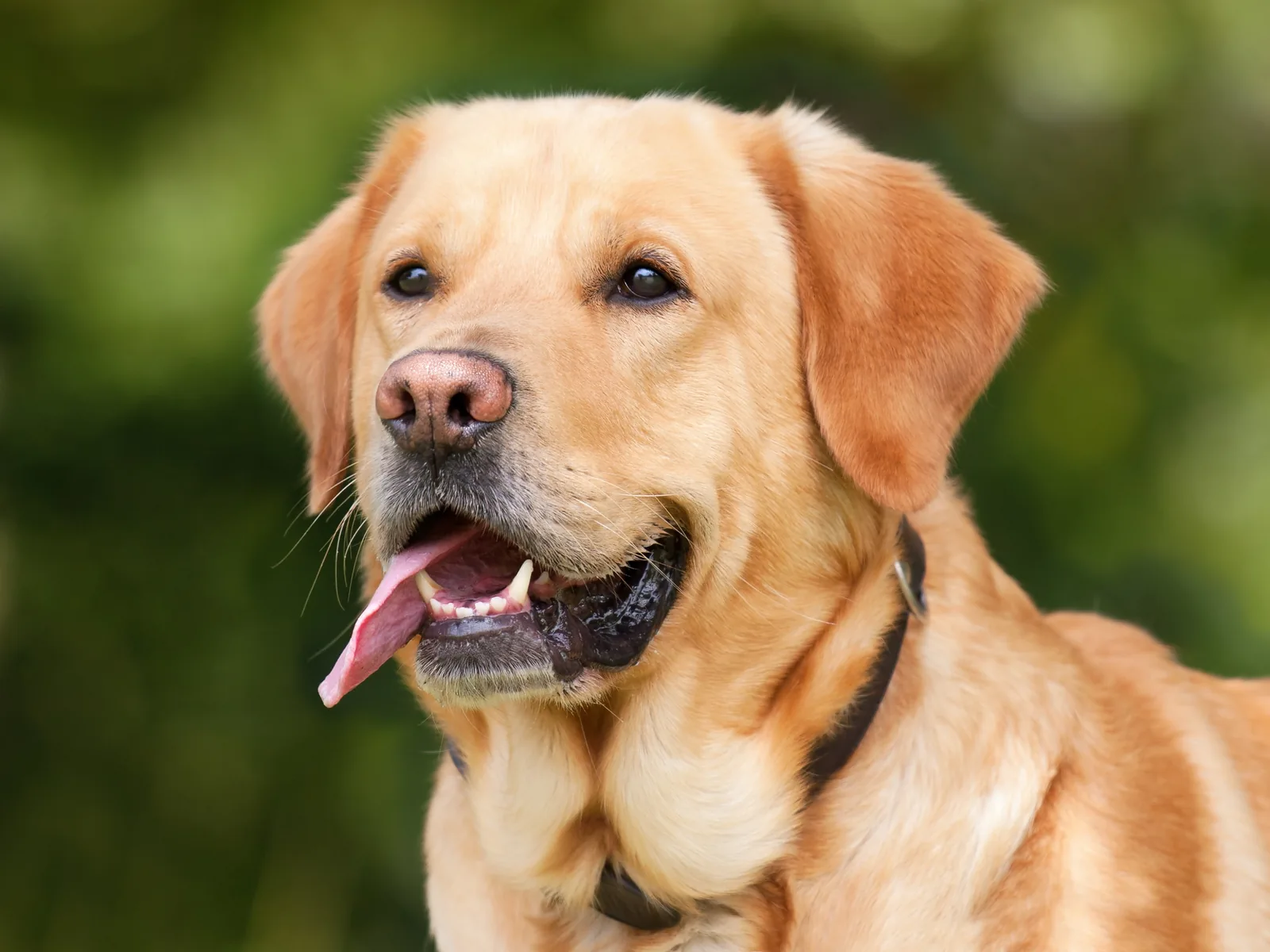
A Labrador can turn living alone into a very social lifestyle: walks, training, retrieving and outdoor activities. Labs are usually large enough to have visible presence without being selected primarily for guarding.
The challenge is that one person must supply all exercise, training and logistics. Adolescent Labs can be energetic and strong.
4. Golden Retriever — friendly and highly companionable
Goldens suit people who want a dog involved in daily life. They are typically social and responsive but require meaningful exercise and coat care.
A Golden is less appropriate for someone who wants a naturally suspicious home guardian. Its value is companionship, routine and trainability.
5. Boxer — playful companion with substantial presence
Boxers combine affection and playfulness with a physically substantial working-dog build. For some people living alone, that presence feels reassuring without choosing an intense guardian.
Young Boxers can be bouncy and powerful. Heat management matters because of the shortened muzzle.
6. Doberman Pinscher — for experienced owners who want a serious working companion
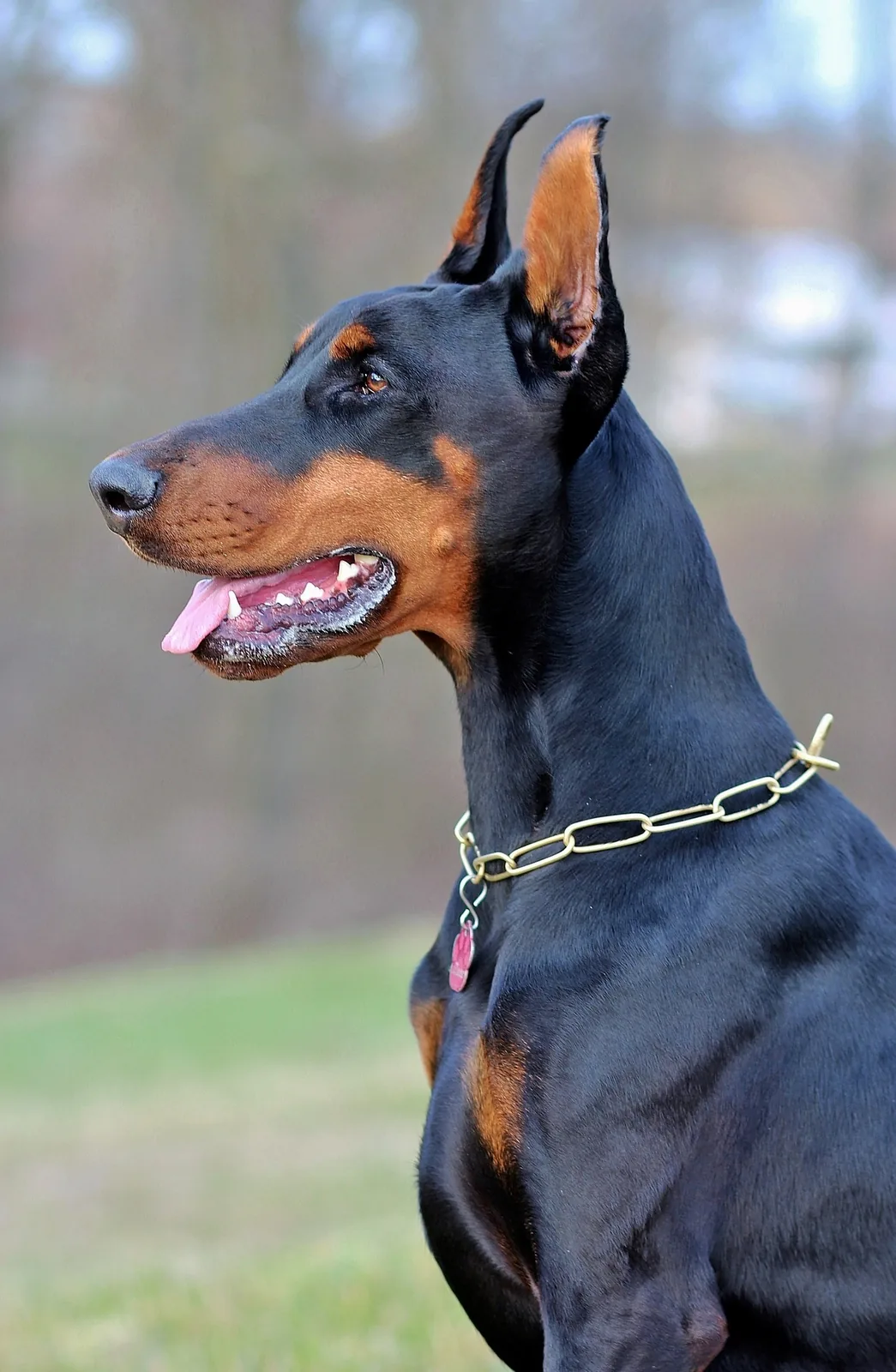
Dobermans can be highly bonded, responsive and naturally alert. They are not a default recommendation simply because someone lives alone.
A Doberman makes sense when the owner already wants the breed's exercise, training and management demands. Social stability is essential.
7. German Shepherd Dog — versatile but demanding
A German Shepherd can offer companionship, trainability and visible deterrent presence, but a one-person household has no second handler to compensate for weak training.
Choose only if daily exercise, socialization and ongoing training are attractive parts of ownership.
8. Whippet — quiet indoor lifestyle with real athletic ability
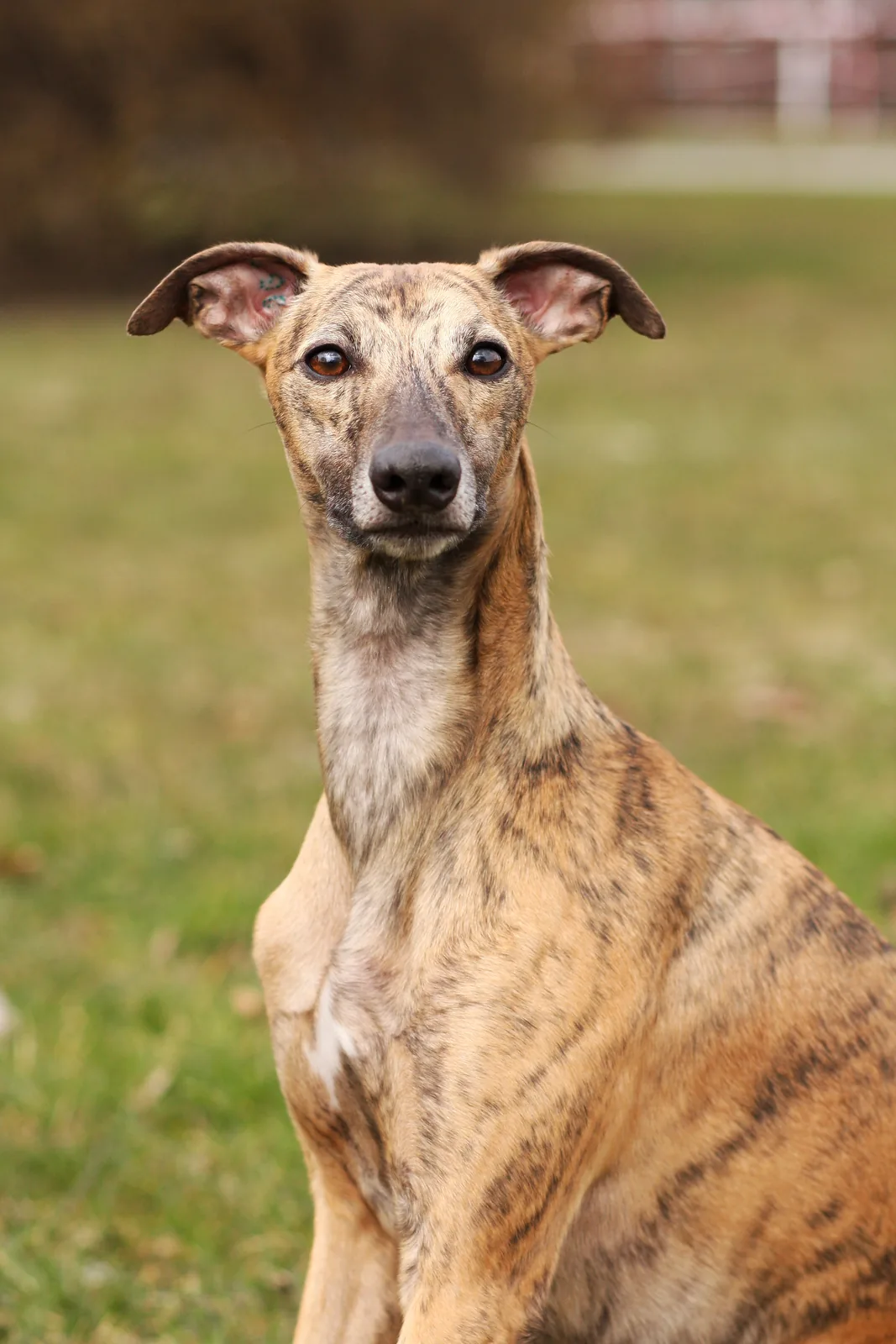
Whippets are an excellent counterexample to the idea that living alone requires a guard breed. Many are quiet indoors, relatively simple to groom and happy with regular exercise plus opportunities to run safely.
They provide companionship rather than serious deterrence.
9. Cavalier King Charles Spaniel — close companion in a small package
Cavaliers often excel at the companionship part of living alone. They are small enough for easy transport and typically enjoy being near their person.
That social nature means very long daily absences can be difficult. Health screening is central to responsible breed selection.
10. Shih Tzu — apartment-friendly companion
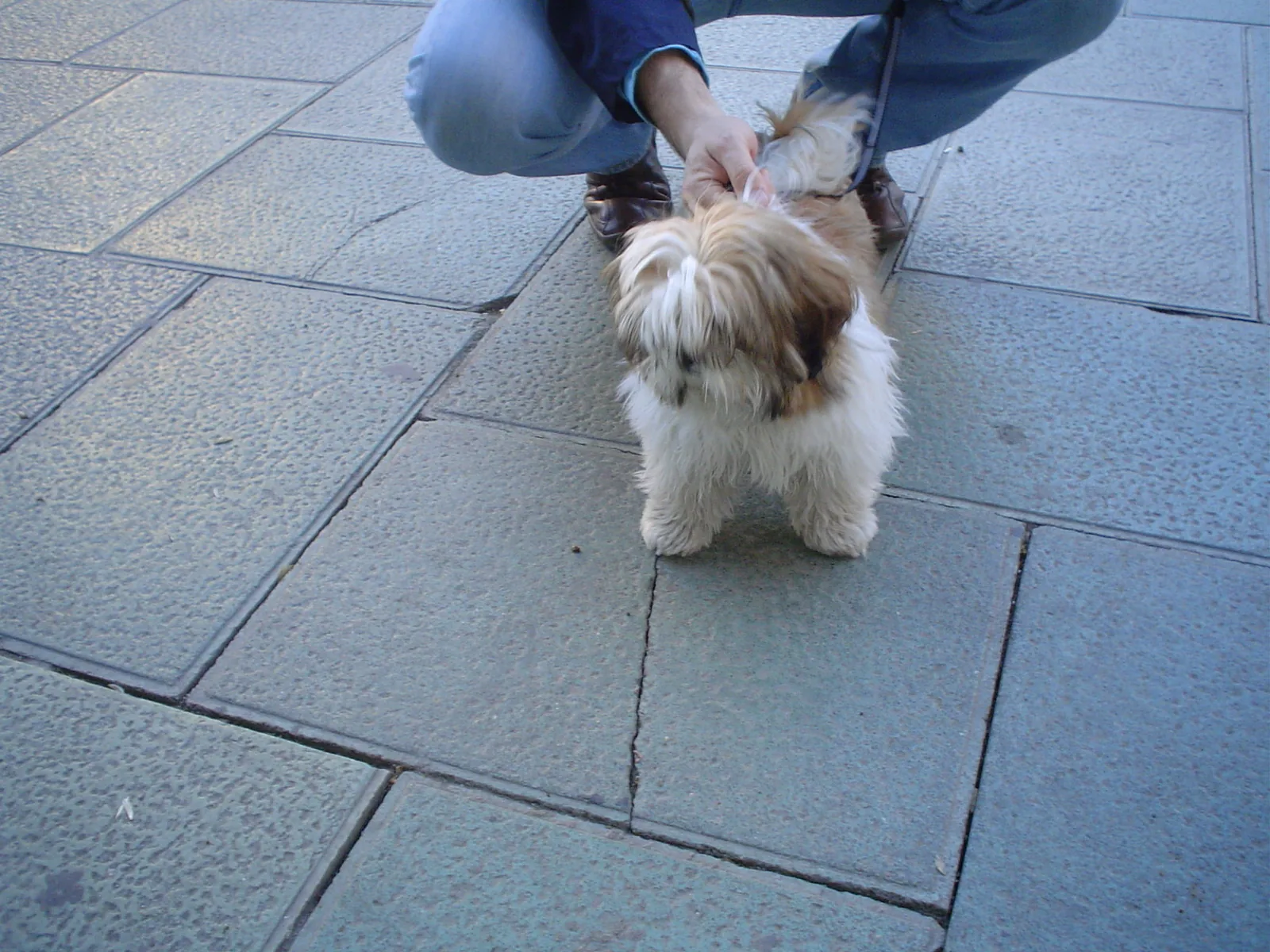
Shih Tzu can fit smaller homes and moderate routines well. Their needs center on companionship, grooming, short walks and indoor life rather than long-distance exercise.
11. Boston Terrier — compact and social
Boston Terriers offer a manageable physical size with a playful, people-oriented personality. They can suit urban living and are easier for one person to lift and transport than a large dog.
The short face means hot-weather exercise deserves caution.
12. Beagle — sociable hound for people who enjoy walking
Beagles are manageable in size and can be cheerful companions. They are not necessarily quiet: baying/barking and scent-driven independence are genuine considerations.
13. Chihuahua — tiny, alert and portable
Chihuahuas are easy to transport and can be very devoted to their person. Their alertness can make them effective little alarm systems, although barking should be trained rather than encouraged at every sound.
Tiny size also creates fragility around rough handling and cold weather.
The backup-care question matters more when you live alone
Before choosing a breed, identify who can help if you are ill, delayed at work or hospitalized. A one-person household benefits from a plan for:
- emergency walker or sitter;
- veterinary transport;
- feeding and medication instructions;
- temporary boarding or family care.
The larger or more behaviorally complex the dog, the more important that backup becomes.
Do not select a protection breed solely because you live alone
Feeling secure is valid, but a high-intensity guardian dog creates responsibilities and risks. Good locks, lighting and alarms are more reliable security tools. If you genuinely enjoy working breeds, choose one for the full lifestyle—not out of fear.
For many people, an alert Miniature Schnauzer, companionable Labrador or quiet Whippet is a better fit than a protection breed.
How long can the dog be alone?
Breed can influence independence, but no dog should be expected to tolerate unlimited isolation. Puppies need much more frequent care. Current AKC guidance commonly frames adult dogs around four to six hours at a time as a general practical range, while six to eight hours without a bathroom break is better treated as an upper limit than a daily goal.
If a workday regularly exceeds that, budget for a walker, neighbor, daycare or other reliable break.
FAQ
What is the best dog for a woman living alone?
There is no gender-specific best breed. Choose according to exercise, housing, experience, grooming and time alone.
What breed can make a home feel less empty without being a guard dog?
Labradors, Goldens, Miniature Schnauzers, Whippets and many companion breeds can add presence and routine without being selected for strong guarding behavior.
What if I work full time?
Teach alone time gradually and plan a midday break where needed. Do not assume a breed label makes an eight-to-ten-hour absence easy.
Sources & further reading
- AKC — Can You Have a Dog While Working a Full-Time Job?
- AKC — Alone Time for Dogs
- AKC — Best Dogs for Apartment Dwellers
- AKC — Best Guard Dogs