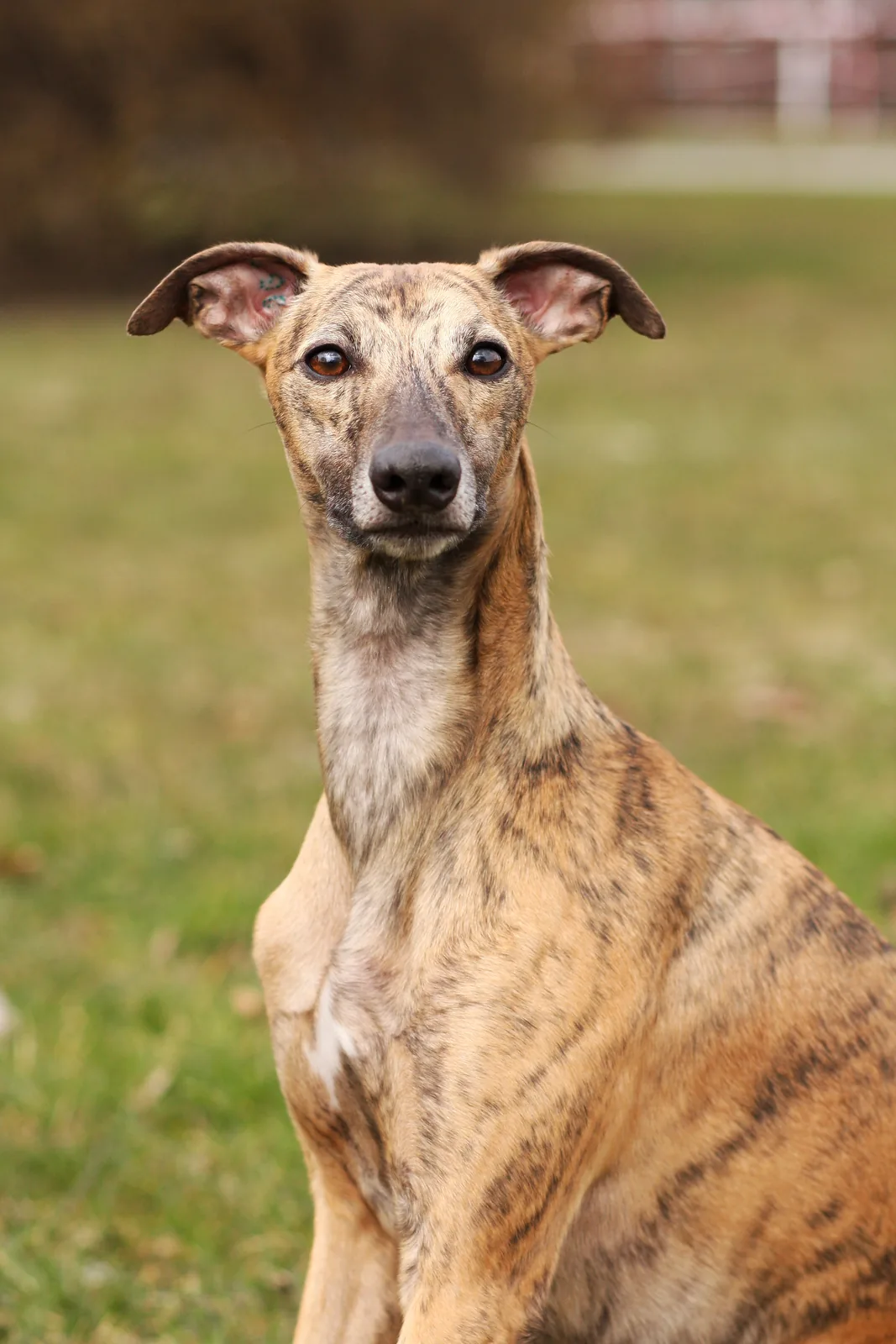
7 Smaller Dog Breeds With Lower Exercise Needs
A relaxed household does not necessarily need a dog that wants to run five miles before breakfast. Several smaller companion breeds tend to be satisfied with moderate walks, indoor play and close social time.
The catch is important: low exercise need is not the same as low maintenance. Some calm small breeds require extensive grooming; others carry health risks that can limit strenuous activity. A dog should never be selected because unhealthy anatomy makes exercise difficult.
These seven breeds can suit quieter lifestyles when chosen from healthy lines and given appropriate daily activity.
At a glance
| Breed | Exercise | Grooming | Barking tendency | Main trade-off |
|---|---|---|---|---|
| Cavalier King Charles Spaniel | Low-moderate | Moderate | Low-moderate | Health screening |
| Bolognese | Low-moderate | High | Low-moderate | Coat and social dependence |
| Shih Tzu | Low-moderate | High | Low-moderate | Brachycephalic/eye care |
| Japanese Chin | Low-moderate | Moderate-high | Low | Fragility and heat |
| Pekingese | Low | High | Low-moderate | Brachycephalic/eye/heat |
| Tibetan Spaniel | Low-moderate | Moderate | Moderate | Alert barking |
| Havanese | Moderate | High | Moderate | Grooming and companionship |
1. Cavalier King Charles Spaniel
Cavaliers often match the picture people have in mind when they ask for a smaller, softer companion dog. They commonly enjoy walking and play but are not typically built around all-day high-intensity work.
The breed's health deserves equal billing with temperament. Responsible selection should address cardiac and other breed-specific concerns, and prospective owners should budget realistically for veterinary care.
Best fit: people who want affectionate companionship and moderate daily activity.
Watch-outs: separation dependence, grooming and especially health selection.
2. Bolognese
The Bolognese is a small companion breed that tends to value being with people more than covering miles. Short walks, play and training can provide a satisfying routine for many adults.
The fluffy white coat is the opposite of low-maintenance. Regular combing and grooming are necessary to prevent mats.
Best fit: quieter homes where someone is around frequently.
Watch-outs: coat care and long absences.
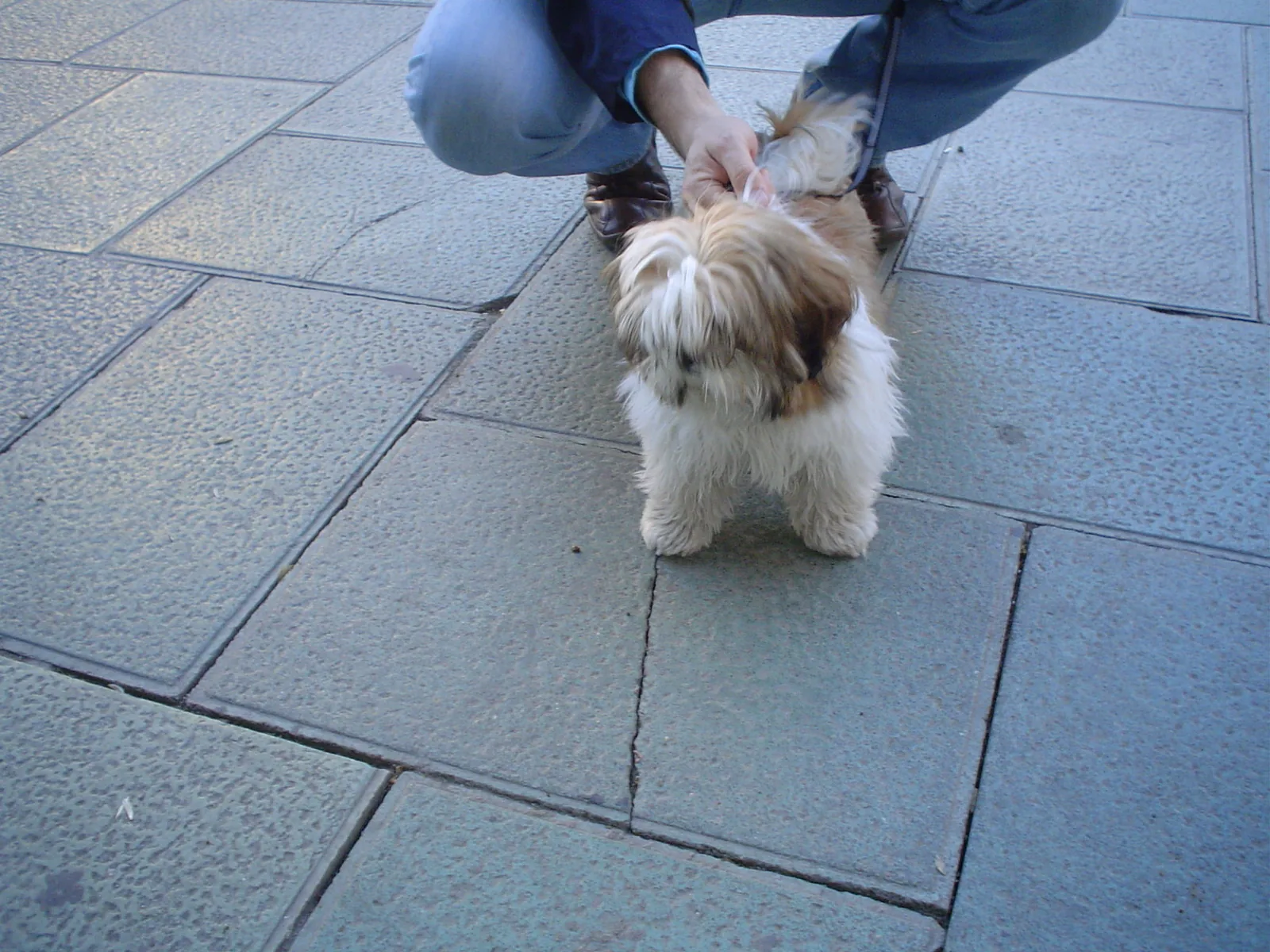
3. Shih Tzu
Shih Tzu were developed as companions, not endurance athletes. Many are content with modest walks, indoor play and time with their family.
Their short muzzle means heat and breathing deserve attention. Do not frame exercise intolerance in an unhealthy individual as a convenient personality trait. Choose for functional breathing and avoid hard exercise in hot conditions.
Best fit: apartment and indoor households that accept grooming.
Watch-outs: grooming, eyes, heat and brachycephalic health.
4. Japanese Chin
Japanese Chin are delicate companion dogs that often enjoy short play sessions and walks without the sustained workload of a sporting breed.
Their small size makes rough handling a concern. They can also be sensitive to heat because of facial structure.
Best fit: calm adult households and gentle families.
Watch-outs: fragility, coat care and warm-weather caution.
5. Pekingese
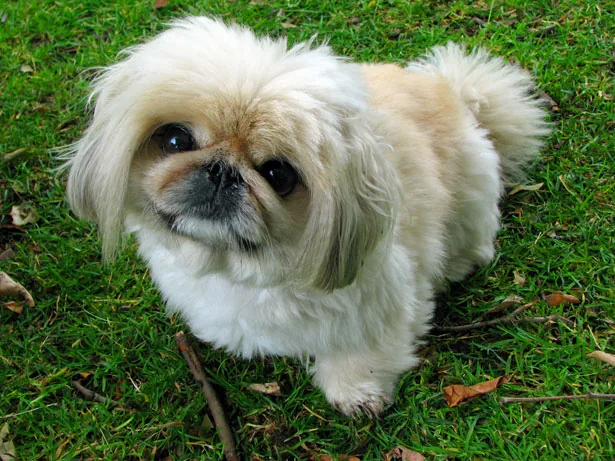
Pekingese are small but sturdy companion dogs, often with a more dignified, independent style than highly biddable toy breeds. Daily walks and play still matter, but the breed is not selected for endurance.
The very short face and heavy coat make hot weather especially relevant. Functional breathing should be valued over extreme facial exaggeration.
6. Tibetan Spaniel
Tibetan Spaniels combine companion-dog size with an alert, watchful temperament. They often enjoy daily walks and elevated observation points around the home without requiring high-mileage exercise.
They can be independent and may bark at activity outside, so calm does not always mean silent.
7. Havanese
Havanese are lively companion dogs that adapt well to many households. Their exercise needs are moderate rather than minimal: regular walks, play and training help keep them settled.
The long coat needs substantial care unless kept in a shorter clip.
Low energy does not mean low care
A calm dog may still need expensive grooming, dental care, health screening or close social contact. Compare total ownership effort rather than only daily walk length.
For older or mobility-limited owners, also think about stairs, lifting, veterinary transport and whether a long coat can be maintained comfortably.
Avoid choosing a breed because it cannot breathe or move normally
Some short-faced breeds are marketed as ideal sedentary pets because they cannot tolerate strenuous exercise well. That is the wrong selection logic. Prefer moderate, functional individuals that can enjoy normal movement and regulate temperature as effectively as possible for the breed.
FAQ
What small dog needs the least exercise?
There is no exact winner. Pekingese, Japanese Chin and many adult Shih Tzu often have modest exercise requirements, but health, age and individual temperament matter.
Do low-energy dogs still need walks?
Yes. Walks provide physical activity, sniffing, environmental exposure and training. Adjust pace and duration to the individual.
Is a French Bulldog a good low-energy dog?
Many French Bulldogs have modest exercise needs, but brachycephalic health and heat tolerance are major considerations. We do not rank a breed highly merely because anatomy can limit exercise.
Sources & further reading
- AKC — 10 Calm Dog Breeds
- AKC — Shih Tzu
- AKC — Best Dogs for Apartment Dwellers
- AKC — Overheating in Dogs