9 Tiny Companion Breeds Often Marketed as “Teacup” — What to Know Before Buying
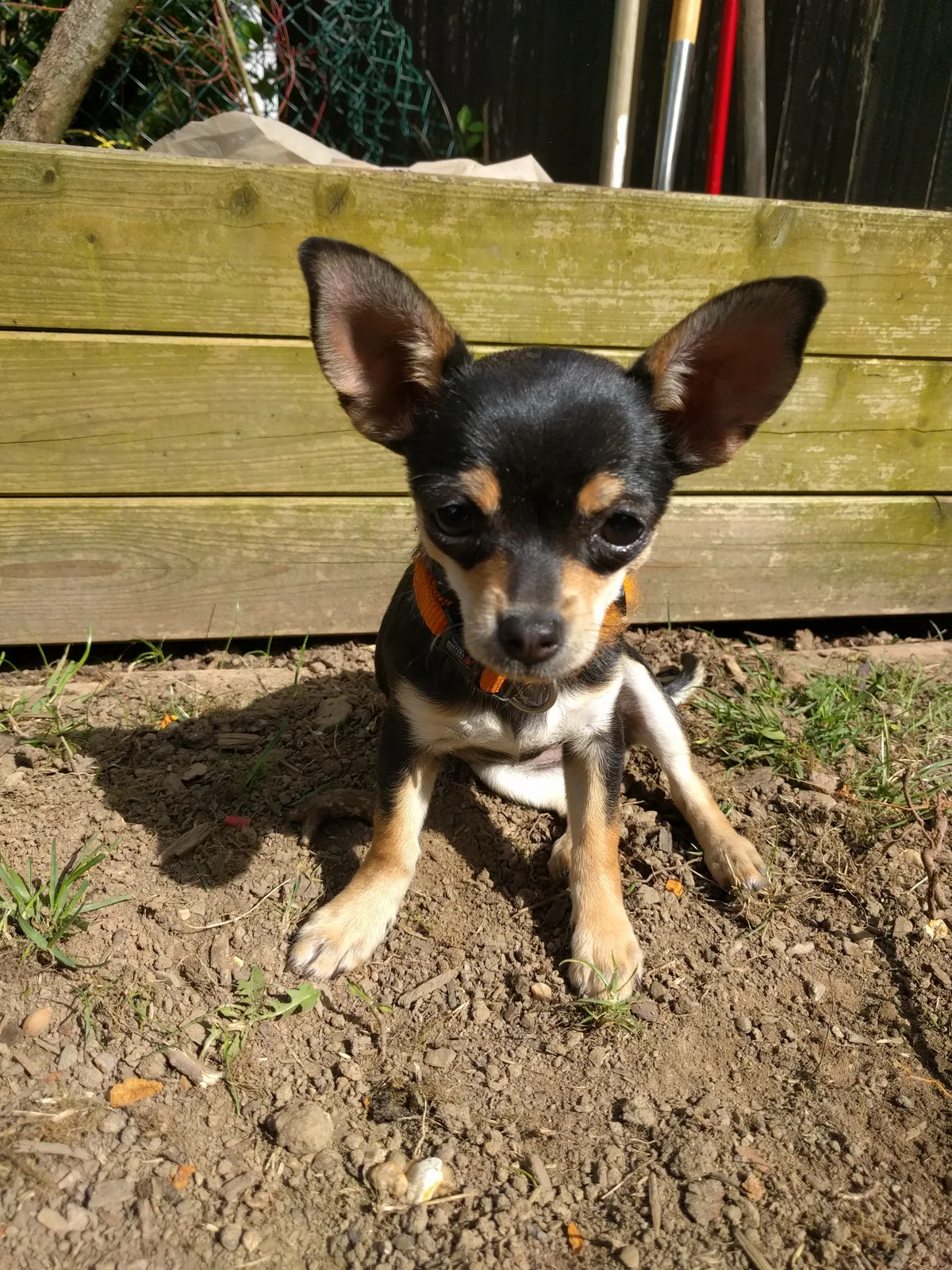
Tiny dogs have real appeal: they are easy to carry, fit comfortably into small homes and can be intensely companionable. The word “teacup,” however, is a marketing term rather than an official AKC size designation.
AKC guidance for responsible breeder selection specifically warns buyers to question Toy-breed breeders marketing puppies as “teacup,” because deliberately breeding outside the standard toward extreme smallness can come with health problems.
A better approach is to choose an established small or Toy breed, then look for a responsible breeder prioritizing health and stable temperament.
At a glance
| Breed | Recognized small size | Trainability | Grooming | Main issue to research |
|---|---|---|---|---|
| Chihuahua | Yes | Moderate | Low | Dental/patella/cardiac |
| Toy Poodle | Yes | Very high | High | Grooming and health testing |
| Yorkshire Terrier | Yes | High | High | Fragility/coat/dental |
| Maltese | Yes | Moderate | High | Coat and dental care |
| Pomeranian | Yes | Moderate-high | High | Coat/trachea/patella |
| Shih Tzu | Yes | Moderate | High | Brachy health/eyes |
| Pekingese | Yes | Moderate-low | High | Brachy health/heat |
| Papillon | Yes | High | Moderate | Fragility but athletic |
| Brussels Griffon | Yes | Moderate | Moderate | Short muzzle/heat |
1. Chihuahua
Chihuahuas are already among the smallest recognized dogs. There is no need to seek a special “teacup Chihuahua.” A sound adult at a healthy size is safer than selecting primarily for extreme miniaturization.
Good socialization matters because owners sometimes excuse fear or defensive behavior in tiny dogs that they would address immediately in a large dog.
2. Toy Poodle
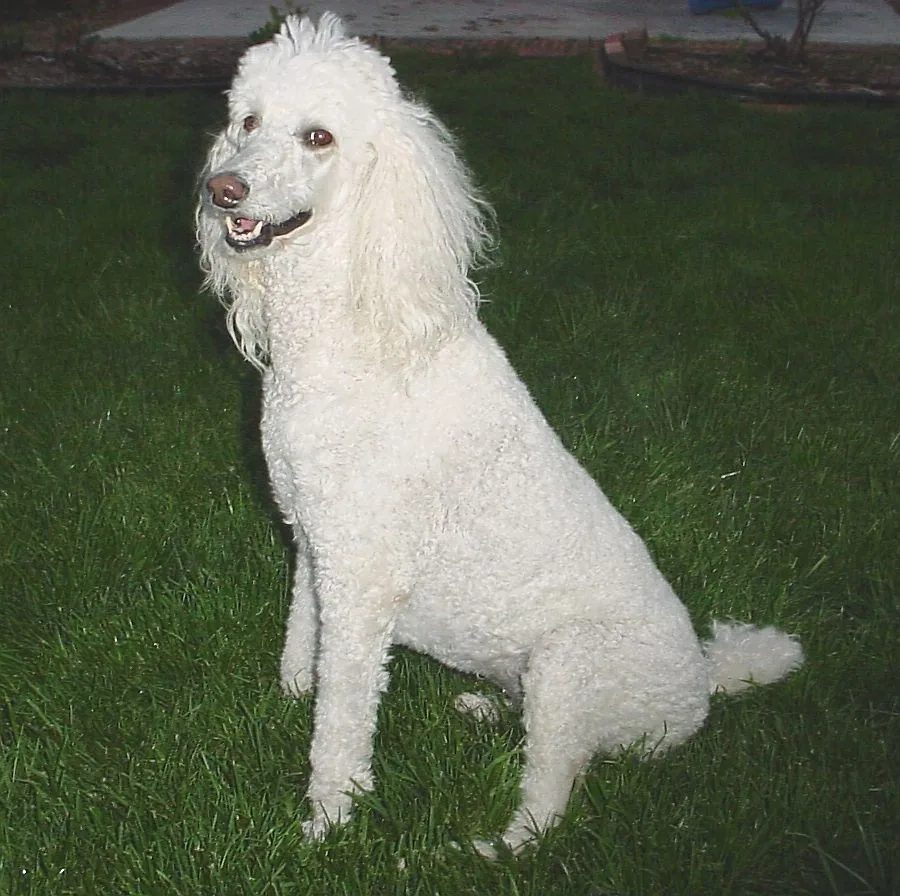
Toy Poodles combine tiny size with exceptional trainability. They are not decorative objects: many enjoy tricks, obedience and active play.
The continuously growing coat requires regular grooming. Buy a genuine Toy Poodle from health-tested lines rather than seeking an unofficial “teacup Poodle.”
3. Yorkshire Terrier
Yorkies pack terrier confidence into a small body. They can be lively, vocal and determined. Long coats require significant work unless clipped shorter.
Extremely tiny puppies may be more physically fragile, so choose health and stable growth over minimum projected adult weight.
4. Maltese
Maltese were developed as small companions and suit people who want close indoor social contact. Coat maintenance and dental care are ongoing commitments.
“Teacup Maltese” is not a separate recognized variety.
5. Pomeranian
Pomeranians are small, alert Spitz dogs with a large coat and bright personality. Their thick coat makes them more maintenance-heavy than their size suggests.
Avoid breeders whose primary selling point is producing the smallest puppy possible.
6. Shih Tzu
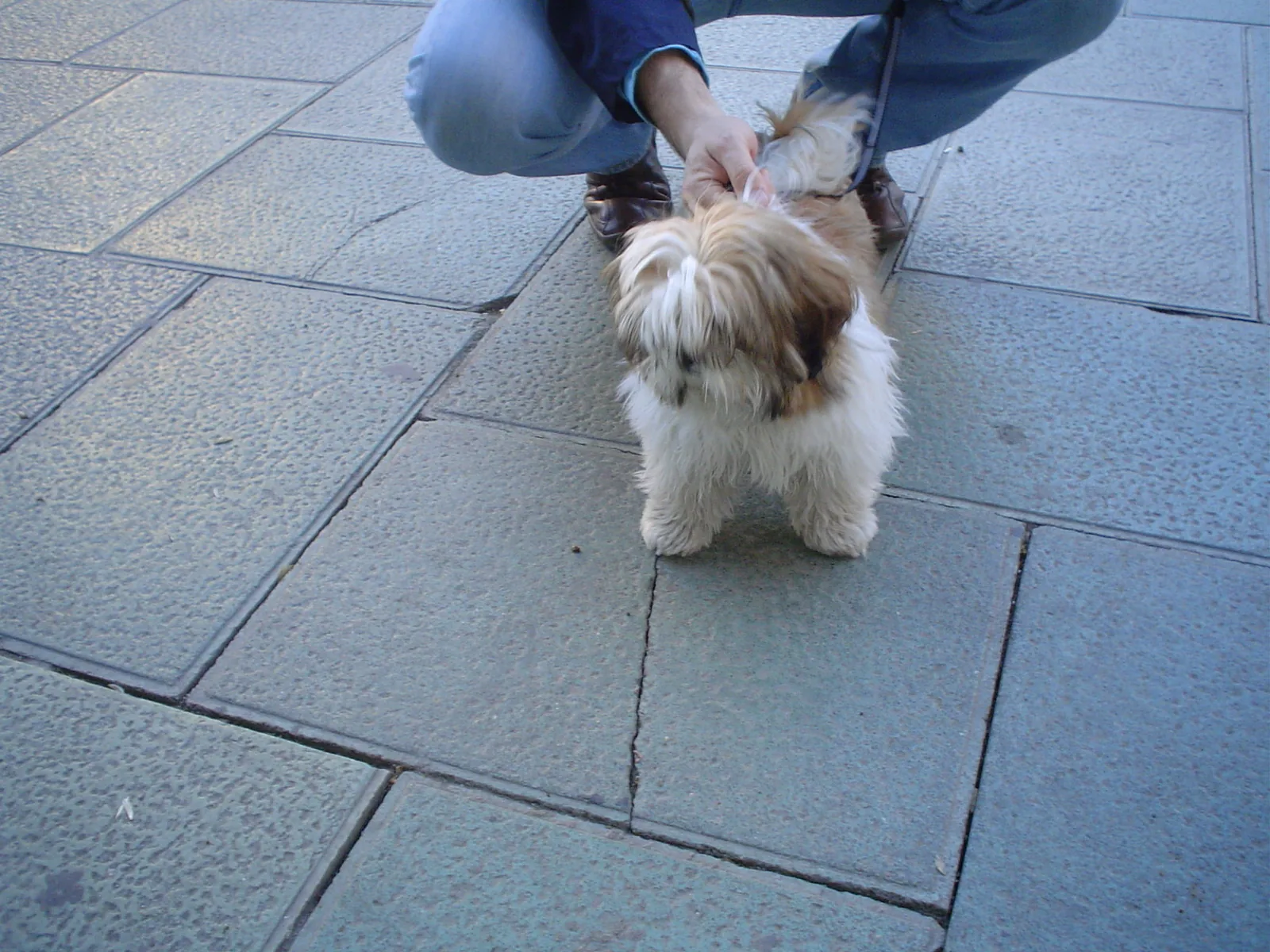
Shih Tzu are compact companion dogs with moderate exercise needs. Their short muzzle and eye/coat care make functional health important.
A deliberately miniaturized dog does not solve those breed considerations and may add fragility.
7. Pekingese
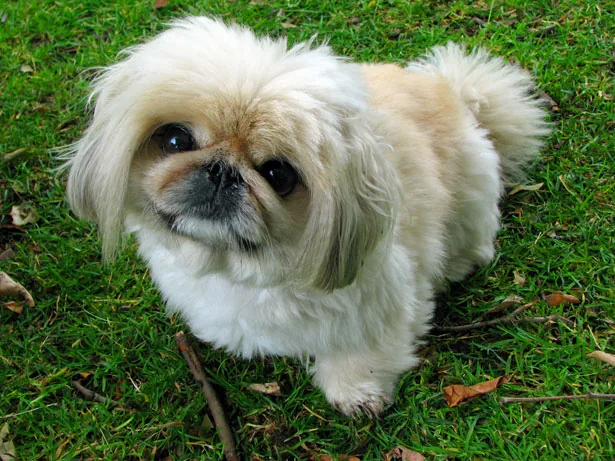
Pekingese are small, dignified companions that typically need modest exercise. Their very short face, eyes and heavy coat require thoughtful selection and hot-weather care.
Do not treat breathing limitation as proof that a tiny dog is conveniently low energy.
8. Papillon
Papillons are a useful reminder that tiny dogs can be highly athletic. They often excel in training and dog sports.
Their fine size requires safe handling, but a healthy Papillon should still move and exercise normally.
9. Brussels Griffon
Brussels Griffons are compact companion dogs with expressive faces and strong social attachment. The shortened muzzle in some individuals makes breathing and heat part of the selection conversation.
Choose a healthy dog rather than an exaggerated miniature.
Why “teacup” should make you ask more questions
A responsible breeder should be able to explain the breed standard, health tests, adult sizes in the pedigree and why a particular mating was chosen. Marketing centered on tiny projected weight, rare color or a premium price for “micro” size is a reason to slow down.
AKC's current responsible-breeder guidance says “teacup” is not an acknowledged size designation in any AKC-recognized breed.
Practical risks of extreme miniaturization
Very small dogs can be harder to keep safe from falls, accidental steps, larger dogs and cold weather. In puppies, very small body reserves can make illness more consequential.
The goal should be a healthy, functional companion—not the smallest possible adult.
FAQ
Does AKC recognize teacup dogs?
No. AKC guidance says “teacup” is not an acknowledged size designation in any AKC-recognized breed.
What is the best teacup dog?
Choose an established Toy breed at a healthy, breed-appropriate size instead. Chihuahua, Toy Poodle, Maltese and Papillon already provide tiny companionship without inventing a new category.
Are teacup dogs unhealthy?
Not every unusually small dog is sick, but deliberate extreme miniaturization can increase fragility and may accompany poor breeding priorities. Evaluate documented health testing and the individual puppy rather than the marketing label.