17 Brown Dog Breeds and Brown-Coat Varieties: Sporting, Working & Companion Dogs
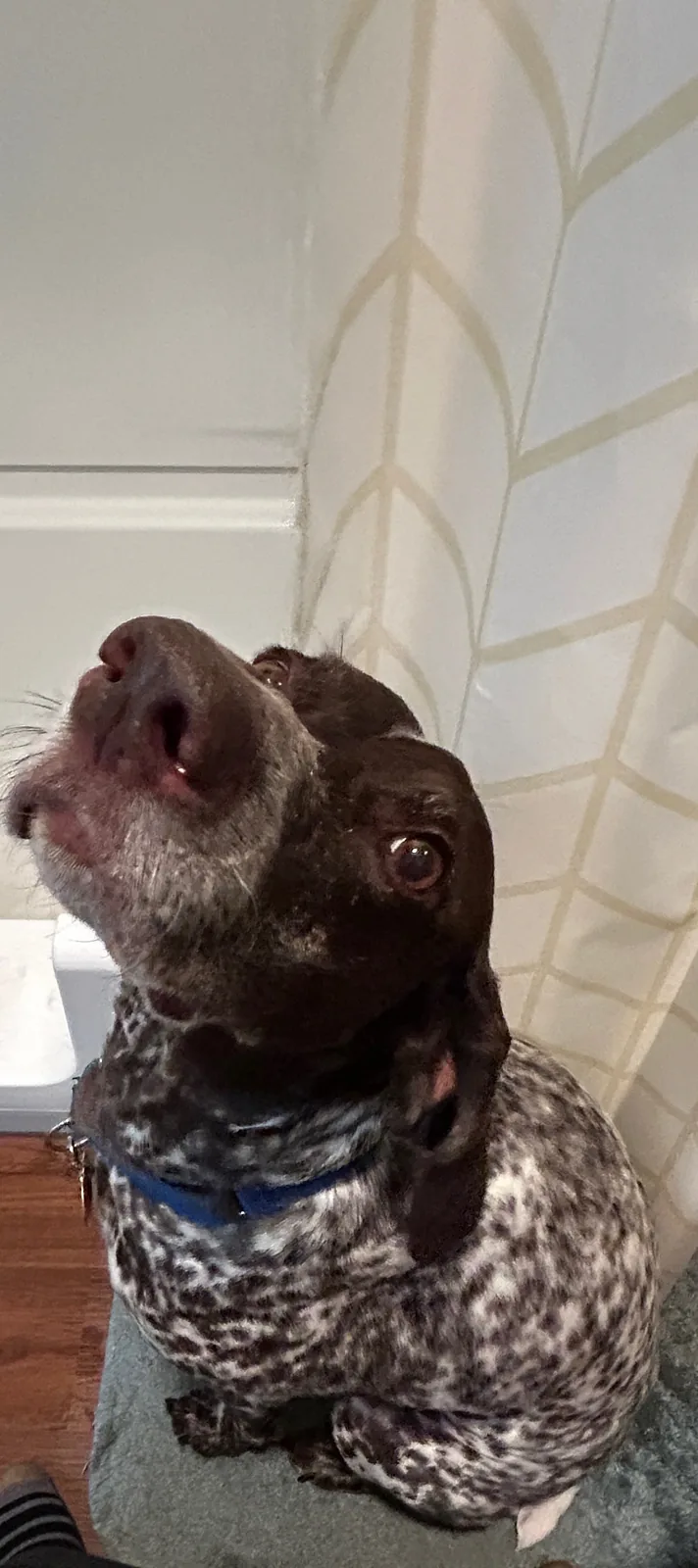
“Brown dog” sounds simple until breed standards get involved. Depending on the breed, a brown-looking coat may officially be called chocolate, liver, red, fawn, deadgrass or brown. Those terms are not interchangeable genetic labels, and the shade should never be a higher priority than temperament, health and fit.
Here are 17 breeds in which brown or brown-adjacent colors are part of the real breed picture.
Quick comparison
| Breed / variety | Brown terminology commonly used | General type |
|---|---|---|
| Labrador Retriever | Chocolate | Sporting retriever |
| Chesapeake Bay Retriever | Brown / sedge / deadgrass | Sporting retriever |
| Boykin Spaniel | Liver / brown | Sporting spaniel |
| German Shorthaired Pointer | Liver / liver & white | Sporting pointer |
| Dachshund | Chocolate, red and combinations | Hound |
| Poodle | Brown | Non-Sporting / companion-sporting heritage |
| Newfoundland | Brown | Giant working dog |
| Irish Water Spaniel | Liver | Sporting spaniel |
| Lagotto Romagnolo | Brown / brown roan combinations | Sporting/truffle dog |
| American Water Spaniel | Liver / chocolate / brown | Sporting spaniel |
| Curly-Coated Retriever | Liver | Sporting retriever |
| Doberman Pinscher | Red & rust | Working guardian |
| Boxer | Fawn | Working companion |
| Shih Tzu | Liver/brown pigmentation can occur | Toy companion |
| Chihuahua | Chocolate / fawn / red among many colors | Toy companion |
| Australian Shepherd | Red / red merle | Herding |
| Cocker Spaniel | Brown/chocolate variants | Sporting spaniel |
1. Chocolate Labrador Retriever
Chocolate is an established Labrador coat color, but color does not change the breed's fundamental identity: Labs are energetic sporting retrievers that typically need exercise, training and close involvement with people.
Do not pay a premium simply because a puppy is marketed as a rare “designer chocolate.” Verify health screening and temperament first.
For daily-life considerations beyond coat color, see our Labrador Retriever temperament, exercise and care guide.
2. Chesapeake Bay Retriever
Chesapeake Bay Retrievers are famous for coats in colors associated with their working environment, including brown, sedge and deadgrass shades. They are powerful, serious retrievers with a more independent/watchful reputation than many Labs and Goldens.
A Chessie is a lifestyle decision, not just a beautiful brown coat.
3. Boykin Spaniel
The Boykin Spaniel is strongly associated with a rich brown/liver coat. Developed as a versatile South Carolina hunting dog, the breed combines manageable medium size with real sporting energy.
4. German Shorthaired Pointer
“Liver” is the important term in GSPs. Dogs can be solid liver or liver combined with white/ticking/roaning patterns depending on the individual.
The beautiful coat is easy to care for; the high activity requirement is the larger ownership issue.
Read the German Shorthaired Pointer temperament and exercise guide for the breed's everyday needs.
5. Dachshund
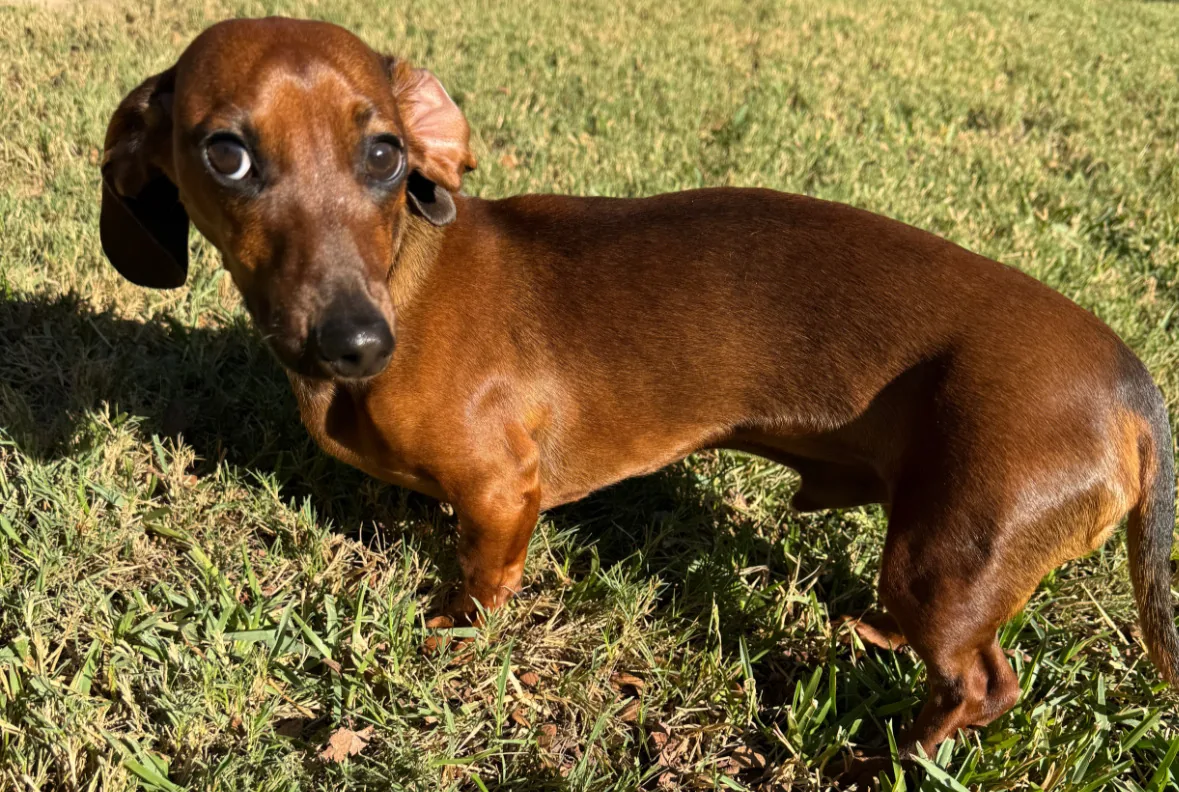
Dachshunds can appear in a wide range of colors and patterns, including chocolate-based combinations and multiple red/brown-looking shades.
The breed comes in smooth, longhaired and wirehaired coats. Choose for temperament, breeder health practices and body structure—not color novelty.
See the Dachshund temperament and care guide for more about living with the breed.
6. Poodle
Brown is a recognized Poodle color, and it can appear across Standard, Miniature and Toy varieties.
A brown Poodle still comes with the defining Poodle ownership commitment: regular grooming and substantial mental engagement.
Compare grooming needs and sizes in our Poodle guide.
7. Newfoundland
Newfoundlands can be brown. This is a giant working breed historically associated with water work and rescue, so size, drool, coat and orthopedic health matter much more than whether the coat is black or brown.
8. Irish Water Spaniel
The Irish Water Spaniel has a distinctive curly liver-colored coat. It is an athletic sporting breed rather than a decorative curly-coated companion.
9. Lagotto Romagnolo
Lagotti can occur in brown and brown-roan combinations. They are best known today for truffle work and have a curly coat that needs maintenance.
Their scent-work heritage also suits owners interested in tracking and scent work.
10. American Water Spaniel
The American Water Spaniel is a compact sporting dog whose standard colors include liver/chocolate/brown shades. It was developed as a versatile hunting companion.
11. Curly-Coated Retriever
Curly-Coated Retrievers come in black or liver. AKC breed material explicitly identifies liver as the brown color option.
This is a large, athletic retriever with a distinctive tight curl—not simply a brown version of a Labrador.
12. Doberman Pinscher — red and rust
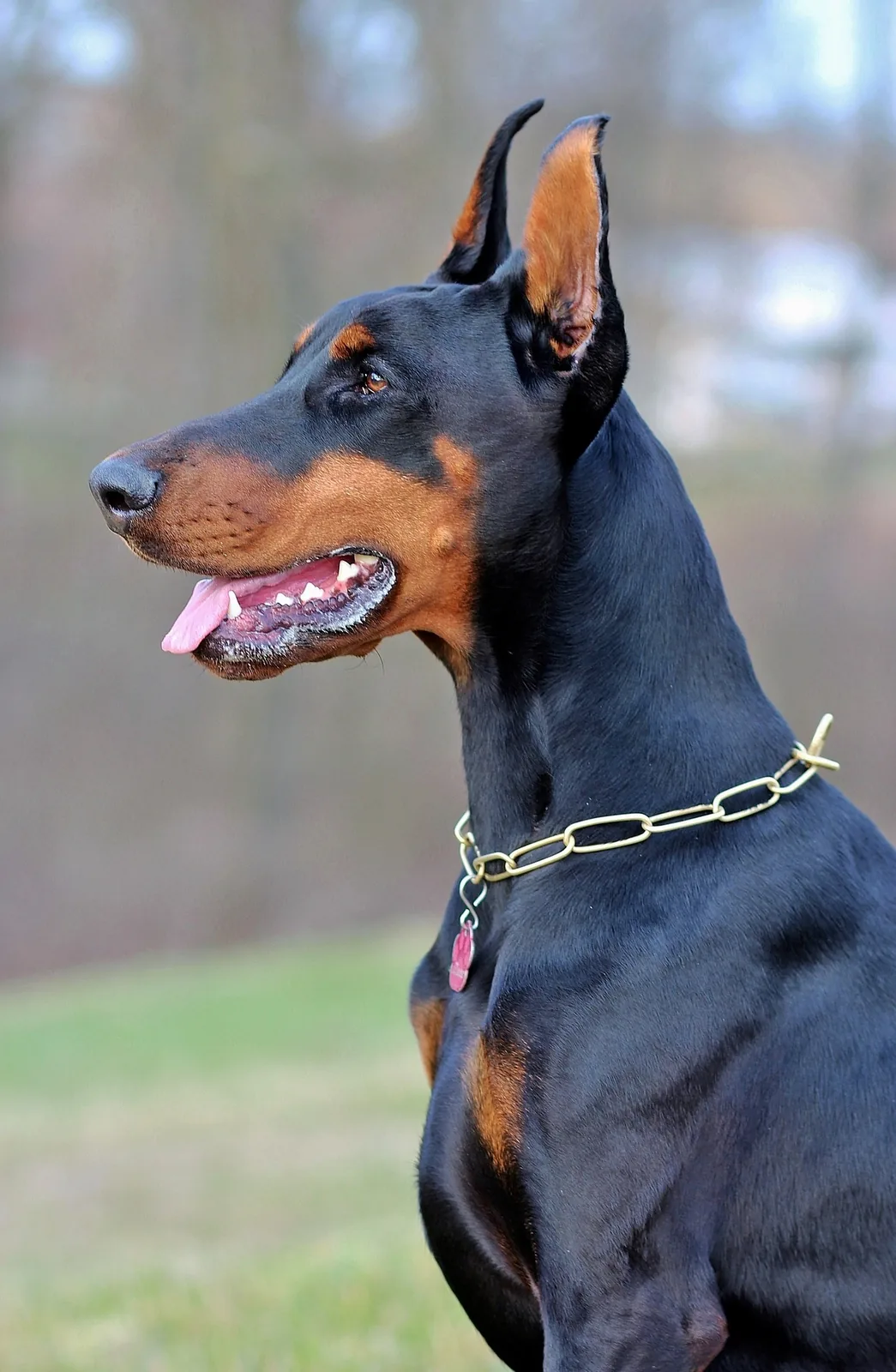
Dobermans commonly bring black-and-rust to mind, but red-and-rust is another established color combination. Genetically/visually it creates a distinctly brown-toned dog.
Do not seek unusual diluted colors at the expense of health and responsible breeding.
13. Boxer — fawn
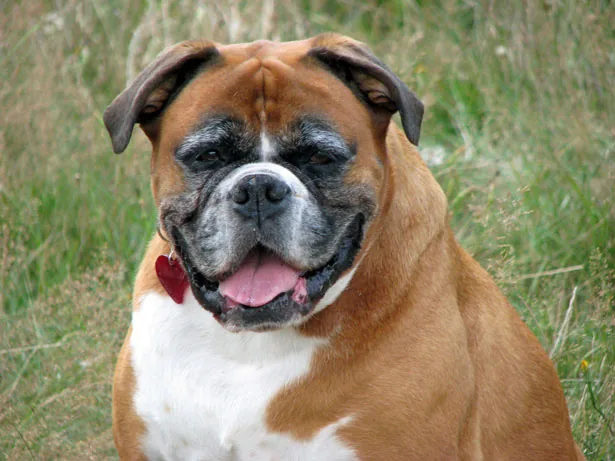
Fawn Boxers can range in depth and often read visually as tan/brown. Brindle overlays dark striping on a fawn base.
The Boxer is a muscular, playful working dog with substantial social and exercise needs.
14. Shih Tzu
Shih Tzu coats occur in many colors, and liver/brown pigmentation can be part of the breed's color palette. Coat color is only one small piece of ownership; grooming and brachycephalic health considerations matter more.
15. Chihuahua
Chihuahuas can appear in chocolate, fawn, red and many other colors. Small size does not reduce the need for sound temperament, dental care and safe handling.
16. Australian Shepherd — red and red merle
Red Australian Shepherds range from warm copper/brown-looking solid patterns to red merle. The color is striking, but the breed's herding brain and exercise requirement should drive the decision.
17. Cocker Spaniel
Cocker Spaniels can appear in brown/chocolate shades depending on variety and registration system. Their coat requires regular care and ears need attention.
Brown, chocolate, liver, red and fawn are not one color name
Search users often use “brown” as a visual umbrella. Breed standards use more precise terminology.
It helps to separate two levels:
- what the coat looks like to an ordinary owner: brown;
- what the breed calls it: chocolate, liver, red, fawn, etc.
Do not rewrite a standard color term just to force the keyword “brown dog.”
Does coat color affect temperament?
A dog's coat color does not give you a reliable shortcut to personality. Breed purpose, genetics, early development, socialization, training and the individual dog matter more.
Some color genes can be associated with specific health concerns in particular breeds or combinations, but that is a breed/genetic question—not evidence that “brown dogs” share one health profile.
How to choose a brown dog responsibly
Choose in this order:
- lifestyle fit;
- stable temperament;
- responsible breeding or suitable rescue match;
- health screening;
- size and grooming;
- then preferred coat color.
FAQ
Is liver the same as brown in dogs?
“Liver” is the formal color term used in a number of breeds for a brown-pigment phenotype. Owners may simply call the dog brown, but standards often use liver.
Are chocolate Labs a separate breed?
No. Chocolate is a Labrador Retriever color, not a separate breed.
Are brown dogs rarer?
It depends entirely on the breed and genetics. Brown is common in some breeds and relatively uncommon in others.
Sources & further reading
- AKC — Colors and Markings database
- AKC — Retriever Breeds
- AKC — Spaniel Breeds
- AKC — Curly-Coated Retriever facts
The first-month plan after choosing from 17 Brown Dog Breeds and Brown-Coat Varieties: Sporting, Working & Companion Dogs
Keep the first weeks predictable. A dog selected through 17 Brown Dog Breeds and Brown-Coat Varieties: Sporting, Working & Companion Dogs needs a quiet sleep area, a consistent toileting and feeding schedule, short reward-based lessons, controlled introductions and enough rest. Delay crowded outings and unrestricted greetings until you understand recovery, handling comfort and responses to the home. Management is not a substitute for training, but it prevents rehearsal of unsafe behavior while learning begins.
Record sleep, appetite, elimination, exercise, triggers and the time needed to settle. Share sudden changes with a veterinarian and emerging behavior risks with an appropriately qualified professional. Revisit the assumptions that led to the 17 Brown Dog Breeds and Brown-Coat Varieties: Sporting, Working & Companion Dogs choice after two and four weeks. Adjust the plan to the individual in front of you rather than trying to make the dog match a breed summary.
A final trade-off record for 17 Brown Dog Breeds and Brown-Coat Varieties: Sporting, Working & Companion Dogs
Before deciding, give every remaining candidate one strongest advantage, one hardest daily requirement and one failure mode. For 17 Brown Dog Breeds and Brown-Coat Varieties: Sporting, Working & Companion Dogs, a failure mode might be escape, conflict with another animal, grooming that is repeatedly postponed, exercise needs that exceed the weekday schedule, or strength that one household member cannot manage. Write the prevention and backup for each one. If the backup depends on perfect weather, unlimited money or a single person never being unavailable, it is not robust enough.
Keep the record after placement. It becomes a practical reminder of why training, fencing, health screening or coat care mattered. The exercise also helps separate a passing preference from a durable match. 17 Brown Dog Breeds and Brown-Coat Varieties: Sporting, Working & Companion Dogs is useful when it makes the trade-offs clearer, not when it creates pressure to choose a winner.
Review point for 17 Brown Dog Breeds and Brown-Coat Varieties: Sporting, Working & Companion Dogs
Set a date to revisit the decision and name the observation that would bring the review forward. For 17 Brown Dog Breeds and Brown-Coat Varieties: Sporting, Working & Companion Dogs, a meaningful trigger might be discomfort, repeated equipment failure, a change in health or behavior, a household routine that no longer meets the dog's needs, or reliable new evidence. Record the current choice and its largest accepted limitation so the later review compares reality with the reason for choosing it.
A review is not an admission that the first decision failed. Dogs, products, services and households change. Keep what continues to work, replace assumptions with direct observation and involve a veterinarian or appropriately qualified professional when health, welfare or serious behavior is involved. 17 Brown Dog Breeds and Brown-Coat Varieties: Sporting, Working & Companion Dogs remains useful only while the plan is safe for the individual dog and sustainable for the people responsible for it.