9 Dog Breeds That May Handle Short Alone Time Better — With Training
The historical headline overpromises. No responsible breed guide should claim that a dog simply “doesn't mind” being left home alone for hours. Dogs are social animals, individual tolerance varies and puppies require much more frequent care than adults.
Current AKC guidance commonly places adult alone time around four to six hours at a time as a general range, while other expert guidance cited by AKC treats six to eight hours without a bathroom break as an upper limit—not a daily target.
The breeds below often have somewhat more independent temperaments or lower indoor intensity, but training and the individual dog matter more than the list.
At a glance
| Breed | Independence | Indoor energy | Grooming | Main trade-off |
|---|---|---|---|---|
| Greyhound | Moderate | Often calm | Low | Prey drive |
| Whippet | Moderate | Often calm | Low | Prey drive/cold |
| Lhasa Apso | Moderately high | Moderate | High | Grooming/barking |
| Tibetan Spaniel | Moderately high | Low-moderate | Moderate | Alert barking |
| Shiba Inu | High | Moderate | Low | Training/escape |
| Basenji | High | Moderate-high | Low | Boredom/prey |
| Basset Hound | Moderate | Low-moderate | Low | Weight/ears/vocal |
| Chow Chow | High | Low-moderate | High | Socialization/grooming |
| Miniature Schnauzer | Moderate | Moderate | High | Barking/grooming |
1. Greyhound — calm adult indoor behavior
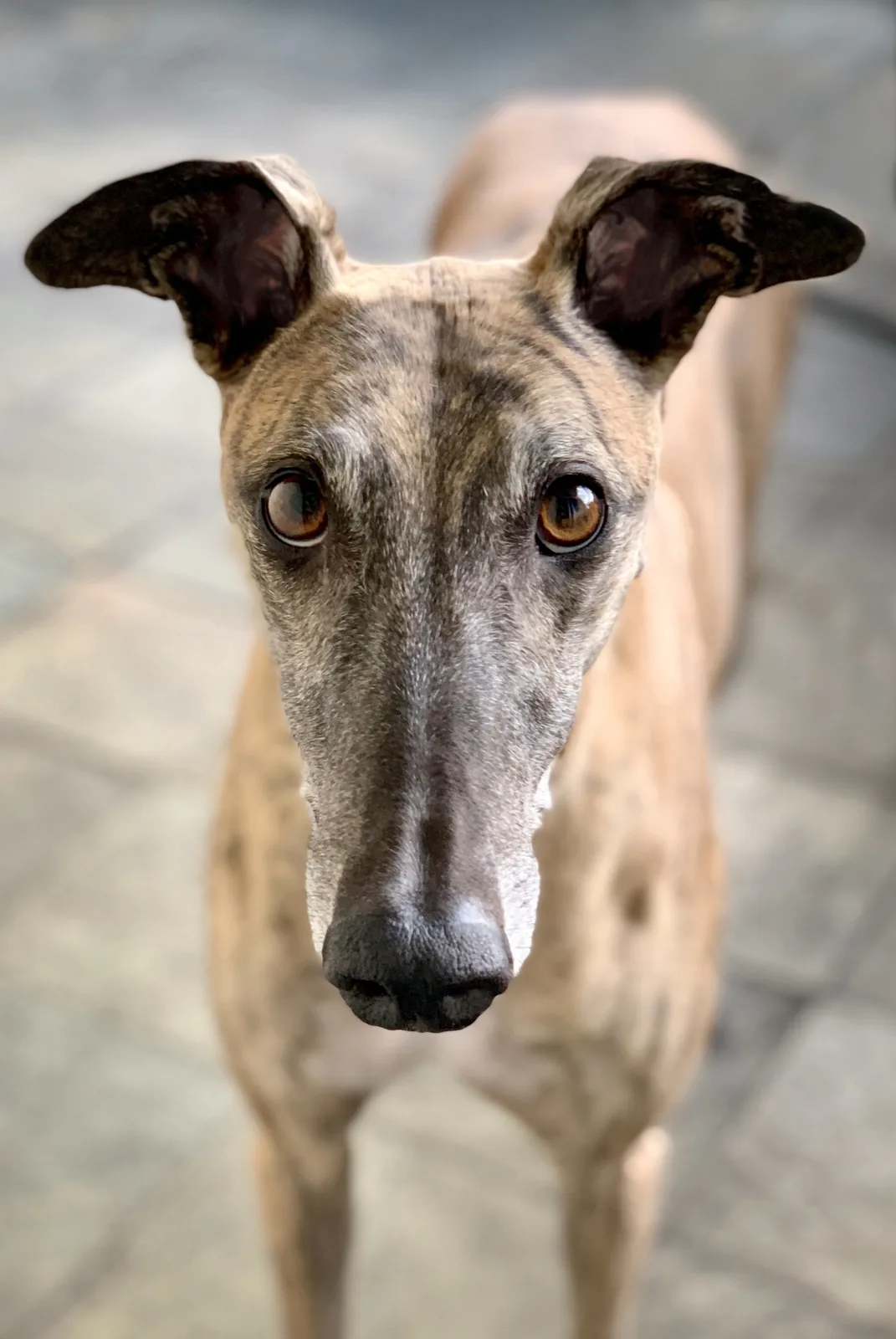
Retired racing and adult Greyhounds are often surprisingly calm indoors after appropriate exercise. That makes them easier to picture in a working household than their athletic appearance suggests.
They can still develop separation distress and need gradual alone-time training. Prey drive and secure walking are major considerations.
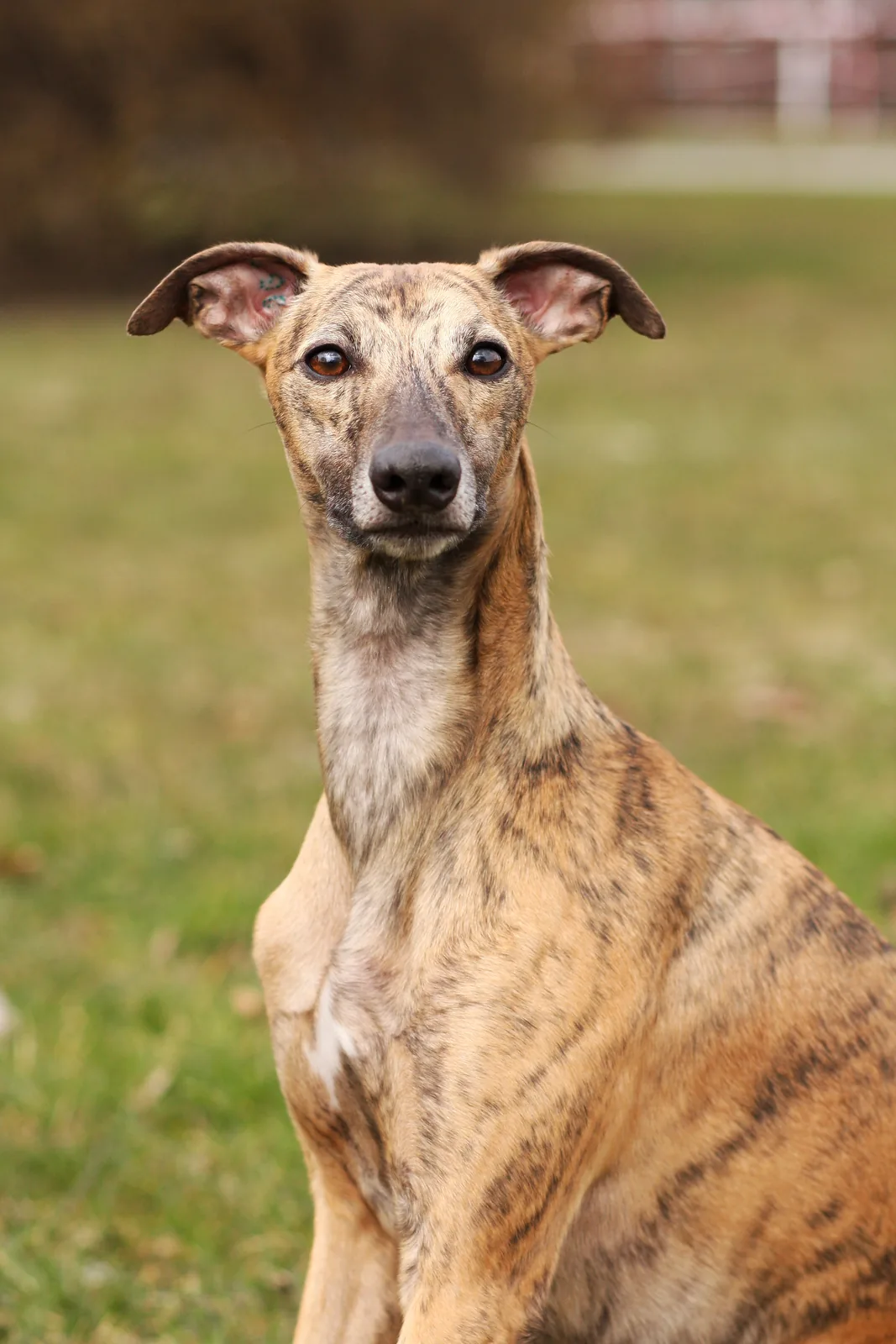
2. Whippet — quiet at home for many adults
Whippets often alternate short athletic bursts with long periods of rest. Many adults are quiet indoors and relatively simple to groom.
They are socially attached dogs, so do not assume independence. Teach absence gradually and use a camera to see whether the dog is actually relaxed.
3. Lhasa Apso — independent companion
Lhasa Apsos can be more self-possessed than highly velcro companion breeds. They still require exercise, grooming and interaction.
Their sentinel background can produce alert barking when left near windows or hallway noise.
4. Tibetan Spaniel — compact and self-contained
Tibetan Spaniels often combine companionship with a slightly independent, watchful temperament. They may settle well after moderate activity but can become vocal if every outside sound becomes an event.
5. Shiba Inu — independent does not mean easy
Shiba Inu are often described as independent and may cope with personal space better than velcro breeds. The trade-off is training: recall, handling and escape prevention can be challenging.
An independent dog can still be bored or distressed when left too long.
6. Basenji — self-directed and clever
Basenjis are independent hunting dogs that may tolerate separation better than some highly dependent breeds—but clever, under-stimulated Basenjis can invent destructive activities.
Exercise and enrichment before an absence matter.
7. Basset Hound — lower-key adult routine
Basset Hounds often have a slower adult pace and can be content to rest after appropriate walks. They still need companionship and can be vocal.
Weight management, ears and body-structure considerations deserve attention.
8. Chow Chow — reserved and independent
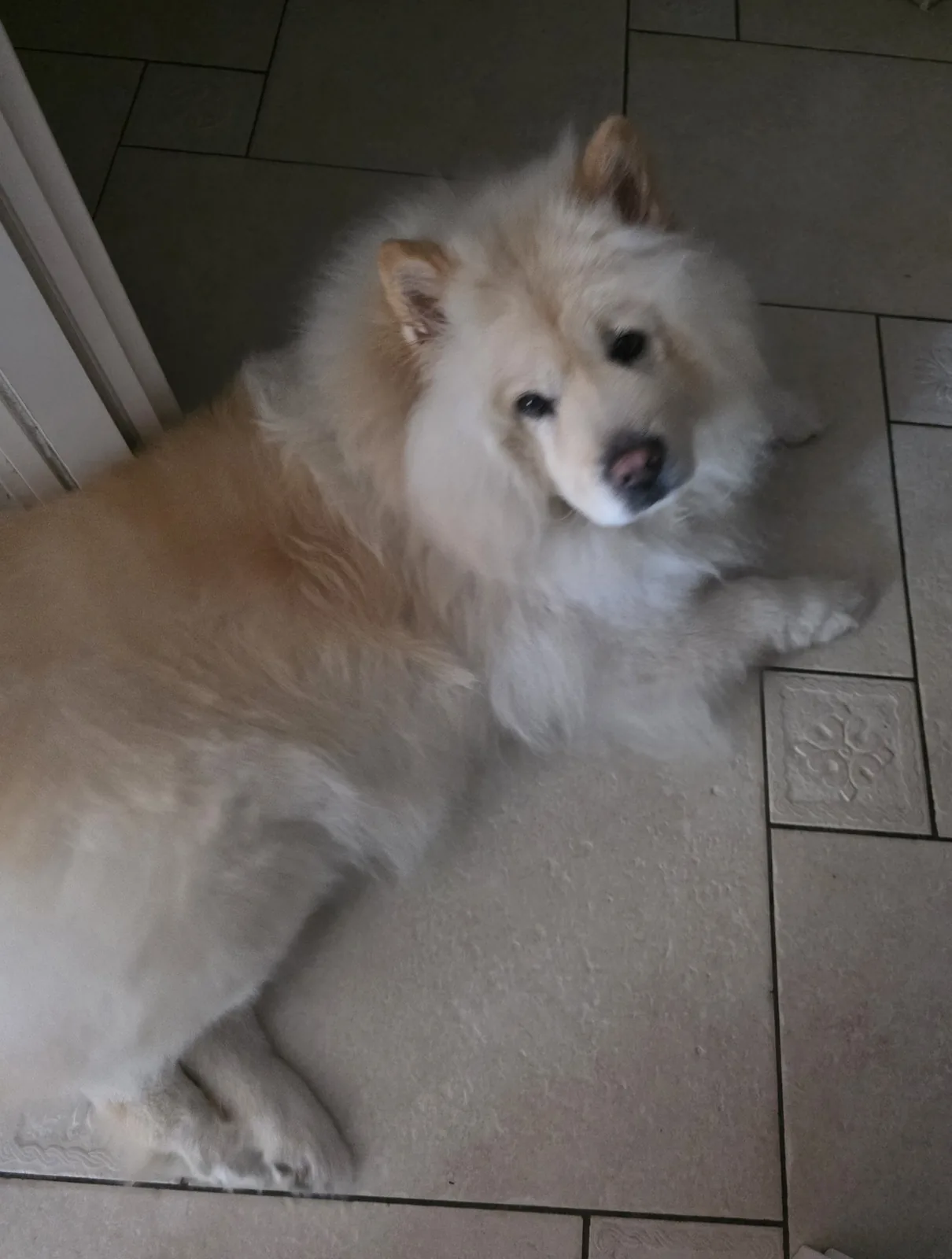
Chow Chows can be markedly independent and less socially demanding than many retrievers or companion breeds. That temperament requires excellent early socialization and thoughtful handling.
Independence should not be confused with zero emotional needs.
9. Miniature Schnauzer — practical small-household option
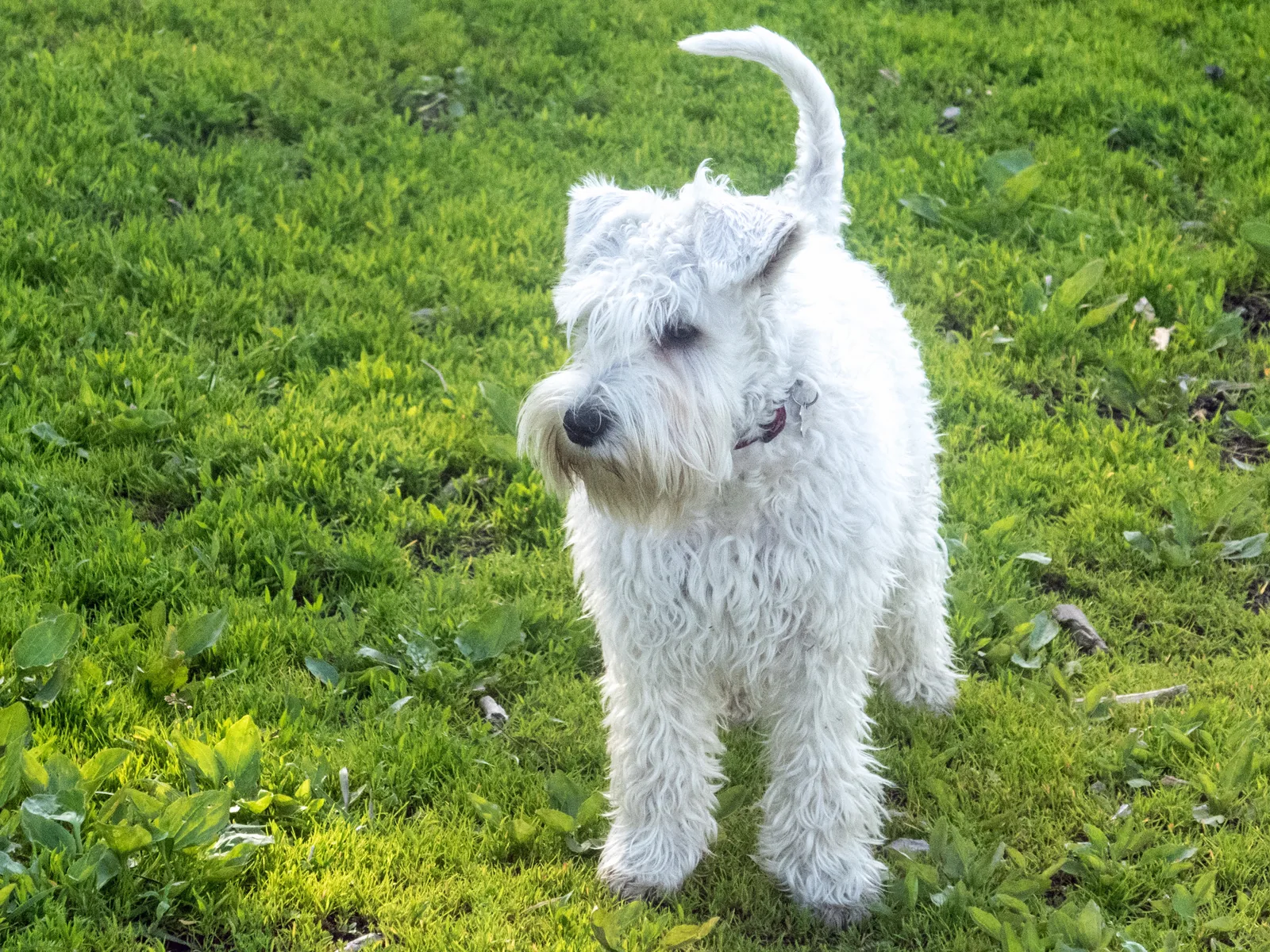
Miniature Schnauzers can adapt to workday routines when exercise and alone training are handled well. They are active enough to enjoy daily walks but compact enough for smaller homes.
Alert barking is the common challenge.
A camera tells you more than a breed list
Record the dog during absences. Relaxed sleep is very different from pacing, panting, repeated barking, drooling, destructive escape attempts or toileting caused by distress.
If the dog shows separation-anxiety signs, simply increasing absence duration is not training. Work with a veterinarian and qualified behavior professional where needed.
How to build alone time
Start with short, successful absences and increase gradually. Provide appropriate exercise and a toilet break beforehand. Use safe enrichment that the individual dog can have unsupervised.
Puppies require a different schedule; bladder control and social-development needs make long absences inappropriate.
Full workday? Build a care plan
If the household is routinely away eight or more hours including travel, plan a midday human break rather than trying to identify a magical breed that does not need one.
A dog walker, trusted neighbor, family member, pet sitter or suitable daycare can make the difference between a workable routine and chronic isolation.
FAQ
What dog can be left alone for eight hours?
We would not select a breed on that promise. Some adult individuals cope better than others, but a regular eight-hour absence is better broken up with a toilet and social visit.
Are Greyhounds good for people who work?
Many adult Greyhounds are calm indoors, but individual separation tolerance varies. Teach alone time and verify behavior with a camera.
Does getting two dogs solve separation anxiety?
Not necessarily. Separation anxiety is often focused on human absence, and a second dog can add cost and complexity without solving it.
Sources & further reading
- AKC — Can You Have a Dog While Working a Full-Time Job?
- AKC — Alone Time for Dogs
- AKC — How Long Can You Leave a Puppy Alone?
- AKC — Separation Anxiety in Dogs