Best Dog Breeds for Runners: 10 Athletic Partners + Safety Guide
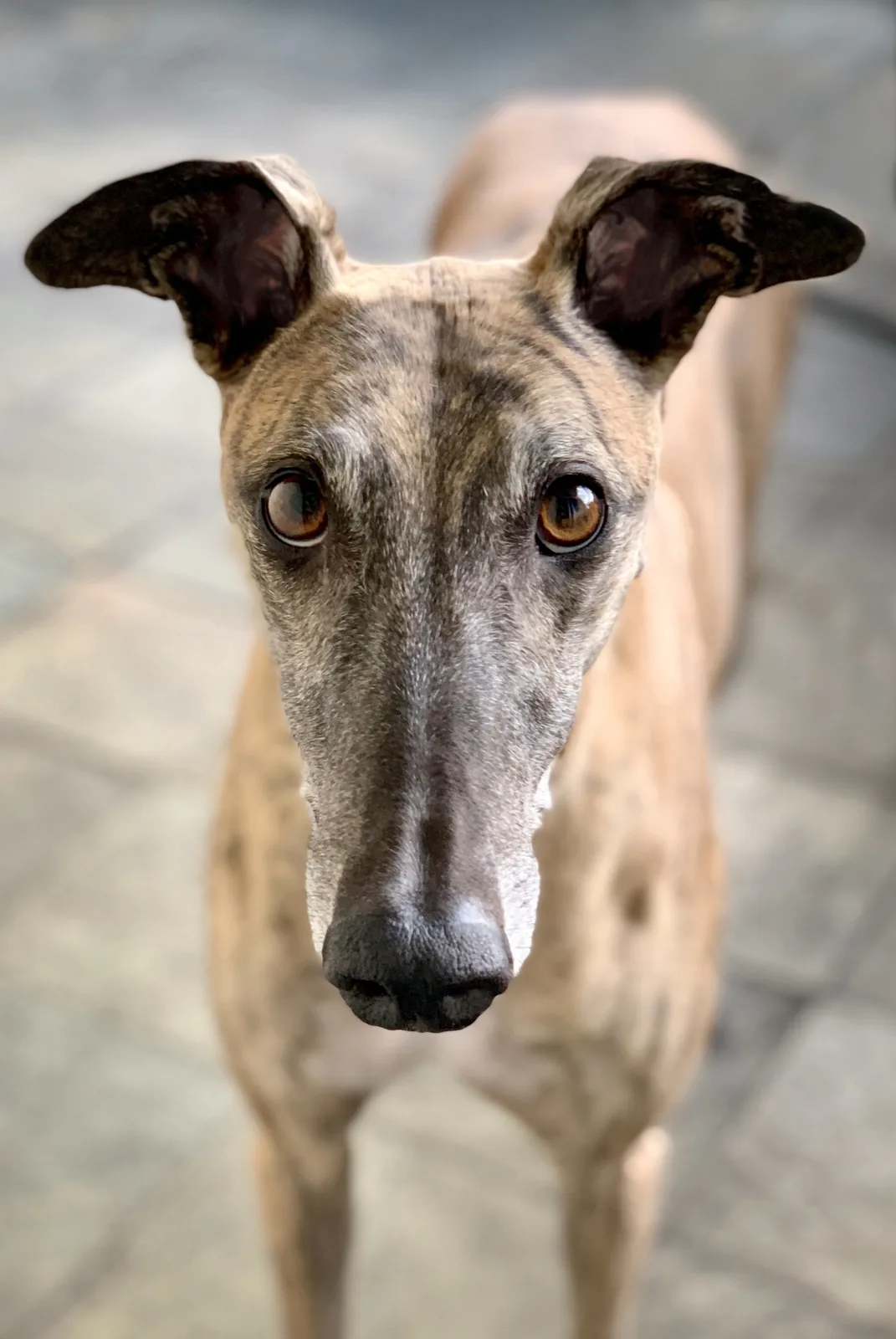
A good running dog needs more than speed. The best partner has suitable structure, health, endurance, trainability and a temperament that can stay controlled around traffic, dogs and distractions.
Even within athletic breeds, an individual dog may not be medically suitable for distance running. Puppies should not be pushed into sustained repetitive running while they are still developing, and adult dogs should build fitness gradually. A veterinary check is sensible before starting a serious running program.
Quick list
- German Shorthaired Pointer
- Vizsla
- Weimaraner
- Dalmatian
- Rhodesian Ridgeback
- English Springer Spaniel
- Australian Shepherd
- Border Collie
- Doberman Pinscher
- Belgian Malinois — experienced owners only
1. German Shorthaired Pointer
German Shorthaired Pointers were developed as versatile hunting dogs and are among the most natural fits for active owners. They combine speed, endurance and a strong desire for movement.
Best for: distance-oriented active homes that also provide training and mental work.
Watch for: high energy when not exercising.
2. Vizsla
Vizslas are athletic gundogs that often bond very closely with their people. They can make enthusiastic running partners once mature and conditioned.
Best for: runners who want a highly people-oriented athletic dog.
Watch for: separation difficulty in some individuals and the need for more than physical exercise.
3. Weimaraner
Weimaraners have the build and endurance for substantial activity. They tend to suit homes where exercise is part of daily life rather than an occasional weekend event.
Best for: experienced active owners.
Watch for: boredom, training consistency and prey drive.
4. Dalmatian
Dalmatians have a historical association with running alongside carriages, making endurance part of the breed's identity. They can suit runners who enjoy consistent conditioning.
Best for: active homes with training structure.
Watch for: breed-specific health considerations and heat during hard exercise.
5. Rhodesian Ridgeback
Rhodesian Ridgebacks are large athletic hounds capable of significant activity. They can be more independent than many gundogs and may require careful work on leash manners and recall.
Best for: experienced runners who like a more independent dog.
Watch for: prey drive and heat exposure.
6. English Springer Spaniel
English Springer Spaniels were bred to work actively with people in the field. Their size can be convenient for runners who want athletic ability without a very large dog.
Best for: runners who also enjoy outdoor training and games.
Watch for: coat/ear care and line-specific energy differences.
7. Australian Shepherd
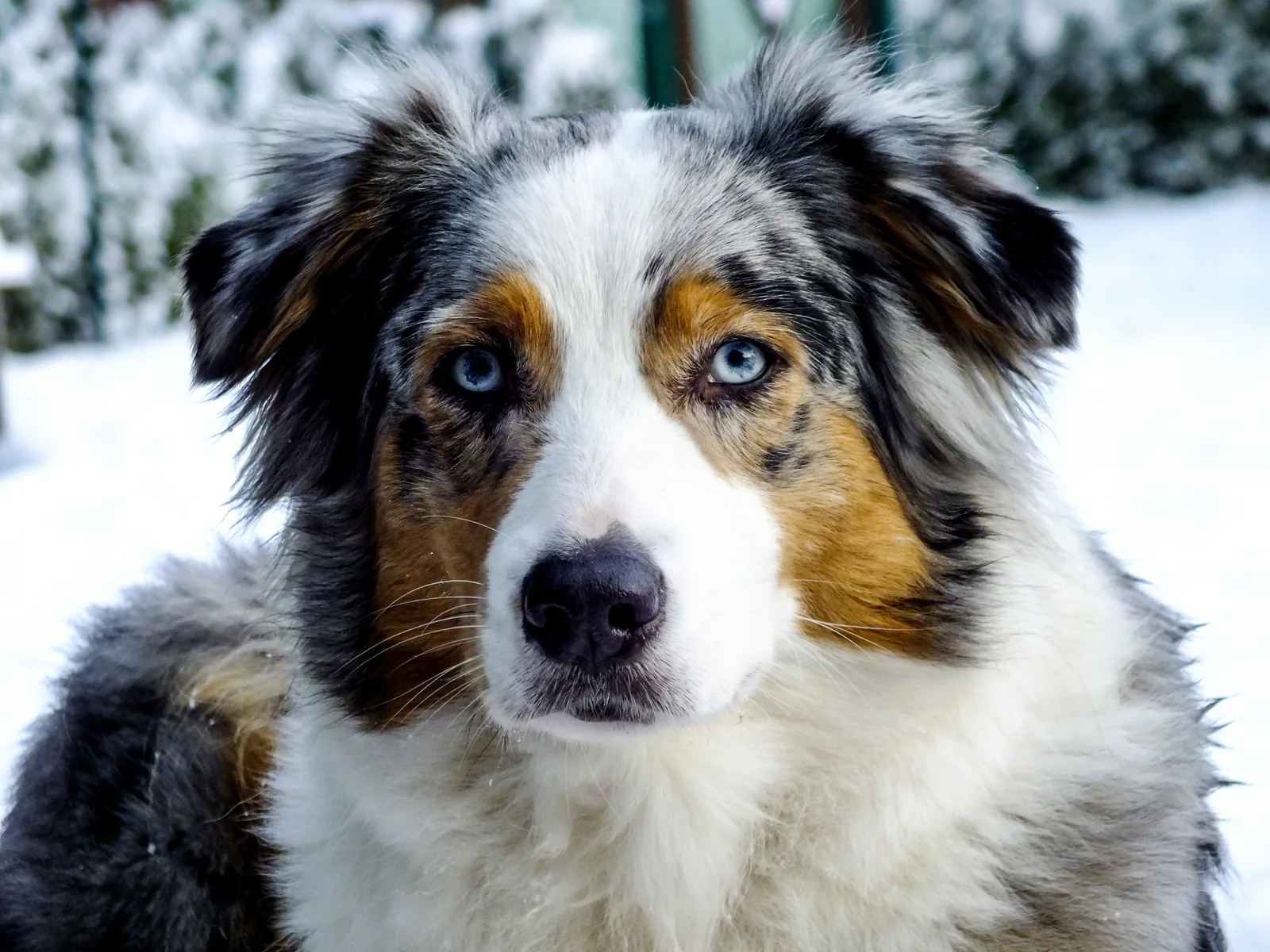
Australian Shepherds are athletic herding dogs that can make strong running partners after reaching physical maturity. They also need brain work and may not be satisfied by mileage alone.
Best for: runners who enjoy obedience, hiking or dog sports too.
Watch for: herding/chasing behavior and high mental needs.
8. Border Collie
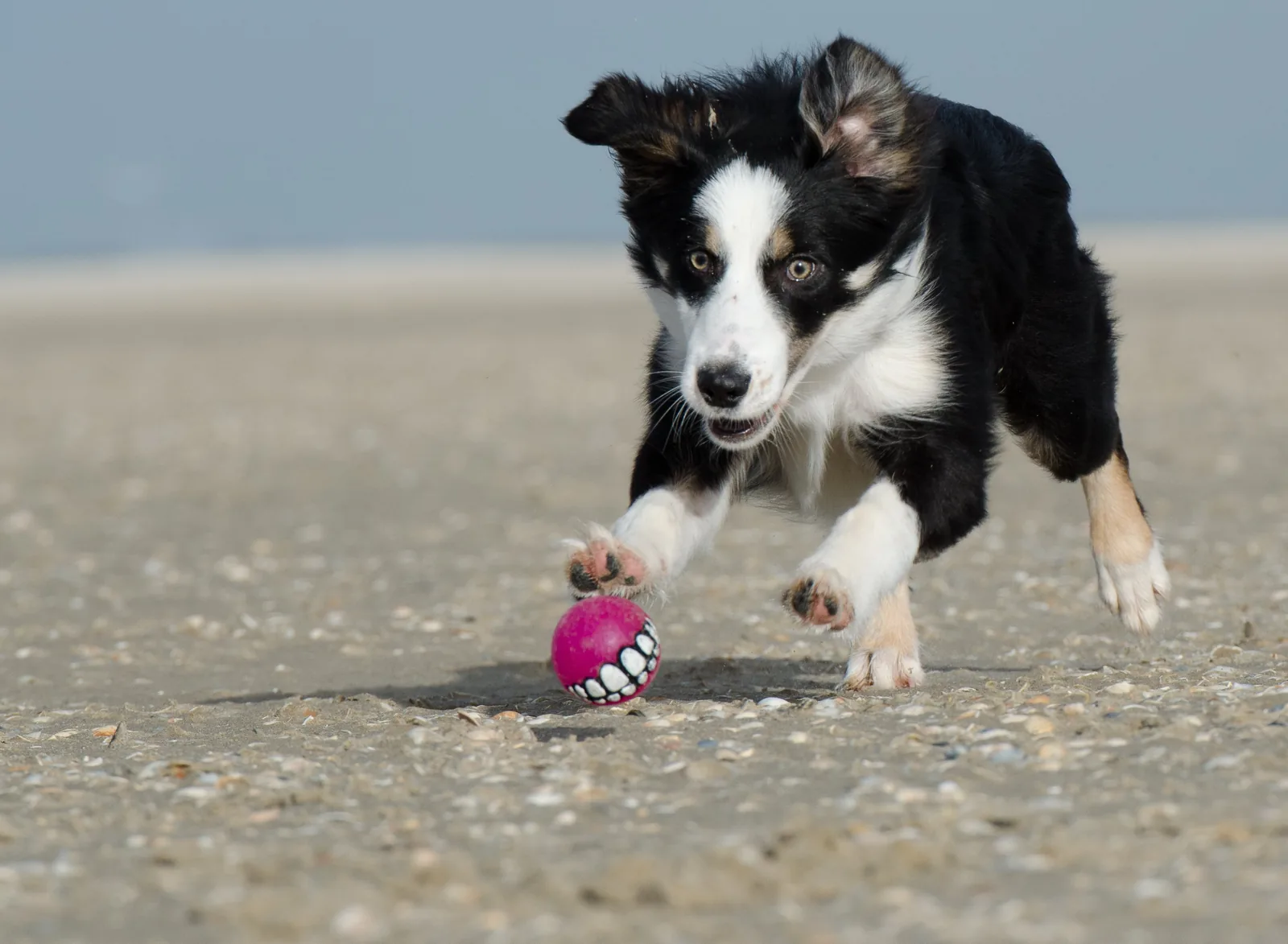
Border Collies have extraordinary athletic and learning ability. That does not mean distance running alone will satisfy them. Many need complex training and problem solving as much as physical exercise.
Best for: highly engaged owners who want a training hobby in addition to running.
Watch for: obsessive/chasing behaviors if daily life lacks structure.
9. Doberman Pinscher
Dobermans are lean, fast and highly trainable. They can make excellent active companions but their short coat offers limited cold-weather insulation.
Best for: active owners who also value obedience and close handler engagement.
Watch for: health screening, temperature extremes and gradual conditioning.
10. Belgian Malinois
A healthy mature Malinois can have exceptional athletic capacity. The reason this breed is last is not physical ability; it is ownership difficulty.
A Malinois is not a sensible choice just because you run every day. The breed commonly needs advanced training, mental work and careful arousal management beyond exercise.
Best for: experienced working-dog handlers who also run.
Watch for: extreme drive and the risk of choosing more dog than the household can manage.
Running safety matters more than breed rankings
Wait for physical maturity
Sustained repetitive running is different from puppy play. Ask your veterinarian when structured distance work is appropriate for your individual dog's growth and breed.
Build gradually
Start with walking and short run intervals. Increase distance and intensity progressively rather than expecting a new dog to match your personal training plan immediately.
Avoid heat
Dogs can develop heat stress during exercise. Run during cooler parts of warm days, provide water and stop when conditions are unsafe. Short-faced breeds are particularly poor candidates for endurance running in heat.
Watch surfaces
Hot pavement can injure paws, and repetitive hard-surface mileage may not be appropriate for every dog. Mix surfaces when practical and inspect paws.
Learn your dog's signs
Slow down or stop for unusual lagging, excessive panting, stumbling, reluctance, weakness or other signs that the dog is not coping. Seek veterinary help when symptoms are concerning.
Use appropriate equipment
A comfortable leash/harness system and reliable control are essential around roads and other trail users. Do not attach a dog in a way that compromises breathing or causes repeated neck impact.
What about brachycephalic breeds?
Flat-faced dogs such as French Bulldogs and Pugs are poor candidates for endurance running, especially in warm conditions, because airway anatomy can impair heat dissipation and breathing. Choose exercise appropriate to the individual dog's health and structure.
Bottom line
For many runners, a German Shorthaired Pointer, Vizsla, Weimaraner, Dalmatian or Springer Spaniel offers a practical combination of athleticism and partnership. Herding and working breeds can be excellent too, but mileage does not replace mental work. Whatever the breed, condition the individual dog gradually and involve a veterinarian when starting a serious program.
Sources & further reading
- www.akc.org/expert-advice/health/best-running-dogs
- www.akc.org/expert-advice/health/train-dog-to-run-with-you
- www.akc.org/expert-advice/health/four-legged-running-partner
- www.avma.org/resources-tools/pet-owners/petcare/walking-your-pet
- www.avma.org/resources-tools/pet-owners/petcare/warm-weather-pet-safety
Related reading
- 14 Fastest Dog Breeds — and What Makes Them So Quick
- German Shepherd vs Belgian Malinois: Which Working Dog Fits You?
- Doberman vs Rottweiler: Which Guardian Breed Is Right for You?
Popular breed profiles
- German Shorthaired Pointer: Temperament, Exercise, Training & Health
- French Bulldog: Temperament, Exercise, Health & Everyday Fit
- German Shepherd Dog: Temperament, Training, Exercise & Health
- Rottweiler: Temperament, Training, Exercise & Guardian-Dog Fit