9 Dog Breeds Known for Tracking and Scent Work
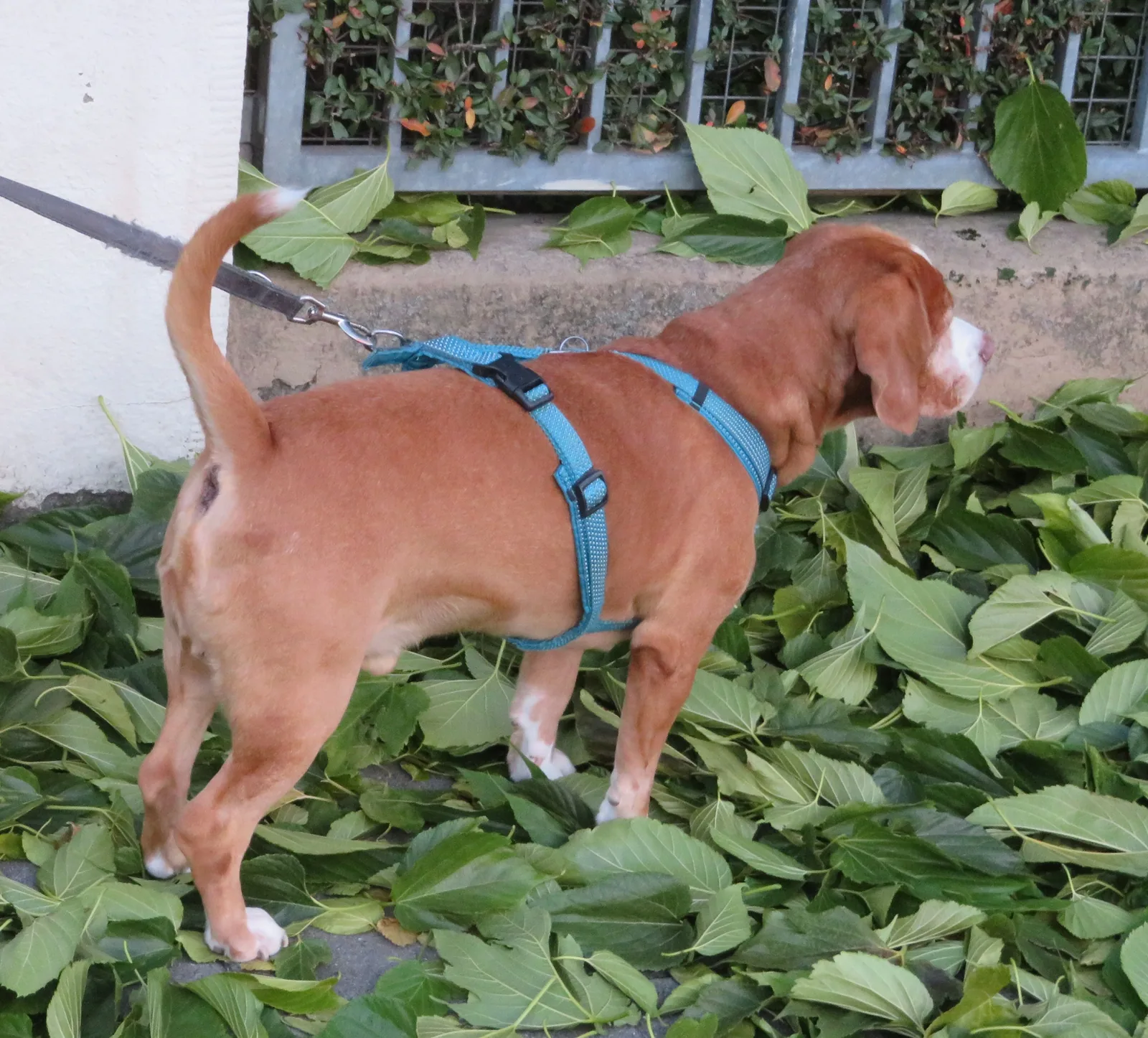
Dogs experience the world through scent in ways humans cannot. But “best tracking dog” can mean different jobs: following one person's trail, tracking wounded game, locating hidden odor, air-scent search, hunting birds or finding contraband.
The Bloodhound is the iconic trailing specialist, while Beagles, coonhounds, retrievers, pointers and working shepherds excel in different scent tasks.
Rather than pretending there is one nose leaderboard, this guide matches breeds to the scent work for which they are known.
At a glance
| Breed | Typical scent role | Nose-driven tendency | Trainability | Main strength |
|---|---|---|---|---|
| Bloodhound | Human trailing | Very high | Moderate | Specialist trail follower |
| Beagle | Ground scent/detection | Very high | Moderate | Compact scent hound |
| Basset Hound | Ground scent | High | Moderate-low | Deliberate trailing |
| Bluetick Coonhound | Game trailing | Very high | Moderate | Endurance and voice |
| German Shorthaired Pointer | Hunting/tracking | High | High | Versatile field dog |
| German Shepherd Dog | Tracking/search/detection | High | Very high | Service versatility |
| Belgian Malinois | Detection/search | High | Very high | Working intensity |
| Labrador Retriever | Detection/search | High | Very high | Motivation and sociability |
| English Springer Spaniel | Detection/search | High | Very high | Compact energetic search |
1. Bloodhound — the trailing specialist
Bloodhounds are the classic breed for following human scent trails over distance and time. Their long ears, loose skin and persistent hound temperament are part of a package developed around scent work.
They are not necessarily easy obedience dogs; the nose can dominate decision-making.
2. Beagle — compact scent powerhouse
Beagles were developed to follow scent in packs and remain intensely nose-driven. Their manageable size has also made them useful for detection roles.
Owners should expect scent to compete with recall and should provide controlled outlets such as nose work and tracking games.
3. Basset Hound — slow, deliberate ground scent
Basset Hounds were built to follow ground scent at a pace humans could follow. Short legs do not mean a weak nose.
For pet owners, body weight and structural health should be managed carefully rather than using endurance as the only measure of working quality.
4. Bluetick Coonhound — endurance trail work
Bluetick Coonhounds are vocal, athletic scent hounds developed to track game. Their persistence and range make them impressive workers and challenging casual pets.
Secure containment and realistic expectations about voice and independence are essential.
5. German Shorthaired Pointer — versatile field scenting
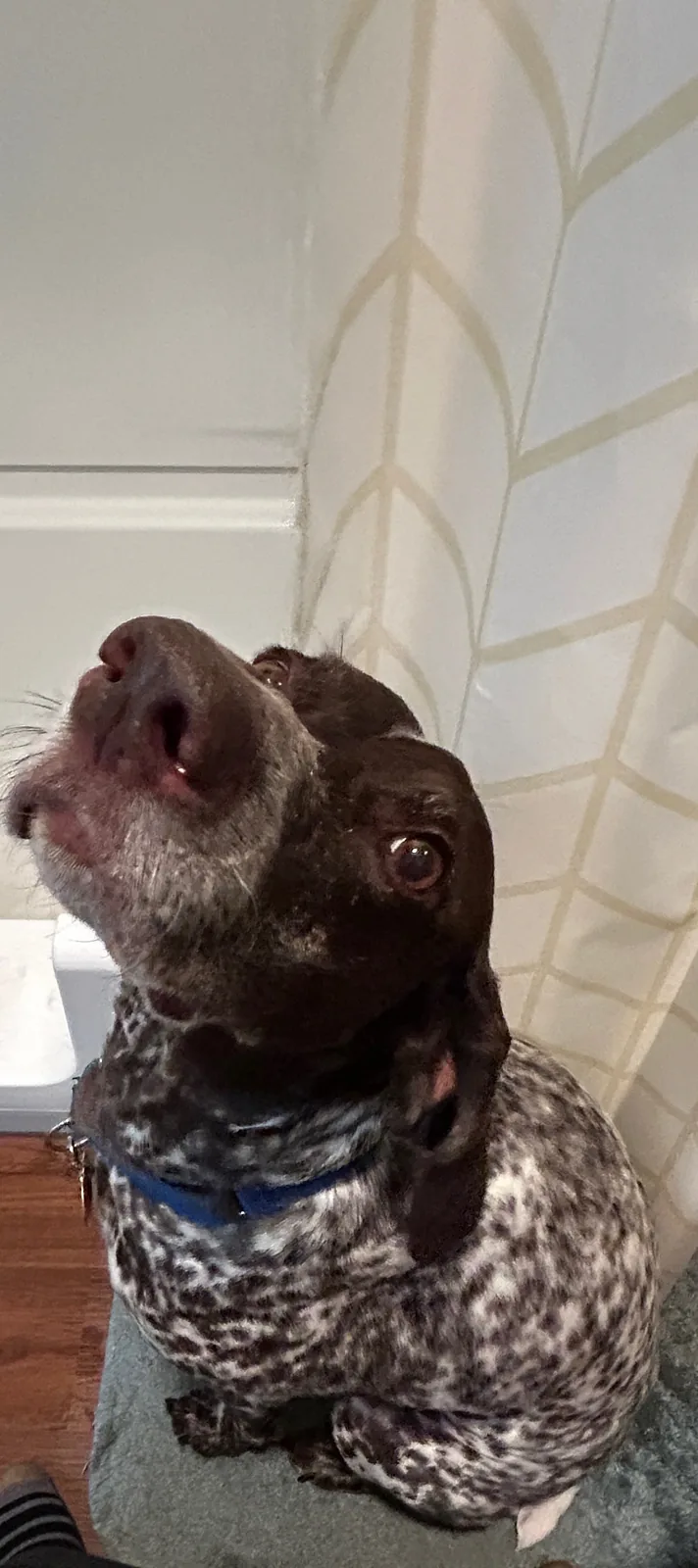
GSPs use scent to locate game and can also learn tracking and detection tasks. They bring speed and handler engagement to scent work, making them attractive for owners who want both an endurance athlete and nose-work partner.
6. German Shepherd Dog — versatile service tracking
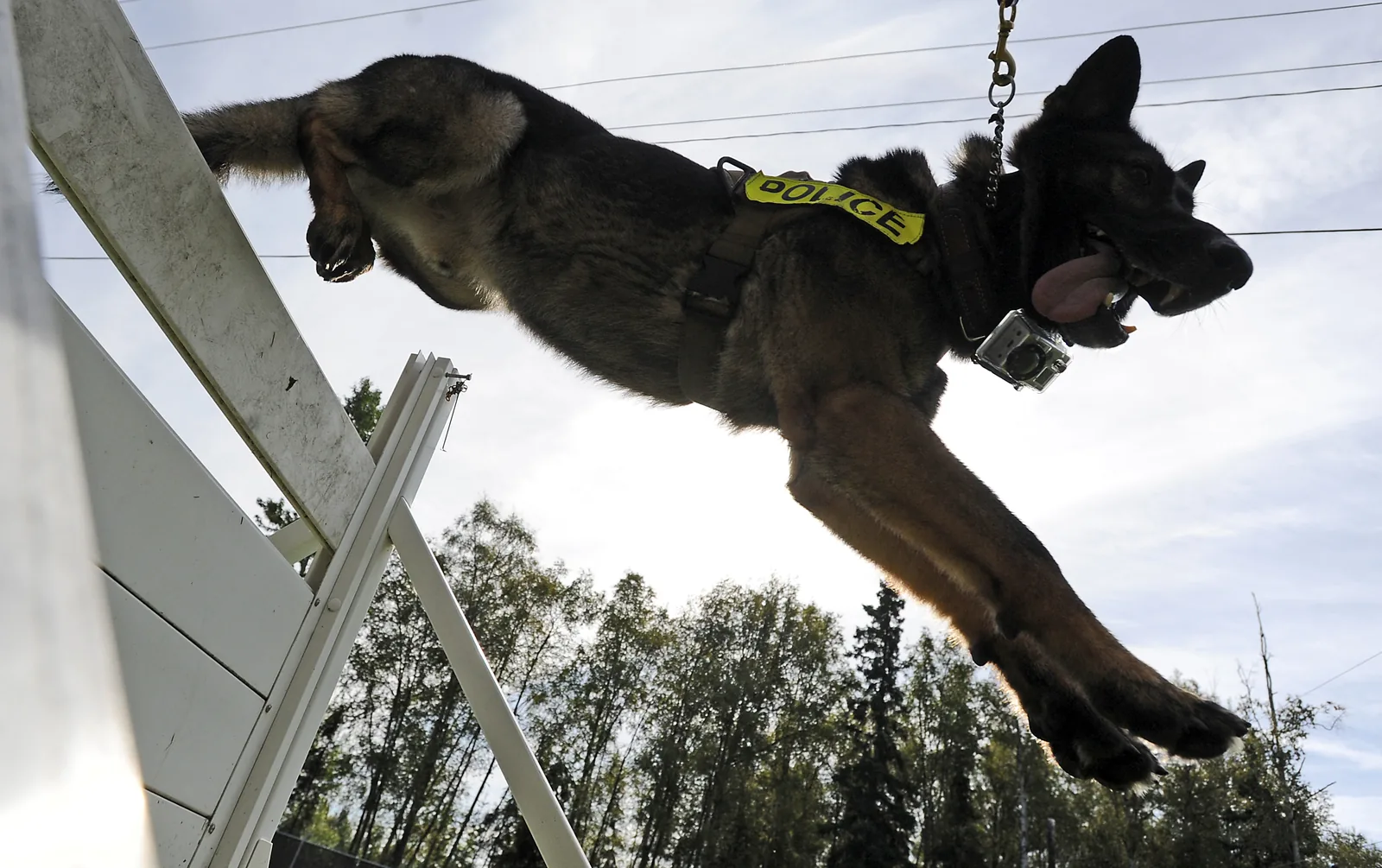
German Shepherds combine trainability, physical versatility and scent ability. They have long histories in tracking, search and service roles.
Their strength is not a mythical “best nose” but the ability to perform scent tasks within broader obedience and operational work.
7. Belgian Malinois — intense detection worker
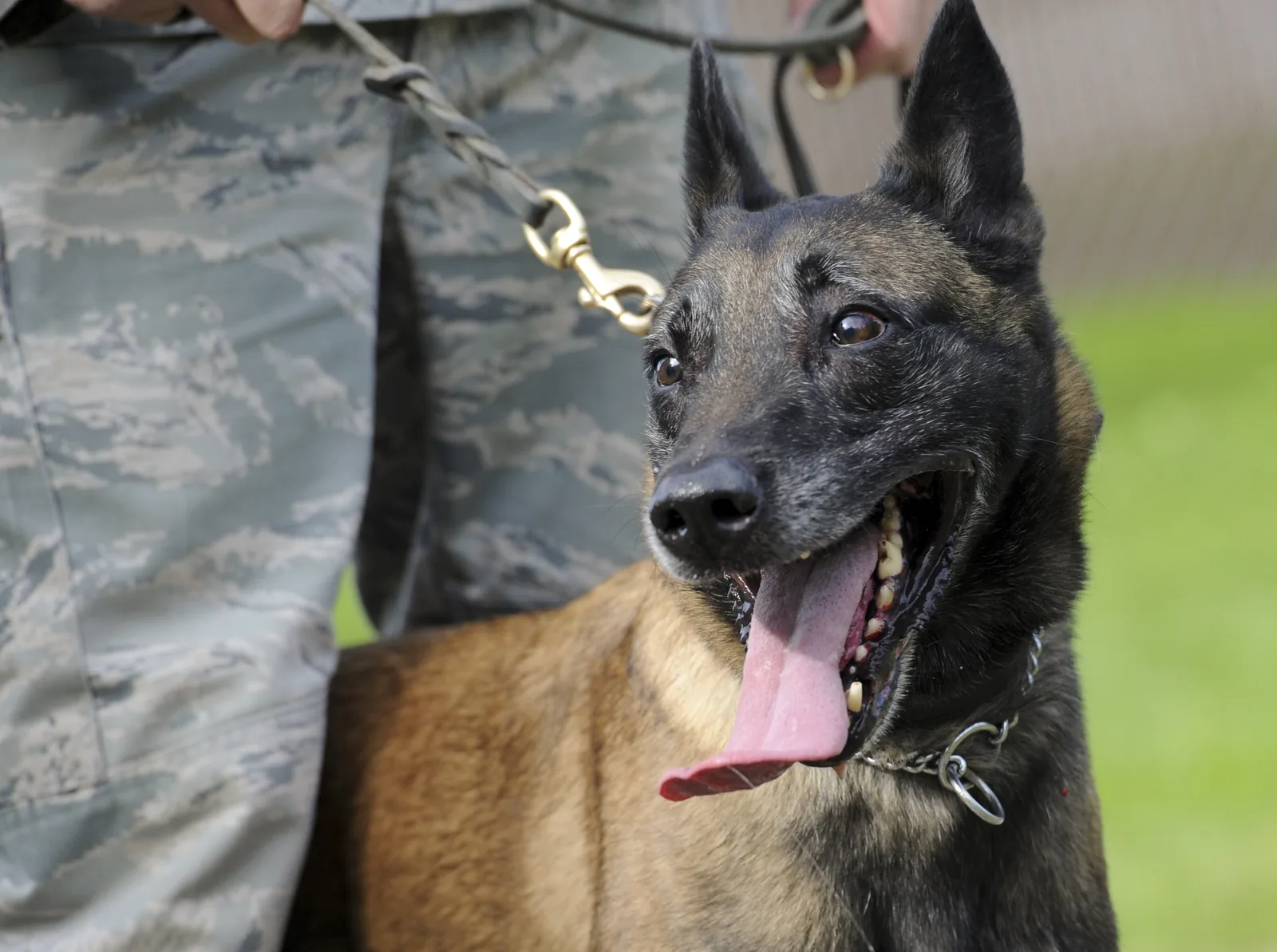
Malinois are common in professional detection and service environments because of their drive, trainability and athleticism.
They are not a sensible default for a pet owner who simply wants to try scent games. The intensity that helps professionally can overwhelm ordinary homes.
8. Labrador Retriever — detection with sociability
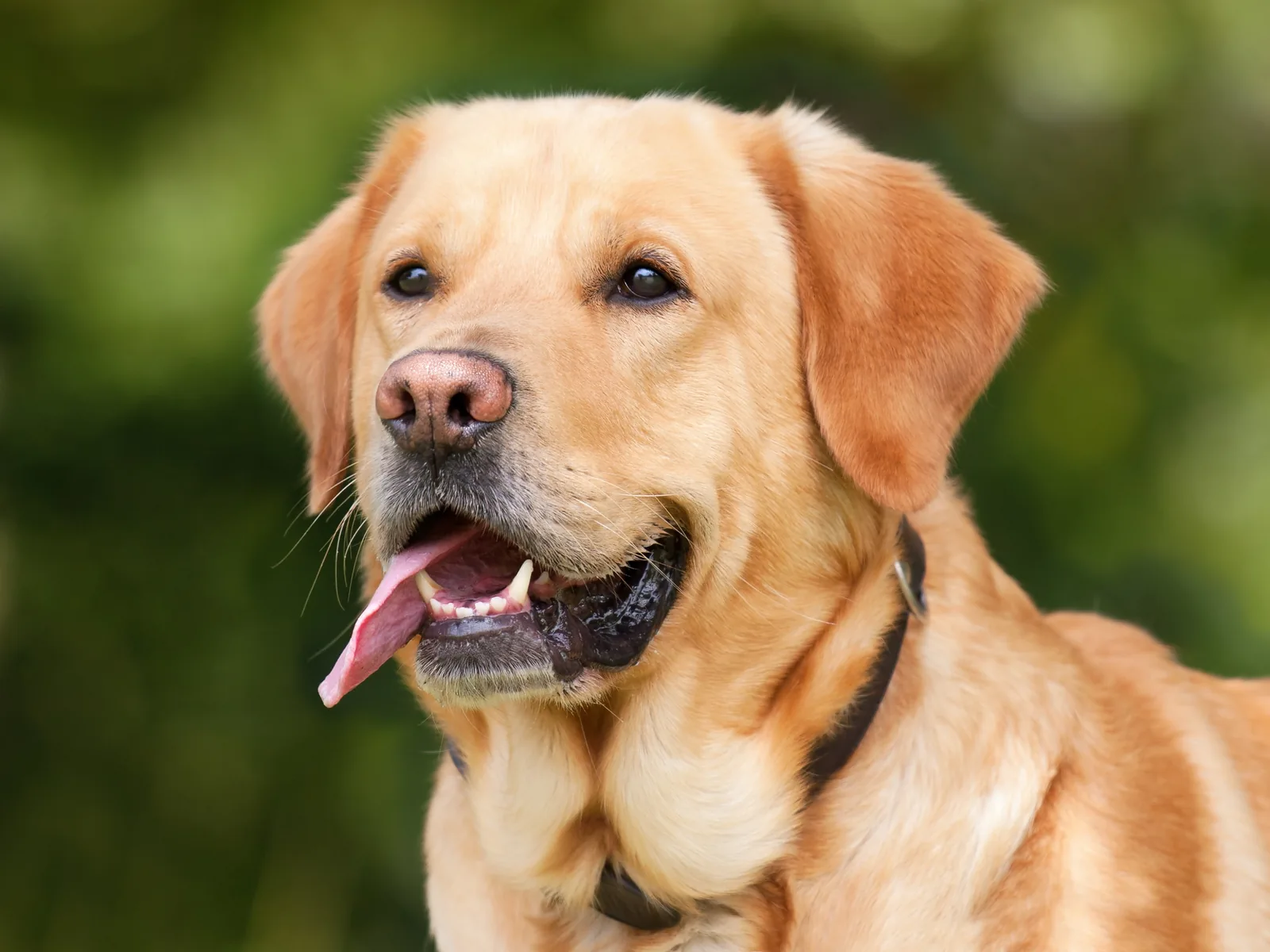
Labradors are widely used in detection and search roles. Their trainability, retrieving background and food/toy motivation make odor work practical.
For pet owners, scent work is also an excellent way to exercise the brain without relying only on physical mileage.
9. English Springer Spaniel — compact detection athlete
Springers are energetic sporting dogs with a strong search pattern and willingness to work with handlers. They are frequently associated with detection roles and can make excellent sport-scent companions for active households.
Tracking, trailing, air scenting and detection are different
Tracking often refers to following the path a person or animal physically took.
Trailing can involve following an individual's scent picture even when the dog deviates from exact footsteps.
Air-scent search seeks odor carried in the environment rather than a known track.
Detection teaches the dog to locate a target odor such as explosives, narcotics, wildlife scat or a sport scent.
A breed can excel at one or several, but the training system matters as much as anatomy.
Scent work for ordinary pet dogs
You do not need to own a Bloodhound to enjoy scent work. Simple food searches, container searches, sport nose work and beginner tracking can give many dogs useful mental enrichment.
Use legal, humane targets. Do not attempt operational law-enforcement or wildlife work without appropriate training and permission.
FAQ
Which dog breed has the best sense of smell?
The Bloodhound is the iconic trailing specialist, but “best” depends on the job. Labradors and spaniels excel in detection; shepherds and Malinois combine scent work with broader service tasks.
Is a German Shorthaired Pointer a tracking dog?
GSPs are versatile hunting dogs that use scent to locate game and can learn tracking tasks. Their field style differs from a slow trailing hound.
Can any dog learn scent work?
Most healthy dogs can enjoy some form of scent game. Breed affects style and intensity, but pet nose work is accessible far beyond specialist hounds.