14 Fastest Dog Breeds — and What Makes Them So Quick
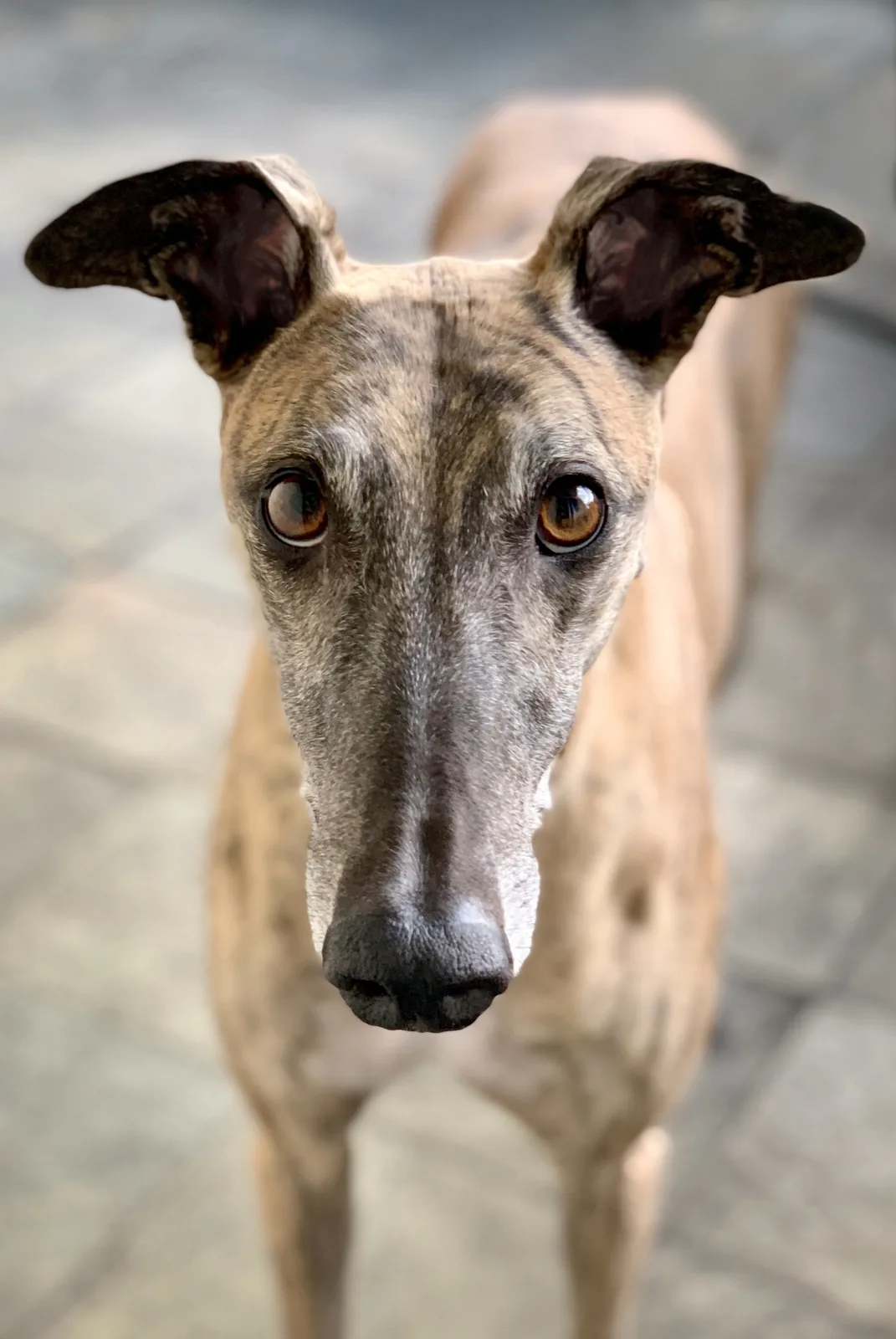
The Greyhound is the benchmark for canine sprint speed, but it is not the only dog built to move fast. Sighthounds such as the Saluki, Whippet and Borzoi evolved to pursue moving game by sight, while athletic working and sporting breeds add speed with more emphasis on endurance or rapid direction changes.
Exact “top speed” claims on the internet are often less reliable than they look. A dog's measured speed changes with distance, surface, conditioning, age, motivation and measurement method. AKC Fast CAT provides timed 100-yard performance data, which is useful for comparing real runs, but it should not be confused with a laboratory maximum for every dog in a breed.
This list therefore focuses on breeds consistently recognized for speed and athletic build rather than pretending every breed has one scientifically fixed mph number.
1. Greyhound
Greyhounds are the clear sprint specialists. Their deep chest, long limbs, flexible spine and lean body are built for rapid acceleration and high-speed galloping.
A surprising ownership fact is that sprinting ability does not automatically mean constant activity indoors. Many adult Greyhounds enjoy substantial rest between exercise periods.
Best at: straight-line sprinting.
Ownership note: high prey drive and speed make secure areas/leashes important.
2. Saluki
Salukis are ancient sighthounds developed to pursue fast quarry across difficult terrain. They combine speed with more endurance than a pure track sprinter.
They are typically independent in temperament and should not be assumed to have reliable off-leash recall simply because they are elegant and quiet at home.
Best at: fast pursuit over distance.
Ownership note: secure exercise is essential.
3. Whippet
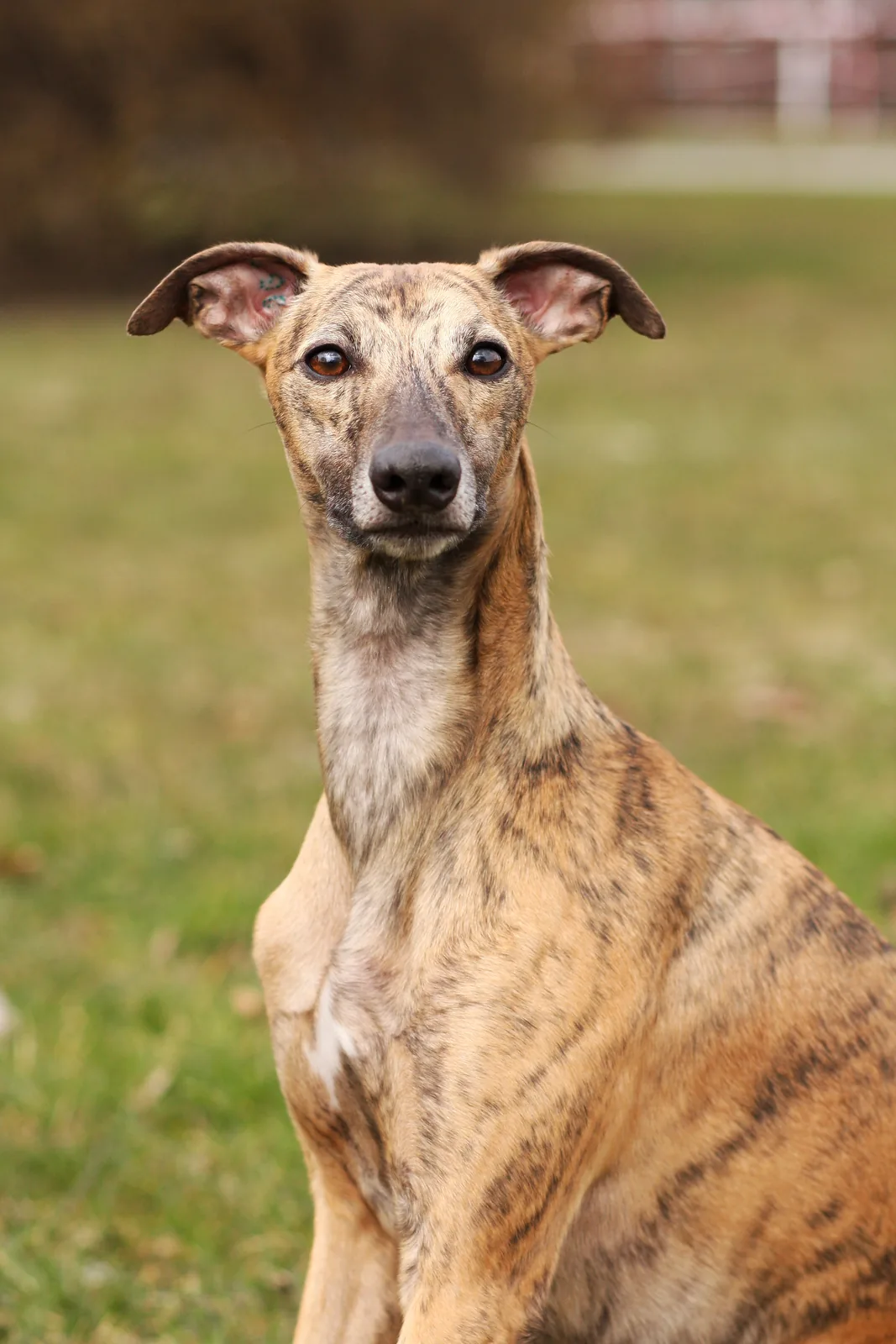
The Whippet is essentially a compact sprinting specialist. It is capable of explosive acceleration without the scale of a Greyhound.
For many households, the Whippet offers an appealing contrast: impressive athleticism outdoors and a comparatively manageable size indoors.
Best at: acceleration and short sprints.
Ownership note: thin skin and low body fat deserve attention in cold weather and rough play.
4. Borzoi
The Borzoi is a large sighthound developed for coursing. Its long stride and aerodynamic outline make it capable of substantial speed.
Like other sighthounds, independence and chase instinct can matter more to everyday ownership than the headline speed itself.
Best at: high-speed coursing.
Ownership note: requires secure space and coat care.
5. Afghan Hound
Afghan Hounds combine speed with a body built for harsh terrain. Their dramatic coat can distract from the fact that underneath is an athletic sighthound.
Best at: fast running over varied terrain.
Ownership note: major grooming commitment and independent temperament.
6. Sloughi
The Sloughi is a North African sighthound developed for hunting. Lean structure, long legs and efficient movement support fast pursuit.
Best at: coursing and sustained fast movement.
Ownership note: uncommon breed; seek experienced breeders and secure exercise options.
7. Azawakh
The Azawakh is another extremely lean sighthound, associated with the Sahel region of West Africa. Its build is specialized for movement in hot, open environments.
Best at: fast running in open terrain.
Ownership note: primitive/independent temperament and rarity make careful research important.
8. Ibizan Hound
Ibizan Hounds are athletic hunters known not only for speed but also for jumping ability and agility.
Best at: speed plus agility.
Ownership note: secure fencing must account for jumping as well as running.
9. Pharaoh Hound
The Pharaoh Hound is a sleek Mediterranean hunting breed with strong sprinting and chasing ability.
Best at: agile pursuit.
Ownership note: chase instinct can make uncontrolled off-leash exercise risky.
10. Vizsla
The Vizsla is not a specialized sighthound, but it is an athletic sporting dog with speed, endurance and close handler orientation.
Best at: sustained active exercise rather than pure racing.
Ownership note: high daily exercise and social needs.
11. German Shorthaired Pointer
German Shorthaired Pointers are fast, powerful sporting dogs bred to work for long periods in the field. Their athleticism is less about a single maximum sprint and more about speed plus stamina.
Best at: endurance, field work and repeated high activity.
Ownership note: usually needs far more exercise than an average pet home expects.
12. Dalmatian
Dalmatians historically ran alongside coaches, which favored endurance and efficient movement. Modern dogs remain athletic and capable runners when healthy and conditioned.
Best at: endurance and steady running.
Ownership note: investigate breed-specific health screening, including hearing.
13. Doberman Pinscher
Dobermans were developed as athletic protection dogs rather than race dogs, but their lean muscular build produces impressive acceleration and speed.
Best at: speed combined with trainability and working power.
Ownership note: high interaction needs and important breed-specific health screening.
14. Belgian Malinois
Belgian Malinois are prized working dogs for a combination of acceleration, agility, stamina and trainability. In practical work, the ability to change direction, clear obstacles and continue performing often matters more than a theoretical top speed.
Best at: explosive working athleticism.
Ownership note: extremely demanding for many pet households.
Why sighthounds are so fast
Fast sighthounds share several physical characteristics:
- long limbs;
- deep chest with substantial cardiopulmonary capacity;
- lean body mass;
- flexible spine during double-suspension gallop;
- efficient stride length;
- strong visual pursuit instinct.
Selective breeding reinforced these characteristics over generations because the dogs' original work depended on catching moving prey.
Sprint speed vs endurance
A Greyhound may dominate a short sprint, while a sporting breed such as a German Shorthaired Pointer can be better suited to sustained activity over a longer working session.
That distinction matters when choosing a pet. “Fastest” does not mean “best running partner” and does not automatically mean “highest daily energy.”
Can you safely run these dogs off leash?
Speed increases risk. A dog that accelerates rapidly can cross a road or disappear after wildlife before an owner has time to react. Many sighthounds should exercise off leash only in securely fenced areas unless an individual has exceptionally reliable recall in an appropriate environment.
Bottom line
The Greyhound remains the classic canine sprinter, while Salukis, Whippets, Borzois and other sighthounds dominate the speed conversation. Sporting and working dogs such as Vizslas, German Shorthaired Pointers, Dobermans and Malinois add a different kind of athleticism—speed combined with endurance, trainability or agility.
When comparing breeds, use speed as an interesting trait, not as the reason to choose a dog. Daily exercise needs, prey drive, temperament and household fit matter far more.
Sources & further reading
Keep the conclusion proportionate in 14 Fastest Dog Breeds — and What Makes Them So Quick
Use the evidence to narrow choices, not to promise an outcome. For 14 Fastest Dog Breeds — and What Makes Them So Quick, breed tendencies, measurements, population ranges and product features all have limits; the individual dog and current conditions remain decisive. Prefer a conclusion that names who may benefit, who should avoid the option and what must be verified next. That structure is more honest than a universal winner.
If two choices remain close, favor the one with the safer failure mode and the simpler routine. Delay the decision when essential records, measurements or professional guidance are missing. The goal of 14 Fastest Dog Breeds — and What Makes Them So Quick is a choice that can be explained, monitored and changed responsibly—not confidence for its own sake.
A weekday test for 14 Fastest Dog Breeds — and What Makes Them So Quick
Build the decision around an ordinary Tuesday, not the most active weekend of the year. For 14 Fastest Dog Breeds — and What Makes Them So Quick, write down who handles the morning outing, how long the dog may be alone, where decompression happens after visitors arrive, and what exercise is still realistic in poor weather. Add the time required for coat care, training and transport. If a candidate needs more physical control or supervision than one adult can provide, treat that as a mismatch rather than a challenge to solve after adoption.
Run the same test for a difficult week. Illness, work deadlines and winter weather do not remove a dog's needs. A workable plan for 14 Fastest Dog Breeds — and What Makes Them So Quick includes a backup walker or sitter, safe separation from children and other animals, and a quiet place where the dog can settle. The strongest candidate is not the one with the most dramatic strengths; it is the one whose demanding days remain manageable.
Questions for a breeder or rescue about 14 Fastest Dog Breeds — and What Makes Them So Quick
Ask for examples rather than labels. In a 14 Fastest Dog Breeds — and What Makes Them So Quick conversation, “friendly,” “protective” and “high energy” are too broad unless the person describes behavior around unfamiliar adults, children, dogs, handling, food, barriers and recovery after surprise. Ask how mature relatives behave, which health screening was completed, what the dog does after exercise, and what has been hardest in previous placements.
For an adult dog, request the foster or previous-home routine and ask what changes across environments. For a puppy, remember that adult size, social maturity and inherited work style have not appeared yet. Reputable placements welcome questions, discuss weaknesses without defensiveness and remain available after the dog goes home. Pressure, guarantees and refusal to share records are reasons to leave the 14 Fastest Dog Breeds — and What Makes Them So Quick shortlist open.
Household scenarios to compare for 14 Fastest Dog Breeds — and What Makes Them So Quick
| Scenario | What to observe | Why it changes the match |
|---|---|---|
| Visitors at the door | arousal, recovery and response to the handler | alert behavior can become difficult without a practiced routine |
| A rainy low-activity day | ability to settle after indoor enrichment | physical exercise cannot be the only route to calm |
| Passing dogs on leash | distance needed and ability to disengage | adult strength magnifies ordinary training gaps |
| Children or older adults | movement sensitivity and physical leverage | supervision must be realistic, not assumed |
| Grooming or veterinary handling | comfort with touch and restraint | routine care can become a recurring safety problem |
Use the 14 Fastest Dog Breeds — and What Makes Them So Quick scenarios to identify the skill the household would need to teach, the management equipment required, and the consequence if either fails. One poor fit in a high-consequence scenario can outweigh several appealing traits.
Related reading
- 7 Best Guard Dog Breeds for Personal Protection and Security
- Doberman vs German Shepherd: Which Is Better for You?
- 25 Herding Dog Breeds Built to Work With People