Reliable Recall Training: How to Teach Your Dog to Come When Called
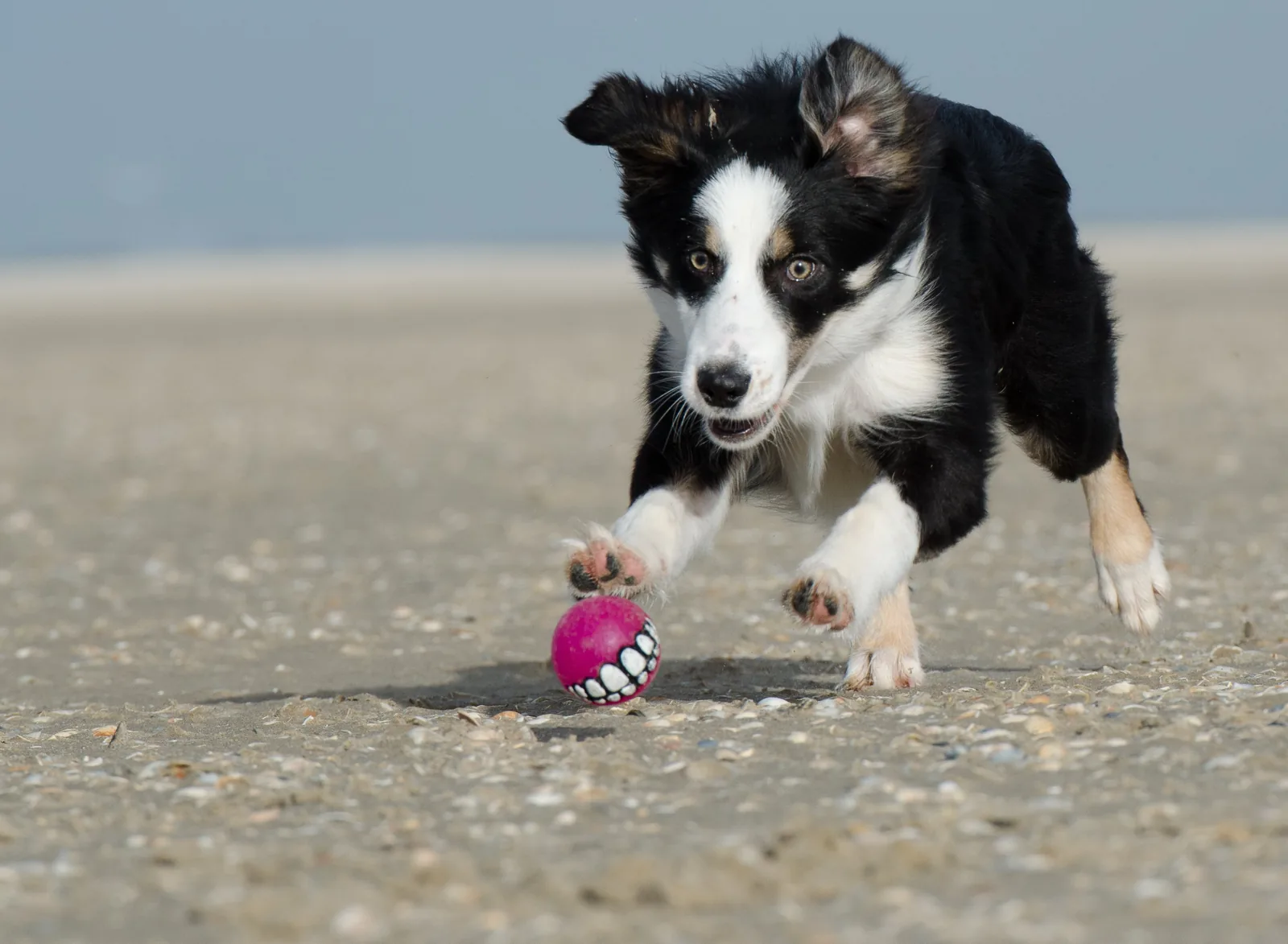
A strong recall is one of the most valuable behaviors a dog can learn—but reliable does not mean magical.
A dog can be beautifully trained and still be unsafe off leash beside traffic, wildlife or other hazards. Recall is a trained behavior, not a force field.
The goal is to make coming to you:
- easy to understand;
- heavily rewarded;
- practiced in gradually harder environments;
- protected from bad consequences.
Choose one cue
Pick a clear recall word or whistle pattern.
Examples:
- "Come";
- "Here";
- a whistle signal.
Do not repeat the cue ten times.
If the dog has learned that "come, come, come..." means the first nine calls do not matter, consider retraining with a new cue.
Step 1: build value indoors
Start where success is almost guaranteed.
- Move a short distance away.
- Say the recall cue once.
- Encourage the dog toward you.
- When the dog arrives, reward generously.
- Release the dog again.
Rewards can include:
- high-value food;
- toy play;
- praise and interaction;
- permission to return to something enjoyable.
The dog should learn that recall does not always end the fun.
Step 2: add a collar touch
Many dogs learn to run close and then dodge when the owner reaches for the collar.
Practice:
- dog arrives;
- gently take collar/harness;
- reward;
- release.
This makes the end of recall useful in real life when you need to secure the dog.
Step 3: increase distance
Move to:
- hallway;
- garden;
- fenced area;
- quiet outdoor space.
Increase one variable at a time.
Do not simultaneously add:
- 50 meters of distance;
- squirrels;
- another dog;
- a new park.
Training should make the next repetition only a little harder than the last.
Step 4: use a long line
A long line is one of the best recall-training safety tools.
Attach it to suitable equipment and use it in an open area where it will not wrap around people, dogs or obstacles.
The line:
- prevents the dog from rehearsing running away;
- gives controlled distance;
- allows realistic outdoor practice.
It is not for yanking the dog toward you.
Step 5: train around distractions
List distractions from easiest to hardest.
Example:
- empty park;
- person far away;
- calm dog at distance;
- food on ground protected by helper;
- moving dog;
- wildlife scent;
- actual wildlife.
Your dog's list may be very different.
Work far enough from the distraction that the dog can still respond.
Reward difficulty, not just obedience
A recall away from a sofa is easy. A recall away from a squirrel is hard.
Pay accordingly.
If the dog leaves something extremely valuable to return to you, use:
- several high-value treats;
- favorite toy;
- praise;
- permission to resume safe activity.
Never punish the dog for arriving
Imagine the dog ignores you for two minutes, then finally returns.
If you scold the dog when it reaches you, you punish the final behavior: coming to you.
Secure the dog and adjust future training. Do not make arrival dangerous.
Do not use recall only for bad news
If "come" always predicts:
- bath;
- nail trim;
- end of park visit;
- being locked inside;
- medicine;
the cue loses value.
Sometimes recall, reward, and release the dog right back to play.
Emergency recall
Some owners create a special emergency cue that is:
- rarely used;
- paired with exceptional rewards;
- practiced periodically.
It should not become the everyday cue shouted casually around the house.
An emergency recall still requires training and is not guaranteed under every circumstance.
What if the dog ignores the cue?
Do not keep chanting it.
Instead:
- use the long line or move closer;
- reduce distraction;
- make the next repetition easier;
- improve the reward;
- check whether the dog actually understands the cue in that environment.
Failure is information about training difficulty.
Breed and individual differences
Recall can be harder for dogs strongly motivated by:
- scent;
- chasing;
- hunting;
- livestock;
- social play.
That does not make recall training pointless. It means management may remain part of safety.
For a German Shorthaired Pointer, Beagle or other hunting dog, a long line and secure exercise areas may be important even after months of training.
Recall and GPS trackers
A GPS tracker can help locate an escaped dog. It does not replace recall or a leash.
Use technology as backup.
Common recall mistakes
Repeating the cue
The dog learns the word is optional.
Progressing too fast
The dog succeeds indoors and is immediately tested at a wildlife-filled park.
Weak rewards
Dry kibble may not compete with chasing a rabbit.
Grabbing every time
The dog learns to stop just out of reach.
Calling when failure is certain
Every ignored cue is practice ignoring the cue.
Getting angry
The dog becomes less willing to approach.
When can a dog safely be off leash?
That depends on:
- local law;
- environment;
- traffic;
- livestock;
- wildlife;
- other dogs;
- the dog's history;
- recall under real distractions.
Some dogs should remain on leash or long line in many environments even with excellent training.
Responsible management is not training failure.
A four-week starter progression
Week 1
- indoors;
- short distance;
- 5–10 easy reps/day;
- collar touch.
Week 2
- quiet yard/fenced area;
- more distance;
- mild distractions.
Week 3
- long line outdoors;
- people/dogs at substantial distance;
- reward-and-release repetitions.
Week 4
- controlled higher-value distractions;
- emergency recall practice;
- random easy reps to preserve enthusiasm.
Progress based on performance, not calendar.
Bottom line
Reliable recall comes from a long history of successful, rewarding repetitions.
Make the cue valuable, control the environment while learning, and avoid betting the dog's safety on a behavior that has not been proofed.
The best recall trainers are often excellent managers too.