Cane Corso: Temperament, Training, Exercise, Health & Owner Fit
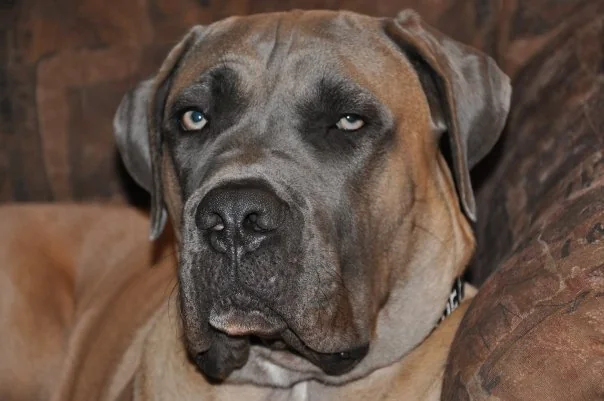
The Cane Corso is a powerful Italian guardian breed. Its size and confidence can be impressive, but they also reduce the margin for training and management mistakes.
A Corso should be selected for stable temperament, sound structure and suitability to the owner's life, not simply for head size or an intimidating appearance.
Quick profile
| Trait | Practical level |
|---|---|
| Size | large/very powerful |
| Exercise | moderate-high |
| Training demand | very high |
| Guardian instinct | high |
| Grooming | low |
| Drool | variable |
| First-time fit | generally poor |
| Socialization importance | very high |
Temperament
Corsos often bond closely with family and can be naturally watchful. That does not mean they should be encouraged to view every stranger as a threat.
The goal is a dog that can remain composed, respond to its handler and move through normal life safely.
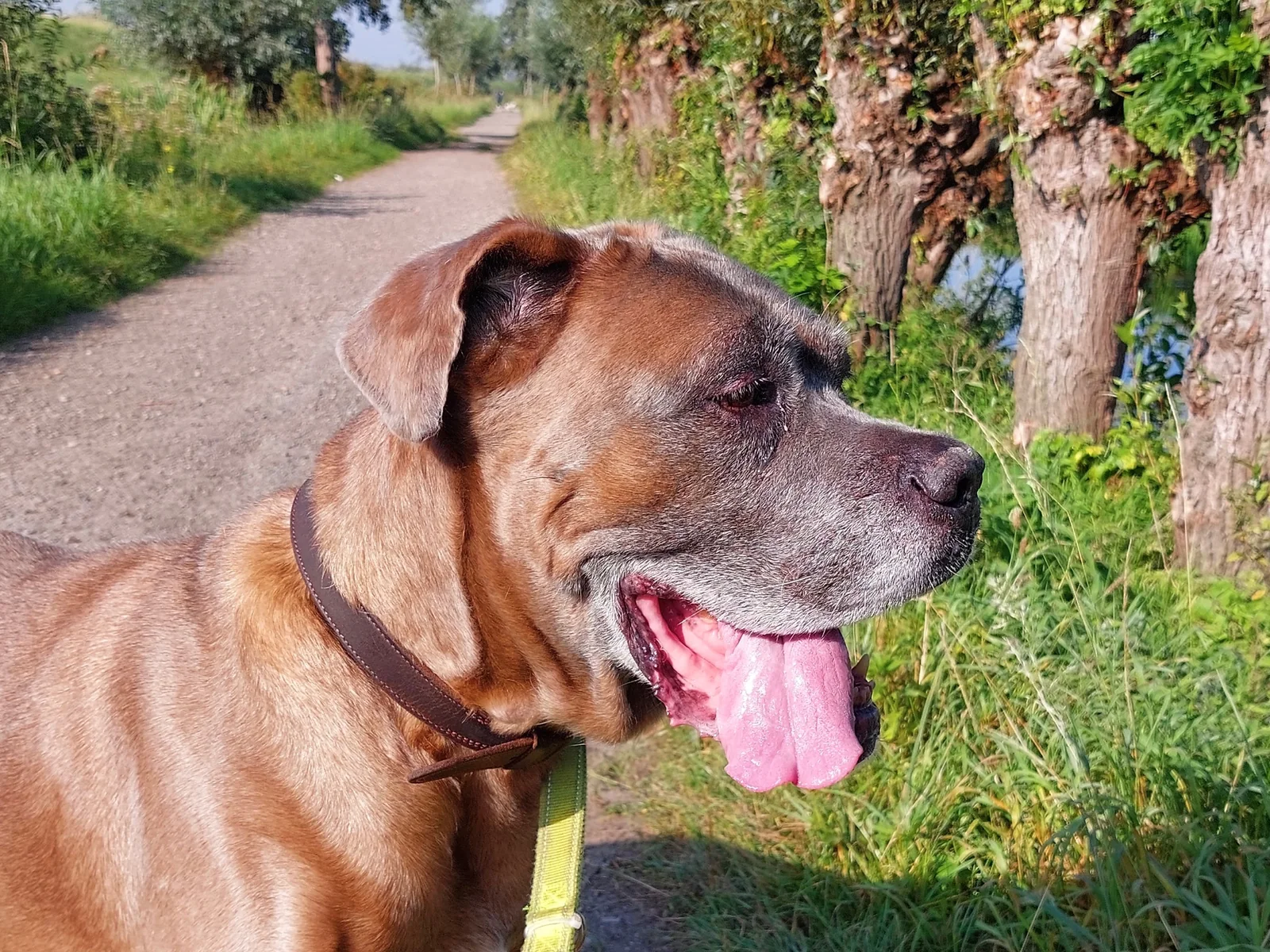
Start early with:
- loose-leash walking;
- handling;
- recall;
- settling;
- doorway manners;
- visitor routines;
- "leave it";
- calm neutrality;
- muzzle training as a useful life skill.
Do not wait until a 45+ kg adolescent is physically difficult to control.
Socialization
Socialization means positive, controlled exposure and learning appropriate responses. It does not mean forcing every puppy to interact with every person and dog.
A guardian breed can learn that unfamiliar people are normal without becoming indiscriminately social.
Exercise
The Cane Corso Association of America emphasizes that the breed needs regular physical activity and work. Exercise should be appropriate to age and structure.
Mental work is equally useful because the breed needs more than a short yard break.
Family and children
Corsos can live with families, but powerful size makes supervision essential. A dog does not need aggression to accidentally knock a child down.
Households with frequent child visitors should consider how a naturally watchful adult dog will be managed.
Other dogs and cats
Early exposure may help, but compatibility varies. Same-sex conflict and prey behavior should be discussed honestly with the breeder.
Grooming
Short coat care is simple:
- weekly brushing as needed;
- nails;
- teeth;
- ears;
- skin checks.
Giant-breed logistics—vehicle space, crates, boarding and veterinary handling—matter more than coat care.
Health screening
The Cane Corso Association of America emphasizes health testing and points owners toward AKC Canine Health Foundation/OFA-CHIC resources. Responsible selection should include documented breed-appropriate orthopedic and other screening rather than a verbal assurance that the parents are healthy.
Ask about:
- hips;
- elbows;
- cardiac screening where recommended;
- eye concerns;
- relevant DNA tests in current parent-club guidance;
- family history of serious disease.
Current recommendations can change, so check the parent club’s latest guidance rather than relying on a fixed checklist.
Who should get a Cane Corso?
Good fit:
- experienced large guardian owner;
- physically capable handler;
- consistent trainer;
- secure home/fencing;
- wants a serious companion, not a status symbol.
Poor fit:
- wants a dog mainly to intimidate;
- no training plan;
- frequent uncontrolled visitors;
- cannot handle giant-dog cost and strength;
- first dog chosen impulsively.
FAQ
Is a Cane Corso a good family guard dog?
It can be a capable family guardian in experienced hands, but breed alone does not guarantee stable behavior or safety.
Is a Cane Corso good for first-time owners?
Usually not the easiest choice. Their power and guardian temperament demand skill and consistency.
How much exercise does a Cane Corso need?
Healthy adults generally need regular substantial activity plus mental work, adjusted to health, age, weather and conditioning.
Sources & further reading
Related reading
- Rottweiler vs Cane Corso: Which Guardian Breed Fits You Better?
- German Shepherd vs Cane Corso: Training, Guarding & Family Fit
- 7 Best Guard Dog Breeds for Personal Protection and Security
- 9 Family Guardian Dog Breeds: Protection, Temperament & Household Fit
- Doberman Pinscher: Temperament, Exercise, Training, Health & Owner Fit