15 Dogs That Look Like German Shepherds — and How They're Different
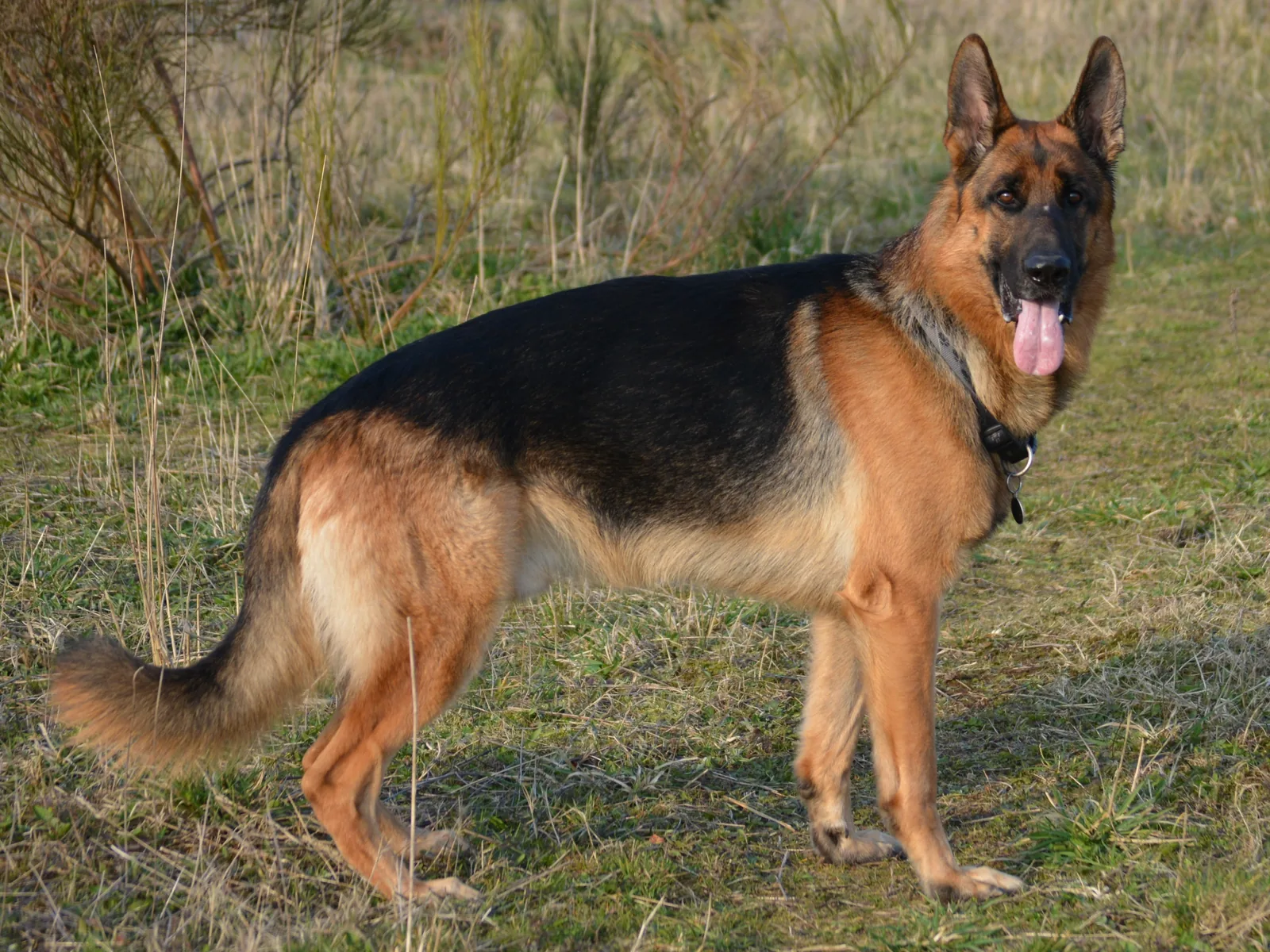
The German Shepherd Dog's upright ears, long athletic outline and alert working-dog expression make it one of the most recognizable breeds in the world. Many other herding and guardian breeds share parts of that look, but appearance can hide major differences in drive, size, coat and temperament.
If you like the German Shepherd look, do not choose an alternative breed solely for appearance. Several of the closest visual matches are even more demanding working dogs.
Quick list
- Belgian Malinois
- Dutch Shepherd
- Belgian Tervuren
- Belgian Sheepdog
- Bohemian Shepherd
- White Swiss Shepherd / Berger Blanc Suisse
- East European Shepherd
- Shiloh Shepherd
- King Shepherd
- Beauceron
- Czechoslovakian Wolfdog
- Saarloos Wolfdog
- Caucasian Shepherd Dog
- Anatolian Shepherd Dog
- Northern Inuit-type dogs
Recognition and standardization vary among countries and organizations. Some names above describe breeds recognized by major international registries; others are uncommon or not recognized by the AKC. Verify the exact registry and breeder claims before buying.
1. Belgian Malinois
The Belgian Malinois is probably the breed most often mistaken for a lean German Shepherd. It has upright ears, a working-dog outline and similar police/military visibility.
The practical difference is intensity. Many Malinois are faster, lighter and more continuously driven than the average German Shepherd.
Similar because: upright ears, herding ancestry, working role.
Different because: lighter build and often greater day-to-day drive.
2. Dutch Shepherd
Dutch Shepherds share the athletic continental herding-dog appearance but are famous for brindle coloring.
They can be every bit as work-oriented as Malinois and should not be treated as a rare-color German Shepherd substitute.
Similar because: size, ears, working/herding style.
Different because: characteristic brindle and multiple coat varieties.
3. Belgian Tervuren
The Belgian Tervuren has a longer coat and an elegant outline. To a casual observer it can resemble a refined long-coated shepherd.
Similar because: upright ears, herding type, intelligence.
Different because: Belgian shepherd lineage, lighter outline and distinct coat/color standard.
4. Belgian Sheepdog
The Belgian Sheepdog (Groenendael in many countries) is a long-coated black Belgian shepherd variety/breed depending on registry system.
Similar because: herding outline and upright ears.
Different because: typically solid black long coat and Belgian breed history.
5. Bohemian Shepherd
The Bohemian Shepherd is a Czech herding breed with a long coat and black-and-tan appearance that can strongly resemble a smaller long-coated German Shepherd.
It is much less common internationally, so prospective owners should research legitimate breed clubs and health programs rather than rarity marketing.
6. White Swiss Shepherd / Berger Blanc Suisse
This breed shares historical ancestry with white-coated German Shepherd lines but has developed under its own modern breed identity in international registries.
Similar because: shepherd outline and ancestry.
Different because: white coat and separate breed development/recognition in many registries.
7. East European Shepherd
The East European Shepherd was developed in the former Soviet sphere from German Shepherd stock with selection for regional working conditions and type.
It is not widely recognized by major Western kennel clubs. Buyers should be especially cautious about breeders using the name loosely.
8. Shiloh Shepherd
Shiloh Shepherds were developed as a large shepherd-type companion breed and are not an AKC-recognized breed. They are often marketed for a larger, heavier German Shepherd-like look.
With non-AKC or emerging breeds, verify registry credibility, health testing and breeder transparency.
9. King Shepherd
King Shepherd is another modern large shepherd-type development. Recognition is limited compared with the German Shepherd.
Do not assume “bigger German Shepherd” means healthier, calmer or easier. Extreme size can increase orthopedic and management concerns.
10. Beauceron
The Beauceron is a French herding and guardian breed. Upright ears are not universal depending on natural ear carriage and legal cropping practices, but the breed's large athletic working-dog outline appeals to many German Shepherd fans.
Similar because: large versatile working/herding dog.
Different because: distinct French breed, shorter coat and different color patterns/body proportions.
11. Czechoslovakian Wolfdog
The Czechoslovakian Wolfdog was developed historically using German Shepherd Dogs and Carpathian wolves. It is a recognized breed in some international systems but is highly specialized and not an ordinary German Shepherd alternative.
Wolf-like appearance comes with management considerations that make careful research essential.
12. Saarloos Wolfdog
The Saarloos Wolfdog also has wolf ancestry in its breed development. It tends to be more independent and reserved than people expecting German Shepherd trainability may anticipate.
This is a specialist breed, not a cosmetic choice.
13. Caucasian Shepherd Dog
The Caucasian Shepherd is far larger and more guardian-oriented than a German Shepherd, but its upright-eared, heavy shepherd/guardian appearance sometimes attracts the same audience.
Temperament and ownership style are dramatically different. This is a serious livestock/property guardian for experienced owners.
14. Anatolian Shepherd Dog
Anatolian Shepherds can have an upright-eared working-dog silhouette but are livestock guardians rather than close-handler herding dogs.
Expect more independence and territorial decision-making than with a typical German Shepherd.
15. Northern Inuit-type dogs
Northern Inuit and related wolf-look companion lines are popular in some regions for appearance. Recognition and breeding systems vary.
Treat broad marketing claims cautiously and research the exact breeder, health testing and registry rather than relying on the label alone.
Which breed is closest to a German Shepherd in working style?
Belgian Malinois and Dutch Shepherds are the most obvious comparisons because they share continental herding ancestry, high trainability and modern working roles. They can also be more demanding than a German Shepherd.
If you want something easier, choosing a breed because it looks similar is the wrong approach. Start with lifestyle and temperament first.
Watch for fake “rare shepherd” marketing
Online sellers may use attractive labels for mixed-breed dogs or unstandardized lines. Before paying a premium, verify:
- recognized breed/registry status;
- parent identities;
- health testing;
- pedigree documentation;
- adult temperament;
- breeder return policy/support.
A dramatic name is not evidence of a legitimate breed.
Bottom line
Belgian Malinois, Dutch Shepherds and Belgian Tervurens are the closest common working-dog lookalikes, while Bohemian and white Swiss shepherds offer different variations on the shepherd outline. Livestock guardians and wolfdog breeds may resemble German Shepherds superficially but require very different ownership skills.
Choose for the life you want to share with the dog—not simply for the silhouette.
Sources & further reading
- AKC — German Shepherd Dog
- AKC — Belgian Malinois
- AKC — Dutch Shepherd
- AKC — Belgian Tervuren
- AKC — Belgian Sheepdog
- AKC — Beauceron
- AKC — Anatolian Shepherd Dog
- www.fci.be/en/nomenclature/CZECHOSLOVAKIAN-WOLFDOG-332.html
- www.fci.be/en/nomenclature/Saarlooswolfhond-311.html
- www.fci.be/en/nomenclature/BERGER-BLANC-SUISSE-347.html
- www.fci.be/en/nomenclature/CHODSKY-PES-364.html
Related reading
- German Shepherd vs Belgian Malinois: Which Working Dog Fits You?
- Doberman vs German Shepherd: Which Is Better for You?
- German Shepherd vs Rottweiler: Which Fits Your Life Better?
- Military Working Dog Breeds: The Dogs Behind Detection, Patrol and Search Missions
- 25 Herding Dog Breeds Built to Work With People