Military Working Dog Breeds: The Dogs Behind Detection, Patrol and Search Missions
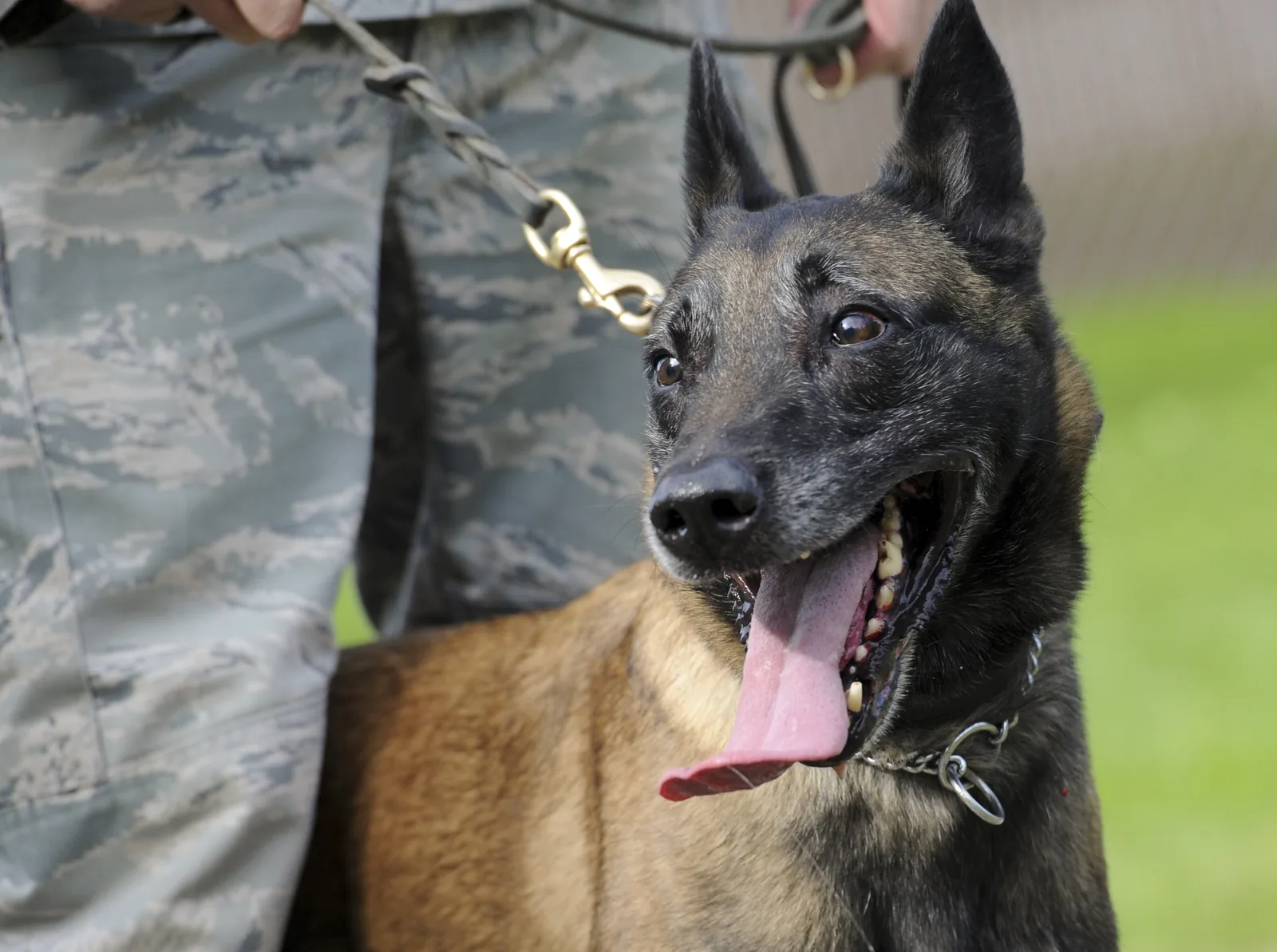
Modern military working dogs are selected for ability, not simply because they belong to a famous “military breed.” U.S. military sources identify Belgian Malinois, German Shepherd Dogs, Dutch Shepherds, Labrador Retrievers and German Shorthaired Pointers among breeds used in current programs. Different jobs favor different combinations of scent ability, athleticism, environmental confidence, trainability and size.
Historical militaries used many more breeds, including Doberman Pinschers, Airedales, Boxers and others. A list of “15 military breeds” therefore needs an important distinction: some breeds are common in current military programs, while others are historically associated with military service or perform related detection/search work.
What military working dogs do
Depending on service and program, dogs can work in areas such as:
- explosives detection;
- narcotics detection;
- patrol and security;
- tracking;
- search;
- specialized special-operations roles;
- base and facility protection.
The dog's nose is often the most valuable equipment. For detection work, the ideal breed may differ from the ideal patrol dog.
1. Belgian Malinois — modern high-performance favorite
Belgian Malinois are prominent in modern military and special-operations contexts because they combine athleticism, trainability, drive and comparatively light body weight.
A crucial civilian lesson is that military popularity does not make a Malinois an ideal household pet. The traits that make one outstanding at demanding work can make another overwhelming in a low-activity home.
2. German Shepherd Dog — classic versatile worker
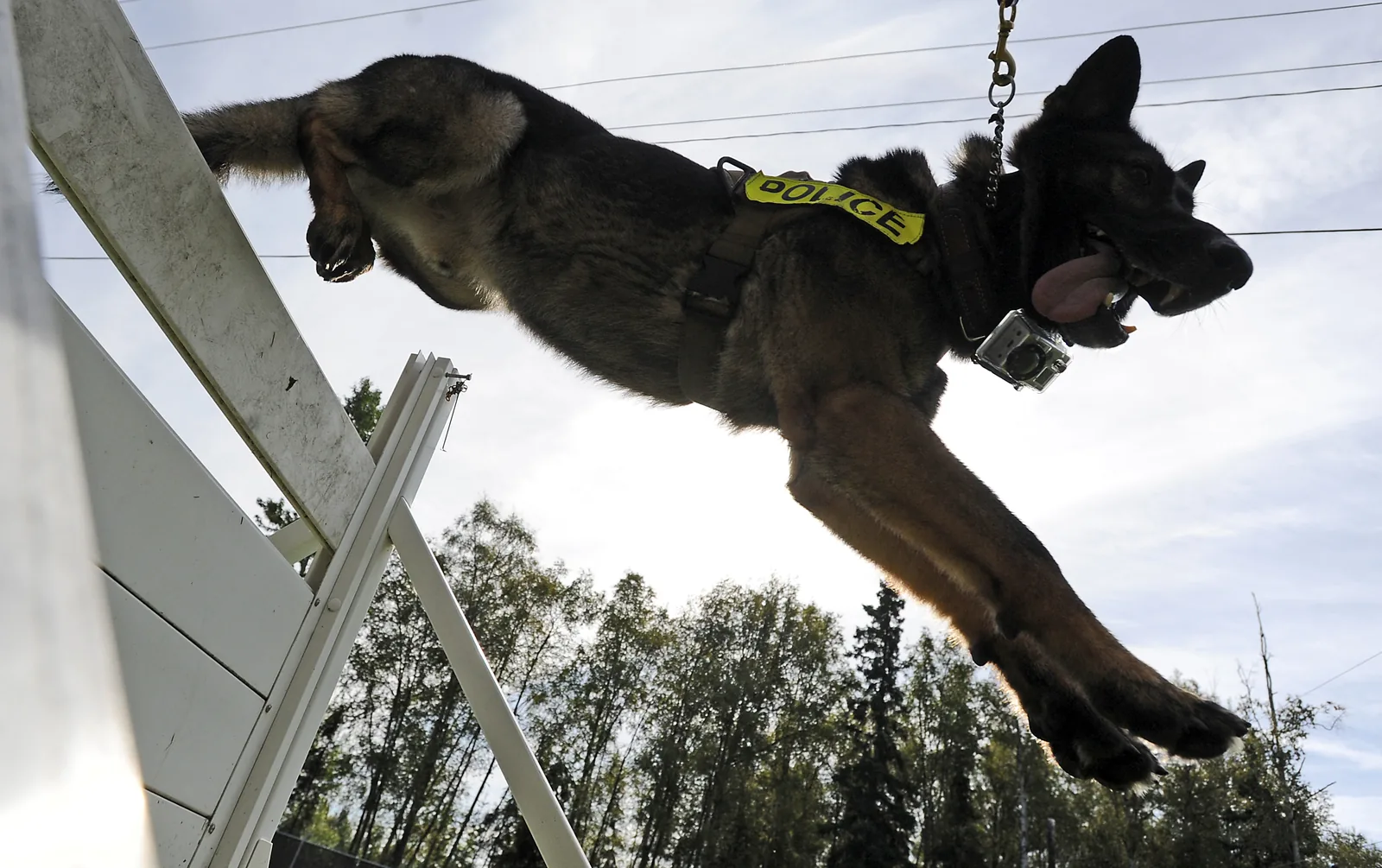
German Shepherds have served in military, police, search and numerous other working roles for generations. Their strengths include versatility, handler cooperation, physical presence and trainability.
They remain one of the clearest examples of a breed whose original working versatility still shapes modern use.
3. Dutch Shepherd — athletic patrol/detection worker
Dutch Shepherds share many of the traits that make Belgian Malinois valuable: athleticism, trainability and working drive. U.S. military sources list Dutch Shepherds among the more common modern military working breeds.
They are uncommon in ordinary pet homes compared with German Shepherds and Labradors and should be approached as serious working dogs.
4. Labrador Retriever — detection specialist
A Labrador may not fit the public image of a military dog, but detection work depends heavily on scent ability, trainability and a dog's willingness to search—not intimidation.
Military sources have described Labradors and other retrievers in specialized odor-detection roles. Their more socially neutral appearance can also be useful in some public-facing environments.
5. German Shorthaired Pointer — athletic detection capability
Current U.S. Air Force reporting includes German Shorthaired Pointers among breeds present in the Department of Defense working-dog pipeline.
GSPs bring stamina, strong searching behavior and athleticism from a sporting-dog background. Again, their military relevance is primarily about working ability rather than guarding appearance.
6. Golden Retriever — detection/search history
Golden Retrievers are more often associated publicly with assistance work and family life, but retriever traits can suit scent and search jobs. Historical Army material also references retrievers in odor-detection roles.
7. Chesapeake Bay Retriever — specialized detection potential
U.S. Army Corps of Engineers material has referenced Chesapeake Bay Retrievers among preferred retriever types for some detector-dog roles.
Chessies are stronger and often more independent than the stereotypical Labrador, reflecting their development as rugged water retrievers.
8. Doberman Pinscher — important military history
Dobermans are strongly associated with military history, including World War II service. Their modern U.S. military use is less central than Malinois and shepherds, but historically they are impossible to ignore.
The breed's original development as a protection dog explains its suitability for earlier patrol and messenger roles.
9. Airedale Terrier — historical military service
Airedales served in military roles in the early twentieth century, including messenger and sentry work. Their importance is more historical than current in large formal programs.
10. Boxer — historical working role
Boxers were among breeds used for wartime working functions. Today they are much more familiar as companions and sport/working dogs than as standard military working dogs.
11. Bloodhound — tracking specialist
Bloodhounds are famous for scent-tracking ability. They are more strongly associated with law enforcement and search work than modern patrol-style military roles, but they represent the specialized scent-hound end of working-dog selection.
12. Springer Spaniel — detection specialist in many services
Springer Spaniels are widely used internationally in detection contexts because they are compact, energetic searchers with strong scenting ability. Their role shows again that a useful working dog need not be physically intimidating.
13. Cocker Spaniel — compact detection worker
Working-line Cocker Spaniels are used by various security and detection organizations internationally. Small size can be useful in tight environments and transport.
14. Giant Schnauzer — historic and modern working potential
Giant Schnauzers were developed for driving and guarding work and have served in police/military contexts historically. Their high trainability and working temperament keep them relevant to serious working-dog discussions even when they are not among today's most common DoD breeds.
15. Rottweiler — historical military/police association
Rottweilers have a long working background and have been used in police, guard and military-adjacent roles. Modern U.S. military programs are more strongly associated with Malinois and shepherd breeds.
Why Belgian Malinois are so visible today
No single trait explains their popularity. Useful working Malinois can combine:
- speed and agility;
- strong motivation to work;
- environmental confidence;
- trainability;
- relatively low body weight compared with heavier protection breeds;
- stamina.
Special-operations reporting has specifically highlighted the breed's physical and mental selection standards.
Breed is only the first filter
Military programs evaluate the individual dog. A German Shepherd with poor environmental confidence is not valuable merely because of its pedigree, while an unusual breed with exceptional scent drive may be useful for a specialized task.
Working selection can assess things such as:
- reward drive;
- search persistence;
- sound sensitivity;
- footing confidence;
- recovery from stress;
- health;
- handler engagement;
- ability to work around distractions.
Can you buy a military breed as a pet?
Yes, these are dog breeds rather than restricted military equipment, but suitability is the issue. A Belgian Malinois bred for intense work can be a terrible choice for a household that wants a casual companion. German Shepherds, Dutch Shepherds and high-drive sporting dogs also require substantial training and activity.
Do not select a dog because military use makes the breed look impressive. Select based on the daily life you can provide.
Bottom line
In contemporary U.S. military working-dog programs, Belgian Malinois, German Shepherds and Dutch Shepherds are especially associated with patrol and demanding multi-purpose work, while Labradors, pointers and other breeds can excel in detection. Historical military service spans many more breeds.
The common denominator is not intimidation. It is selection for a specific job, extensive training and a capable individual dog.
Sources & further reading
Questions for a breeder or rescue about Military Working Dog Breeds: The Dogs Behind Detection, Patrol and Search Missions
Ask for examples rather than labels. In a Military Working Dog Breeds: The Dogs Behind Detection, Patrol and Search Missions conversation, “friendly,” “protective” and “high energy” are too broad unless the person describes behavior around unfamiliar adults, children, dogs, handling, food, barriers and recovery after surprise. Ask how mature relatives behave, which health screening was completed, what the dog does after exercise, and what has been hardest in previous placements.
For an adult dog, request the foster or previous-home routine and ask what changes across environments. For a puppy, remember that adult size, social maturity and inherited work style have not appeared yet. Reputable placements welcome questions, discuss weaknesses without defensiveness and remain available after the dog goes home. Pressure, guarantees and refusal to share records are reasons to leave the Military Working Dog Breeds: The Dogs Behind Detection, Patrol and Search Missions shortlist open.
Household scenarios to compare for Military Working Dog Breeds: The Dogs Behind Detection, Patrol and Search Missions
| Scenario | What to observe | Why it changes the match |
|---|---|---|
| Visitors at the door | arousal, recovery and response to the handler | alert behavior can become difficult without a practiced routine |
| A rainy low-activity day | ability to settle after indoor enrichment | physical exercise cannot be the only route to calm |
| Passing dogs on leash | distance needed and ability to disengage | adult strength magnifies ordinary training gaps |
| Children or older adults | movement sensitivity and physical leverage | supervision must be realistic, not assumed |
| Grooming or veterinary handling | comfort with touch and restraint | routine care can become a recurring safety problem |
Use the Military Working Dog Breeds: The Dogs Behind Detection, Patrol and Search Missions scenarios to identify the skill the household would need to teach, the management equipment required, and the consequence if either fails. One poor fit in a high-consequence scenario can outweigh several appealing traits.
Cost and care planning for Military Working Dog Breeds: The Dogs Behind Detection, Patrol and Search Missions
Purchase price or adoption fee is only the entry cost. A Military Working Dog Breeds: The Dogs Behind Detection, Patrol and Search Missions budget should include food at adult size, preventive veterinary care, insurance or an emergency reserve, training, secure containment, grooming tools or professional appointments, boarding, travel equipment and replacement of damaged items. Large and giant dogs can make medication, crates and transport materially more expensive, while long or specialized coats can shift cost into regular labor.
Ask what happens if the dog develops a chronic condition or needs behavior support. The honest answer may change the shortlist. Do not choose a candidate because routine expenses barely fit today; Military Working Dog Breeds: The Dogs Behind Detection, Patrol and Search Missions should still work when veterinary, housing or care costs rise. A sustainable plan protects the dog from later rehoming and gives the household room to seek help early.
Related reading
- 7 Best Guard Dog Breeds for Personal Protection and Security
- German Shepherd vs Rottweiler: Which Fits Your Life Better?
- Doberman vs German Shepherd: Which Is Better for You?
- 25 Herding Dog Breeds Built to Work With People
Popular breed profiles
- German Shorthaired Pointer: Temperament, Exercise, Training & Health
- Labrador Retriever: Temperament, Exercise, Training & Health
- Golden Retriever: Temperament, Exercise, Grooming & Health
- German Shepherd Dog: Temperament, Training, Exercise & Health
- Rottweiler: Temperament, Training, Exercise & Guardian-Dog Fit