Belgian Malinois vs Dutch Shepherd: Key Differences for Owners
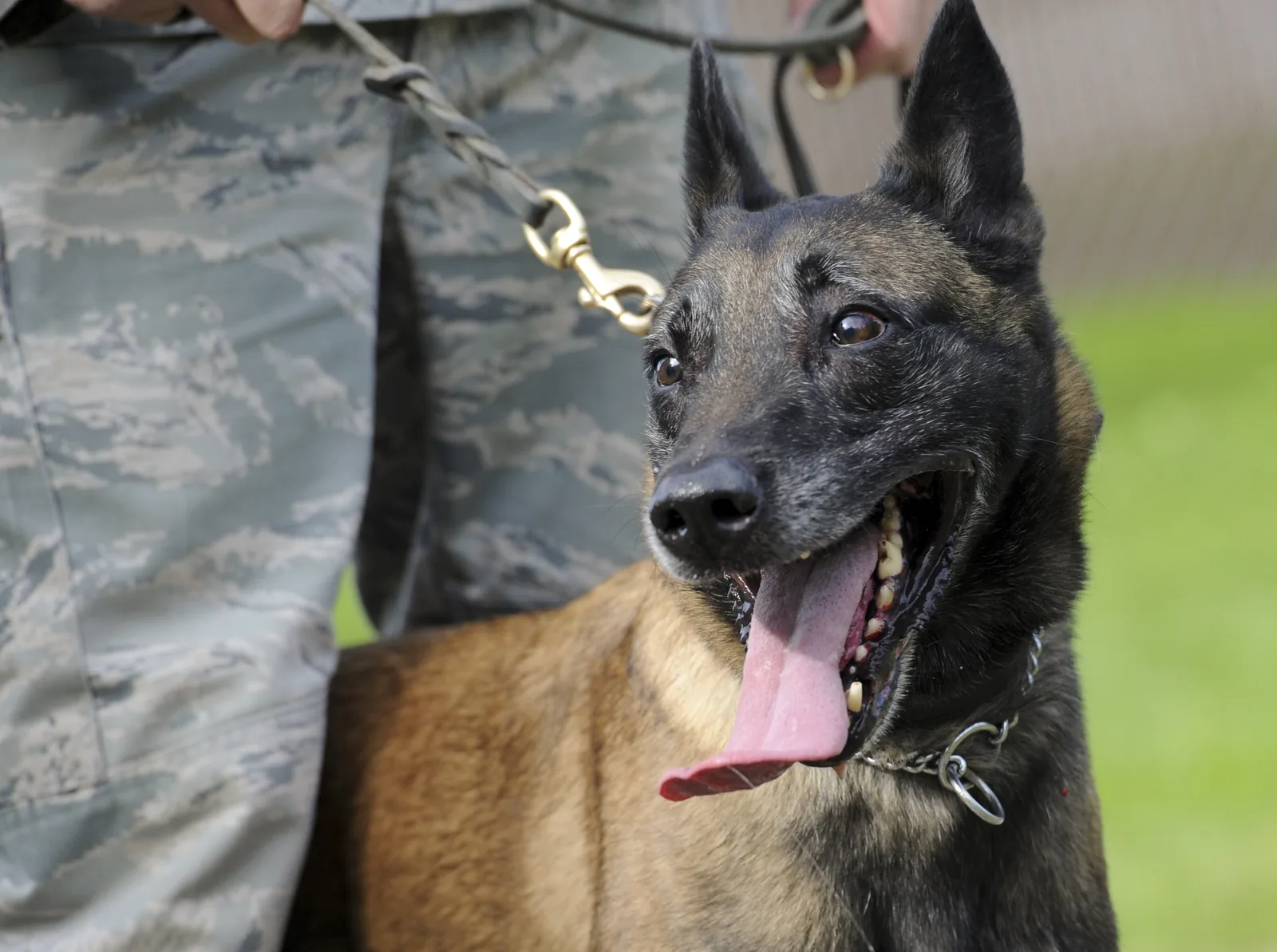
Belgian Malinois and Dutch Shepherds are close enough in appearance and working style that people often assume they are essentially the same dog in different colors. They share important traits—athleticism, intelligence, herding ancestry and strong working potential—but there are practical differences.
The Belgian Malinois is more common in high-level police, military and protection-sport contexts, and many available lines are selected for very intense work. The Dutch Shepherd remains less common and can come in multiple coat types, with brindle being a signature color pattern.
For an ordinary pet buyer, however, the biggest lesson is that both breeds can be far more demanding than their medium size suggests.
Quick comparison
| Trait | Belgian Malinois | Dutch Shepherd |
|---|---|---|
| Origin | Belgium | Netherlands |
| Traditional role | Herding/farm work | Herding/farm work |
| Typical coat | Short | Short, long or rough varieties exist |
| Common color impression | Fawn/mahogany with black overlay/mask | Brindle is characteristic |
| Drive | Frequently very high | Often high |
| Training need | Very high | Very high |
| Beginner suitability | Low | Low |
| Best fit | Skilled working/sport handler | Skilled active handler seeking a rarer versatile herder |
Working style
Both breeds can be fast, environmentally alert and highly responsive to training. Individual lines differ more than casual online comparisons acknowledge.
A Malinois from hard working lines may be dramatically more intense than a companion-oriented Dutch Shepherd. The reverse can also occur when comparing a moderate Malinois with a very high-drive Dutch Shepherd.
Do not choose between them based only on color.
Coat and appearance
Belgian Malinois have a short coat and a relatively consistent recognizable outline.
Dutch Shepherds are strongly associated with brindle coloring and can occur in short-, long- and rough-haired varieties. That coat variety is one of the clearest breed distinctions.
Neither breed should be selected because it looks like a “rare tactical German Shepherd.” Working ability and temperament come with real management requirements.
Exercise and mental work
These breeds were not designed for passive living.
A suitable home usually provides some combination of:
- frequent obedience;
- scent work;
- tracking;
- agility;
- structured retrieving;
- hiking/running when appropriate;
- advanced dog sport;
- job-like daily routines.
Simply throwing a ball until the dog is exhausted can build more physical endurance without teaching calm behavior. Include settling and impulse control in the training plan.
Family suitability
Some individuals can live very well in skilled family homes. The problem is not that the breeds are incapable of affection; it is that their speed, arousal and work drive can be too much for a household that expected a conventional pet.
If small children, frequent visitors or multiple pets are part of the home, discuss those exact conditions with the breeder or rescue before choosing an individual dog.
Protection work
Malinois visibility in police and military work has created unrealistic consumer demand. Seeing a trained professional dog online does not mean a random puppy will become a safe protection dog.
Formal protection work should involve experienced professionals, suitable genetics, excellent obedience and careful evaluation.
Which is easier?
Neither should be described as easy.
A specific Dutch Shepherd may be easier than a specific Malinois, but a high-drive Dutch Shepherd can be every bit as challenging. Choose line and individual before choosing label.
Bottom line
The Belgian Malinois is the more familiar high-performance working choice, while the Dutch Shepherd offers similar versatility in a rarer package with more coat variation. Both are best suited to owners who want training and structured activity to be a major part of everyday life.
Sources & further reading
Related reading
- German Shepherd vs Belgian Malinois: Which Working Dog Fits You?
- Military Working Dog Breeds: The Dogs Behind Detection, Patrol and Search Missions
- 25 Herding Dog Breeds Built to Work With People
- 7 Best Guard Dog Breeds for Personal Protection and Security