13 Best Dog Breeds for Hiking: Endurance, Trainability & Trail Fit
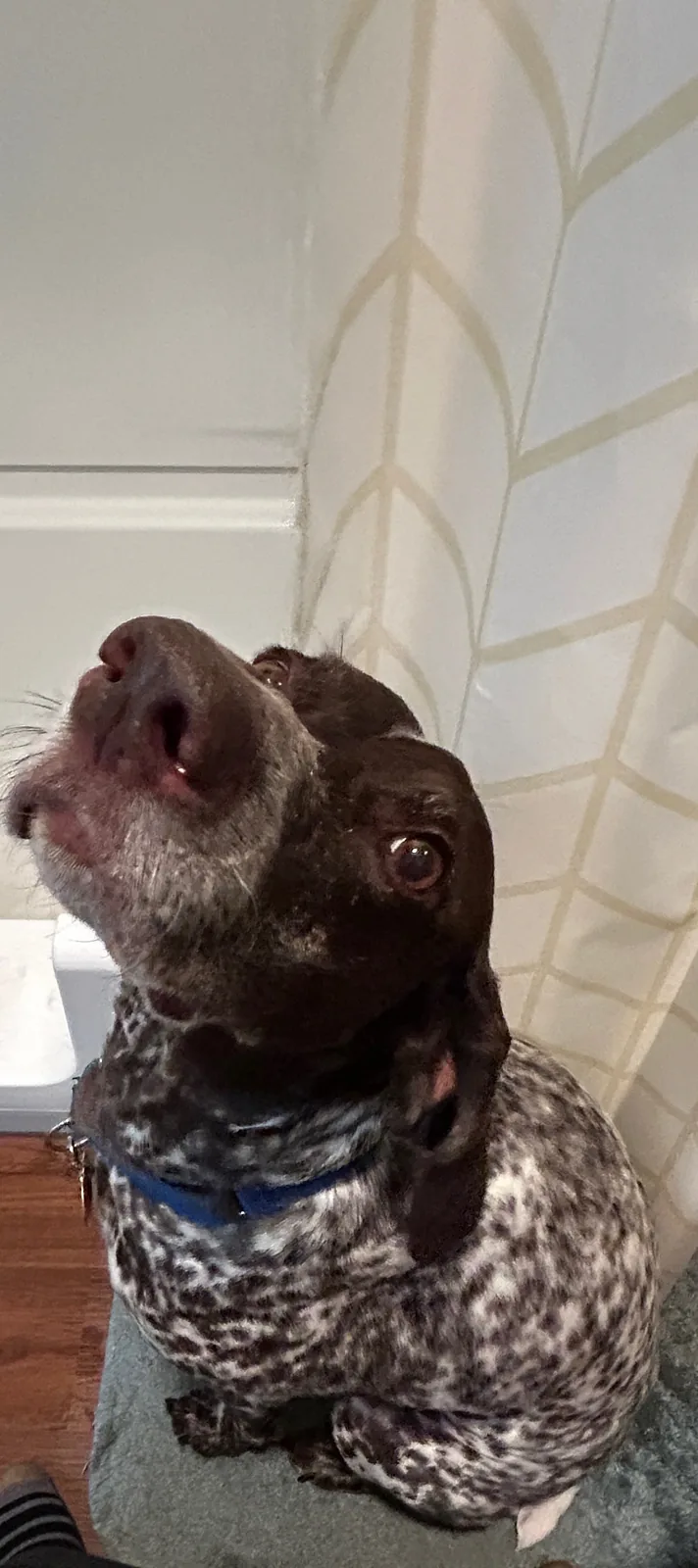
A good hiking dog is more than an energetic dog. Trail partners need enough physical capacity for the route, the ability to settle and follow cues around other hikers and wildlife, and conditioning that matches the distance, elevation and surface.
For many active households, the German Shorthaired Pointer, Australian Shepherd, Labrador Retriever, Vizsla, Siberian Husky and Border Collie are obvious candidates. But climate changes the answer. A northern breed built for cold-weather endurance is not automatically a good summer companion, while a short-coated athlete can still overheat if its drive exceeds its ability to cool.
The breeds below are strong starting points. Individual health, age, training and conditioning matter more than a breed name.
At a glance
| Breed | Endurance | Climate sweet spot | Trainability | Main trail consideration |
|---|---|---|---|---|
| German Shorthaired Pointer | Very high | Warm to moderate | High | Prey drive and heat |
| Siberian Husky | Very high | Cold/cool | Moderate | Heat and escape behavior |
| Australian Shepherd | High | Cool to moderate | High | Herding/motion sensitivity |
| Vizsla | Very high | Moderate/warm | High | Social dependence, cold |
| Australian Cattle Dog | High | Broad with precautions | High | Intensity |
| Border Collie | Very high | Cool to moderate | Very high | Over-arousal/motion fixation |
| Labrador Retriever | High | Broad with precautions | High | Heat and weight |
| Golden Retriever | High | Cool to moderate | High | Coat and heat |
| Weimaraner | Very high | Moderate/warm | High | Prey drive, high energy |
| Rhodesian Ridgeback | High | Warm | Moderate | Independence |
| Standard Poodle | High | Broad | Very high | Grooming |
| German Shepherd Dog | High | Cool to moderate | High | Orthopedic health |
| Parson Russell Terrier | High for size | Moderate | High | Prey drive |
How we chose these breeds
We prioritized athletic breeds with established sporting or working backgrounds, trainability, and enough physical capacity for sustained outdoor activity. We also considered coat/climate, size, prey drive and whether the breed is realistically manageable around other trail users.
This is not a promise that every dog in the breed can complete a particular distance. Before strenuous hiking—especially with a dog that is sedentary, older, overweight or medically affected—discuss the plan with a veterinarian and build conditioning gradually.
1. German Shorthaired Pointer — best for serious all-day activity
The German Shorthaired Pointer is one of the most natural matches for an active hiking household. GSPs were developed as versatile field dogs and commonly combine speed, stamina, scent interest and strong engagement with their handler.
A mature, conditioned GSP can be an excellent trail companion, but enthusiasm creates management responsibilities. Recall should be trained seriously because wildlife can be extremely compelling. On leash, teach loose-leash behavior before adolescent strength and speed turn pulling into a habit.
The short coat is convenient after muddy walks, but it does not make the dog heat-proof. In hot or humid conditions, shorten routes, carry water, choose cooler hours and watch recovery closely.
Best for: runners, hikers, hunters and people who want daily training to be part of life.
Watch-outs: prey drive, very high exercise needs, boredom and overheating.
2. Siberian Husky — cold-weather endurance specialist
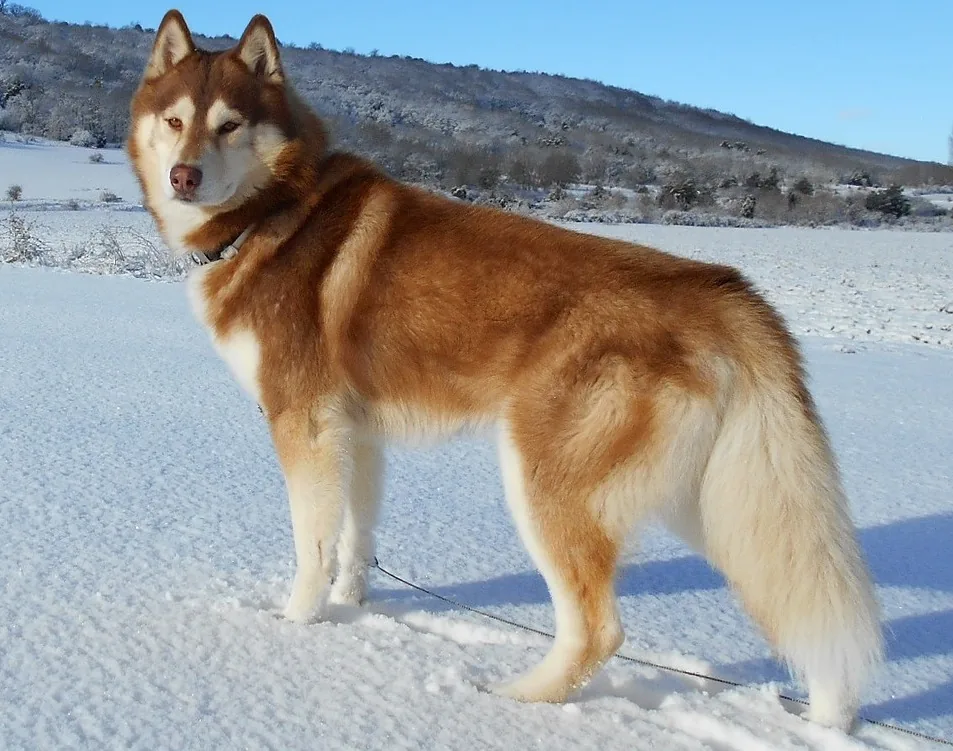
Siberian Huskies were developed for efficient travel in cold conditions. Their endurance and economical movement make them famous trail dogs, particularly in cool or winter environments.
That history does not make them universally easy hikers. Huskies can be independent, may have strong prey drive and are not the breed to assume will remain nearby simply because the scenery is beautiful. Secure leash systems and carefully trained recall are important.
Their dense coat demands conservative decisions in warm weather. A summer route that feels comfortable to a human can still be too much for a northern breed.
Best for: cool-weather hiking and active owners comfortable with independent northern dogs.
Watch-outs: heat, escape behavior, prey drive and off-leash reliability.
3. Australian Shepherd — agile and highly responsive
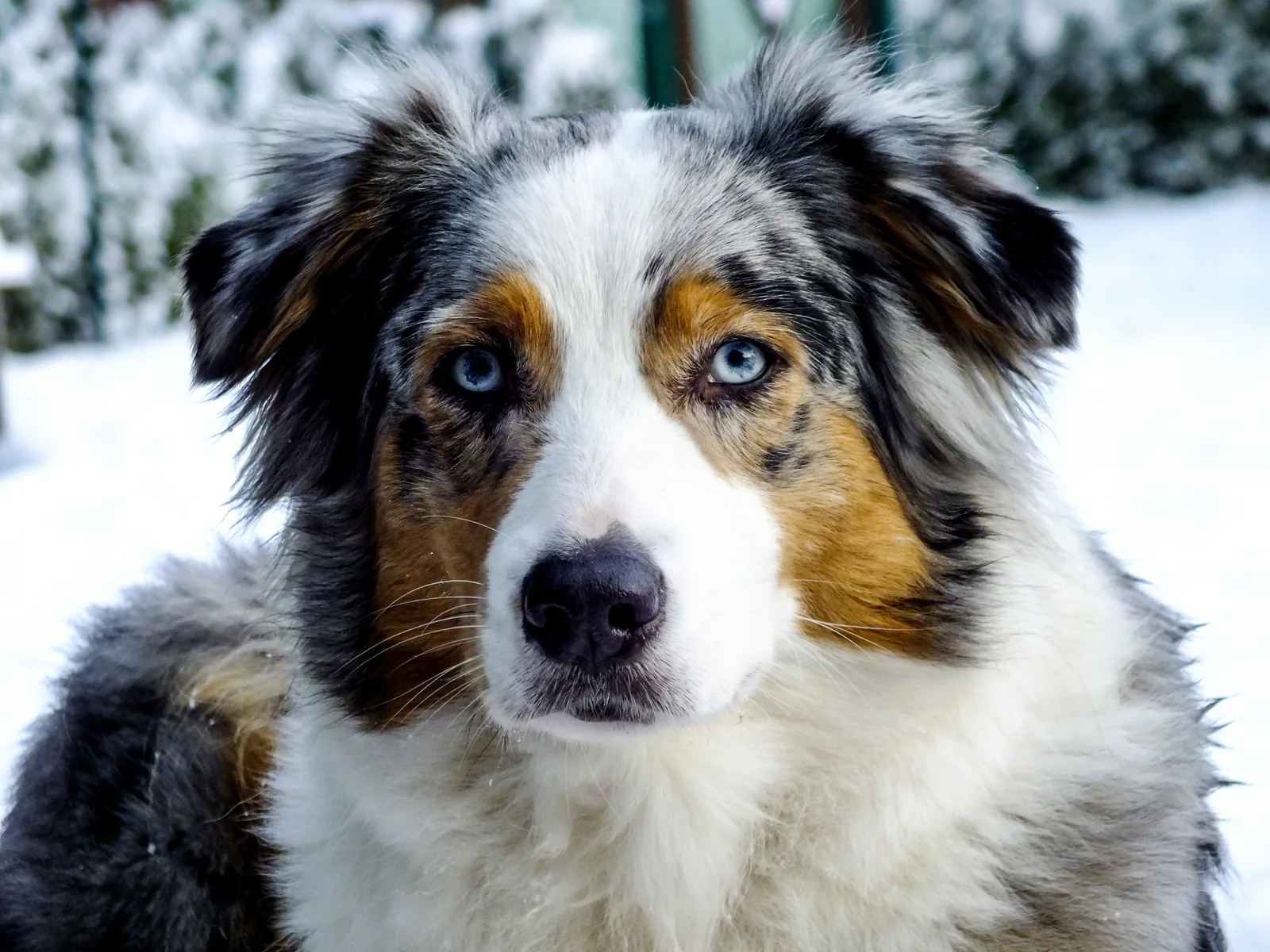
Australian Shepherds bring agility, handler focus and stamina to the trail. They often enjoy technical movement, scrambling and turning outdoor time into a cooperative activity.
The same working brain that makes an Aussie impressive outside can make the breed demanding at home. A hike does not replace all training and mental work. Teach a calm settle, neutral behavior around cyclists and dogs, and reliable passing manners.
The coat collects seeds, burrs and mud, so check the dog thoroughly after brushy routes.
4. Vizsla — athletic and people-oriented
Vizslas are lean sporting dogs with the movement and stamina many hikers want. They often work closely with people and can suit owners who prefer a more handler-oriented style than many hounds or northern breeds.
The short coat provides limited protection in cold, thorns and rough vegetation. Build distance gradually and use weather protection when the individual needs it.
5. Australian Cattle Dog — compact toughness
Australian Cattle Dogs are sturdy working dogs developed to move livestock in difficult conditions. Their compact size is practical on the trail while their physical and mental intensity can support long days.
They are not simply convenient little hikers. Many are strong-willed, alert and inclined to control movement. Early training around strangers, dogs and runners matters.
6. Border Collie — exceptional trainability
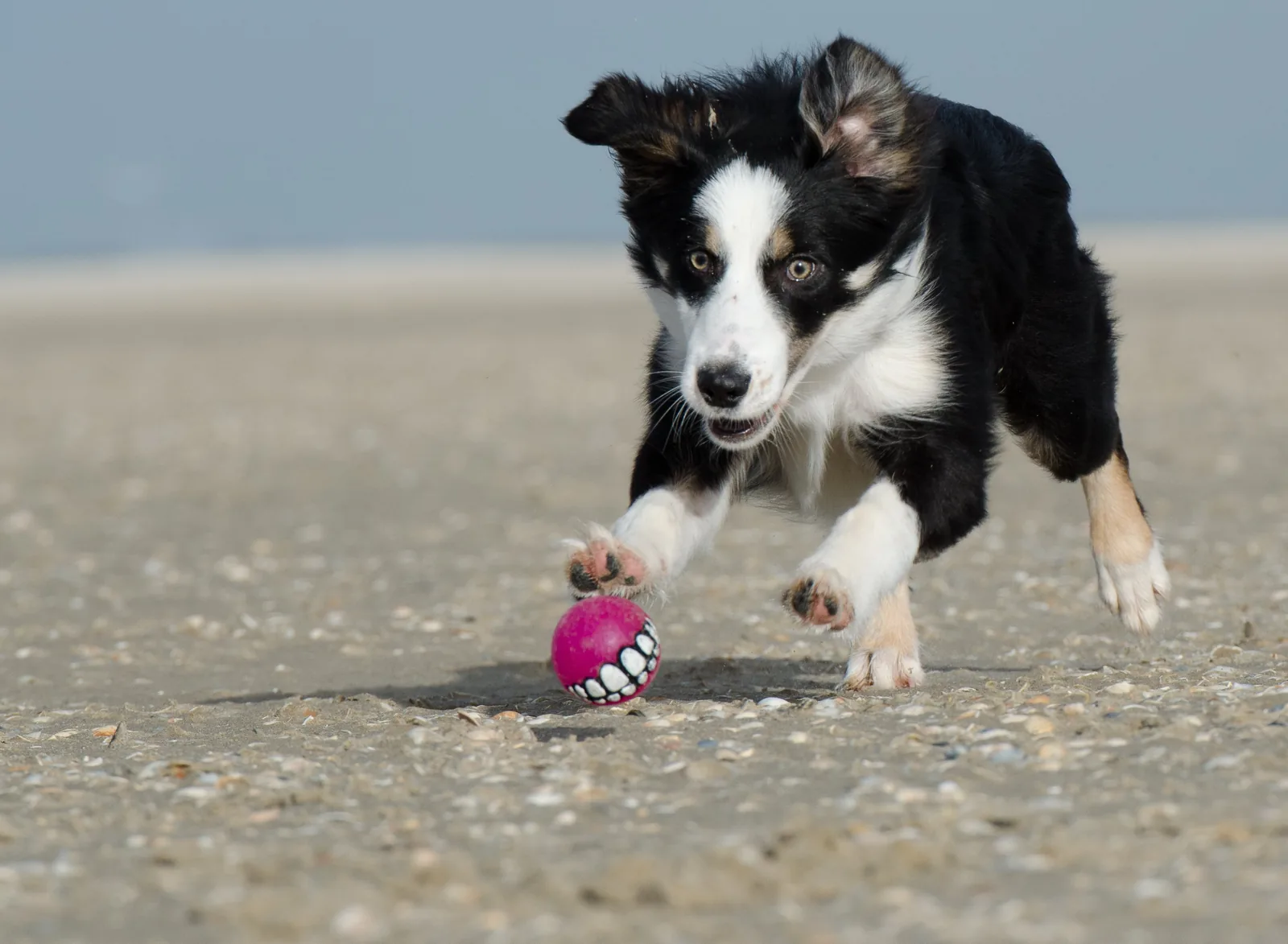
Few breeds match the Border Collie's combination of athleticism and responsiveness. A conditioned adult can excel at hiking, trail running and outdoor training.
However, extreme trainability does not guarantee an effortless pet. Border Collies can be highly sensitive to movement and may fixate on bicycles, wildlife or other dogs if those habits are rehearsed. Teach calm observation and disengagement, not only high-energy skills.
7. Labrador Retriever — sociable all-rounder
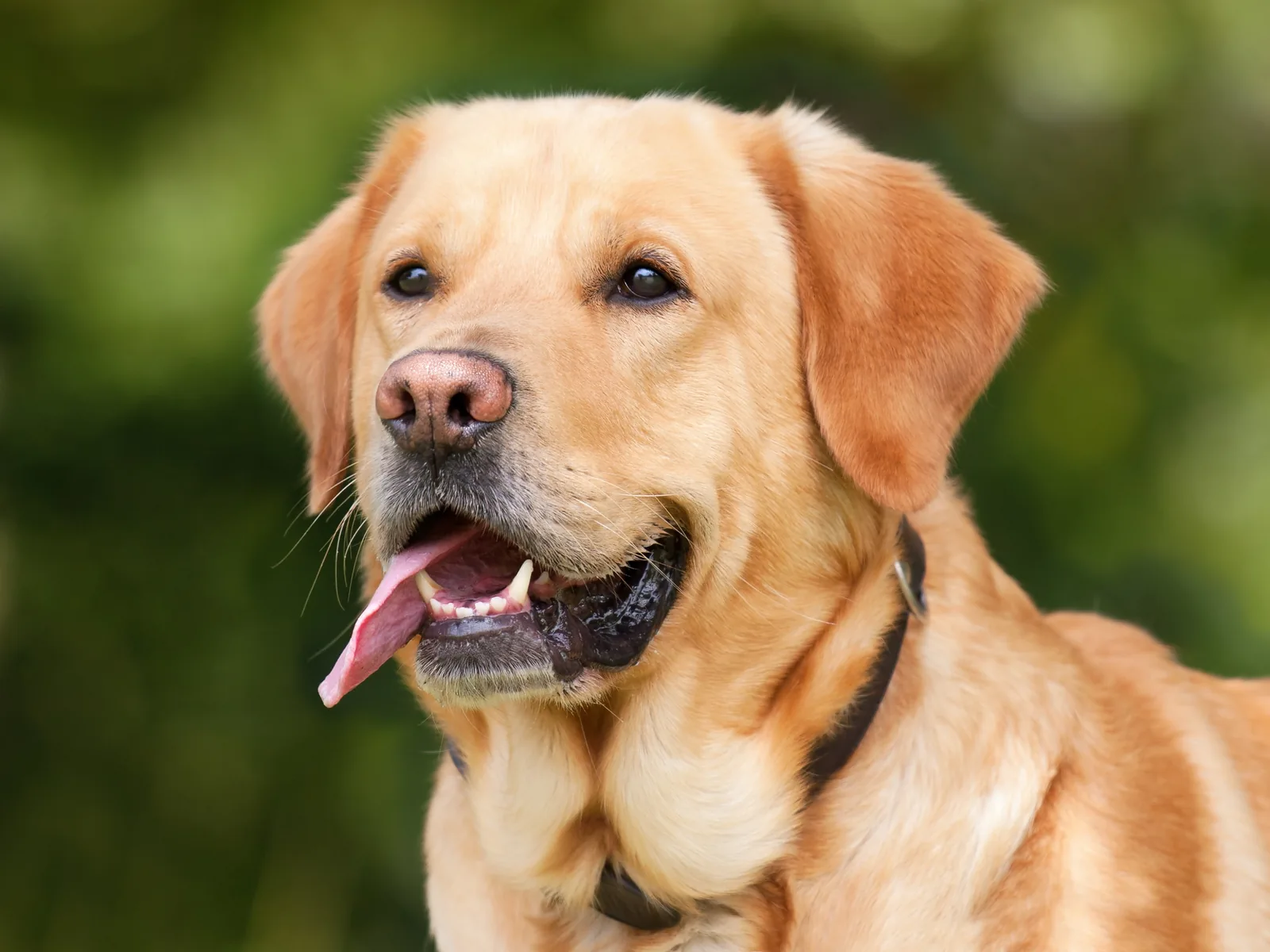
Labradors are strong all-round hiking companions for people who want an outgoing sporting dog rather than an intense specialist. Many enjoy water, retrieving and varied terrain.
Young Labs can overdo activity because enthusiasm outpaces conditioning. Keep body weight lean, build duration gradually and take extra care in heat.
8. Golden Retriever — cooperative outdoor companion
Golden Retrievers can be excellent hiking dogs when kept fit. They generally enjoy working with people and adapt well to walking, retrieving, swimming and training.
Their feathered coat requires more post-hike work. Check for burrs, ticks and mats around ears, armpits, legs and tail. Warm-weather routes deserve conservative pacing.
9. Weimaraner — long-striding sporting athlete
Weimaraners were developed for hunting work and commonly have the physical capacity for serious hiking. They are fast, energetic and often strongly bonded to their people.
The breed can become difficult when exercise is provided without training or boundaries. Work on recall, leash behavior and calm downtime. A tired dog is not automatically a trained dog.
10. Rhodesian Ridgeback — powerful warm-climate athlete
Rhodesian Ridgebacks are athletic, short-coated dogs with an independent streak. They can suit long walks and hikes, especially for owners who appreciate a less continuously handler-focused dog.
Independence makes recall and wildlife management particularly important. Their size also means conditioning and joint health deserve attention.
11. Standard Poodle — underrated hiking dog
The Standard Poodle is an athletic water retriever hidden beneath a grooming stereotype. Well-conditioned Standards can hike, swim and participate in many sports.
The coat requires planning. A shorter practical clip can make trail maintenance easier, but regular grooming is still necessary. Check feet and coat after mud, seeds and burrs.
12. German Shepherd Dog — versatile and capable
A healthy, well-built German Shepherd can be a strong hiking companion with good endurance and trainability. The breed's working background can make trail manners excellent when trained.
Orthopedic health is especially relevant. Do not turn long-distance exercise into a test of toughness for an immature or poorly conditioned dog.
13. Parson Russell Terrier — small body, big engine
For hikers who want a smaller dog, the Parson Russell Terrier offers substantial athletic ability in a compact package. These terriers are not low-energy lapdogs; they were developed for work and often have remarkable stamina.
Their prey drive can make wildlife management challenging. Small dogs also need route choices that account for large rocks, deep snow/water and predators.
Condition the dog, not just the route
A dog that normally walks 30 minutes should not suddenly complete a six-hour mountain hike. Increase duration and elevation gradually. Pay attention to how the dog moves later that evening and the next morning; stiffness or reluctance to move is useful feedback.
Puppies require special judgment because bones and joints are still developing. Avoid turning growth into a mileage challenge. A veterinarian can help determine when a particular dog is ready for sustained structured exercise.
What to carry for your dog
For longer routes, plan for the dog as carefully as for yourself:
- enough water for the route plus a margin;
- collapsible bowl;
- leash and backup attachment in remote locations;
- identification;
- waste bags;
- basic first-aid supplies;
- tick-removal tool in tick areas;
- weather-appropriate layer for thin-coated dogs;
- paw protection when terrain or surface temperature calls for it.
Dogs carrying packs need careful conditioning and a well-fitted pack. There is no universal pack-weight percentage that works as a medical rule.
Trail etiquette and wildlife
Keep the dog under control even where off-leash use is legal. A friendly dog charging another hiker, horse or leashed dog is still a problem. Practice a close pass, recall, leave-it and a calm wait.
Wildlife changes the risk. Snakes, porcupines, livestock, deer and other animals can turn an ordinary chase into an emergency. In unfamiliar country, a leash or long line is often the better choice.
Heat, cold and paw safety
No athletic breed is immune to heat illness. Schedule warm-weather hikes for cooler hours, reduce pace and distance, offer water, and watch for excessive panting, weakness, disorientation or inability to recover.
In cold environments, thin-coated breeds can lose heat quickly, especially when wet or stationary. In any climate, check paw pads during and after the hike.
FAQ
What is the best hiking dog overall?
There is no universal winner. For very active owners, the German Shorthaired Pointer, Vizsla, Australian Shepherd, Labrador and Border Collie are strong candidates. Climate and prey drive may change the order.
Can small dogs hike?
Yes. Healthy, conditioned small dogs can be excellent hikers, but terrain, weather, snow/water depth and predator exposure matter.
Should my dog hike off leash?
Only where legal and where the dog has genuinely reliable control around wildlife, dogs, people and livestock. A leash or long line is the safer default in many locations.
How old should a dog be before long hikes?
There is no single age that fits every breed and route. Growth rate, orthopedic health, terrain and intensity differ. Ask a veterinarian about structured endurance work for the individual dog.
Sources & further reading
- AKC — Hiking With Dogs: Trail Partners
- AKC — Hiking With Dogs: Trail Safety
- AKC — How to Train Your Dog to Hike
- AKC — Overheating in Dogs