Doberman vs Rottweiler: Which Guardian Breed Is Right for You?
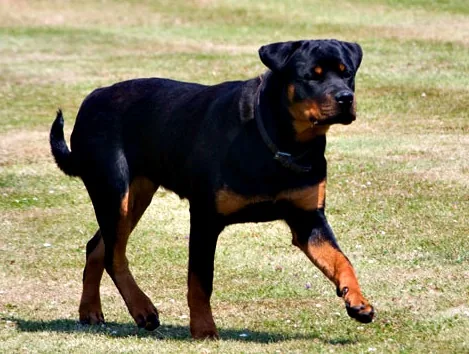
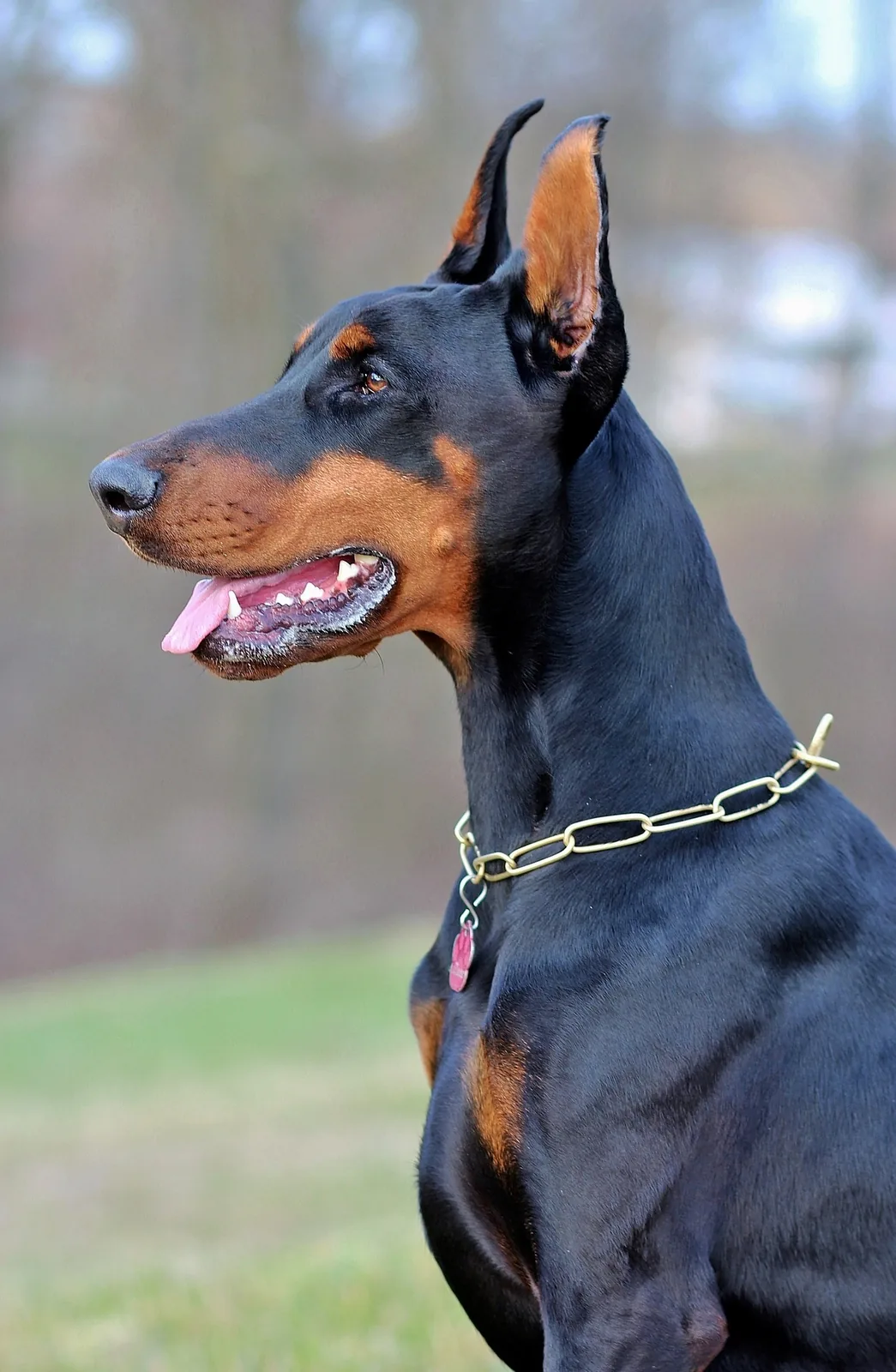
Doberman Pinschers and Rottweilers are both intelligent, physically capable working breeds with strong reputations as guardians. The biggest day-to-day difference is not simply size: it is style.
The Doberman is typically lighter, quicker and more continuously athletic, often thriving with frequent interaction and movement. The Rottweiler is heavier and more compact, often presenting a steadier physical style while still requiring serious exercise and training.
For either breed, stable temperament and responsible breeding are more important than choosing the “most protective” label.
Quick comparison
| Trait | Doberman Pinscher | Rottweiler |
|---|---|---|
| Build | Lean, athletic, fast | Heavy, compact, powerful |
| Energy | High | Moderate–high |
| Trainability | Very high | High |
| Guarding | High | High |
| Grooming | Very simple | Simple |
| Cold tolerance | Limited by short coat | Better than Doberman, though not a cold-weather specialty breed |
| Beginner suitability | Low–moderate with preparation | Low |
| Best fit | Active training-focused owner | Structured owner comfortable with heavy power |
Temperament
Dobermans were deliberately developed as personal guardians and have a reputation for close attachment to their people. Many want to be involved in everything the household does.
Rottweilers also bond strongly but often feel more physically deliberate. A stable Rottweiler should not be frantic or needlessly suspicious; confidence is different from indiscriminate hostility.
Both breeds can become difficult when poorly socialized or bred for appearance/edge rather than temperament.
Training
Dobermans often respond quickly and visibly to training. They can be rewarding for owners who like obedience, precision and frequent interaction.
Rottweilers also learn well but their body mass makes early leash manners especially important. A dog that weighs a great deal should not first learn self-control after adolescence.
Both benefit from calm, reward-based structure and clear household rules.
Exercise
Dobermans usually suit highly active owners. Running, hiking, obedience, scent work and sport can all provide useful outlets once the dog is mature and healthy.
Rottweilers need real daily exercise too, but some individuals may be content with a little less continuous speed work and more structured walking, training and strength-based activity.
Family life
Both can live successfully with families, but supervision is essential around young children. The Doberman's speed and intensity can overwhelm small children; the Rottweiler's mass can do the same in a different way.
A dog should be selected to live safely with the family first. Protection is secondary.
Visitors
Teach a repeatable visitor routine before you need it.
A useful pattern can include:
- dog goes to a designated place;
- door opens only when the dog is under control;
- guest enters without forced interaction;
- dog is released only when appropriate;
- gates/crates/leashes are used when needed.
Do not expect guests to manage a guardian breed for you.
Grooming and climate
Both have short coats and relatively easy grooming.
Dobermans have little insulation compared with many double-coated working breeds, so cold-weather comfort may require more management. They can also overheat during heavy activity in hot conditions, as any dog can.
Rottweilers have a denser coat but still need heat awareness during exercise.
Health screening
Both breeds have important inherited health concerns, so breeder health testing should be documented and current. Prospective Doberman owners should pay particular attention to current breed-club recommendations regarding cardiac screening; prospective Rottweiler owners should verify orthopedic and other breed-specific screening.
Use current parent-club and health-registry guidance rather than relying on a seller's verbal assurance.
Which is better for home protection?
A stable, well-trained individual of either breed can provide a significant deterrent. The Doberman's athletic style may appeal to someone seeking a fast, highly responsive companion. The Rottweiler's physical mass may appeal to someone wanting a heavier guardian.
But a household pet should not be chosen based on intimidation alone.
Bottom line
Choose a Doberman if you want an athletic, highly interactive dog and plan to make training and activity central to daily life. Choose a Rottweiler if you prefer a heavier, powerful working dog and are confident managing strength and structure. In both cases, stable genetics, socialization and owner competence are more important than breed mythology.
Sources & further reading
Related reading
- Doberman vs German Shepherd: Which Is Better for You?
- German Shepherd vs Rottweiler: Which Fits Your Life Better?
- Rottweiler vs Cane Corso: Which Guardian Breed Fits You Better?
- 7 Best Guard Dog Breeds for Personal Protection and Security
- 14 Fastest Dog Breeds — and What Makes Them So Quick